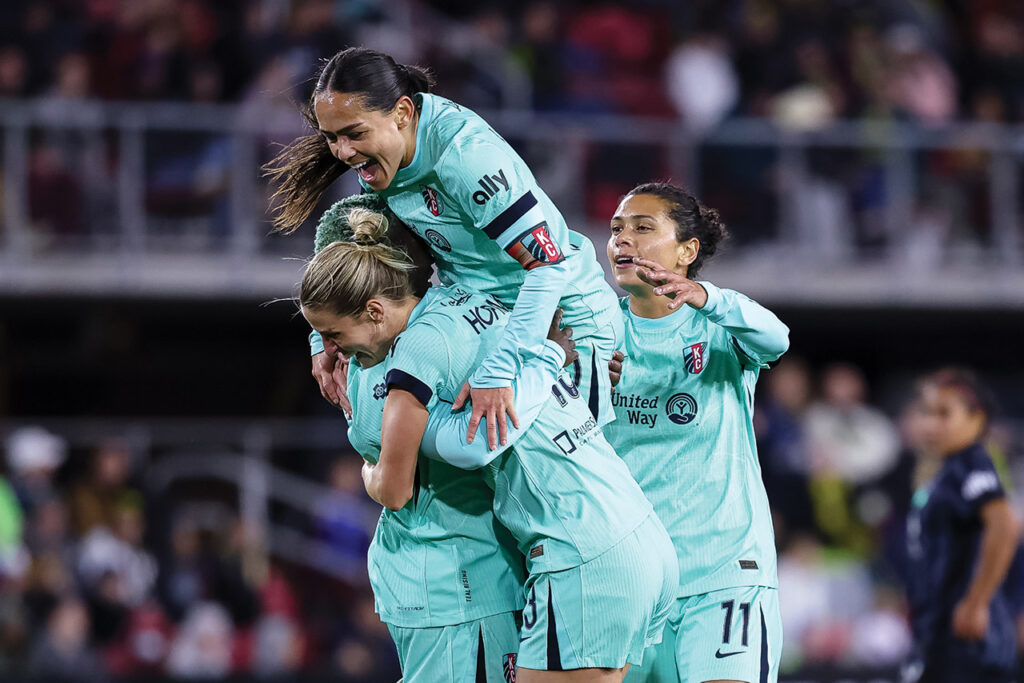
Midfielder, captain, connector — Lo’eau LaBonta brings passion to the pitch and her life in Kansas City.
By Michelle Bacon | Photos by Simon Kuo
Whether it’s her love of fostering animals and spending quality time with her dog Amigo, eating her way through her Westside Kansas City neighborhood or enjoying a game of padel, Lo’eau LaBonta never stops moving.
“I thrive off chaos,” she quips.
It’s that endless vitality that has made her a pillar of the National Women’s Soccer League-leading KC Current team. A starting midfielder, Lo’eau’s decade of experience has set her up for athletic excellence both on and off the field. But even as the team captain and one of the sport’s most public figures — most notably going viral for her Celly Dance in 2022 — she’s quick to attribute the Teal Rising success to team players, leadership and the city that has invested in it.
“We are the standard right now,” she says of the team, which leads the NWSL with its state-of-the-art training facilities, having the first stadium in the world purpose-built for professional women’s sports and most importantly, producing a viable collective of competitors.
Though soccer was always her passion, the payoff was anything but immediate.
“Sports were life,” Lo’eau says of her upbringing in Rancho Cucamonga, CA. Raised mainly by her father, Mark, she and her younger brother, Koa, were entrenched in different sports as kids. She was most drawn to the ever-changing, always immersive game of soccer.
“It’s 45 minutes straight and another 45 after that, but there aren’t many breaks — you’re constantly going,” she says. “It’s a team sport — everything about it, I’ve always loved and have been really passionate about.”
As a student at Stanford University, Lo’eau continued playing but prioritized her education as the end game, pursuing an engineering degree. In that time, she helped the Stanford Cardinals win the 2011 national championship, and a year later, the National Women’s Soccer League was formed.
“I thought, let’s just try this professional soccer career. I’ve been playing my whole life — why not continue?” she recalls. But the path forward was slow, and challenges revealed themselves early on. “I was a semifinalist for the Herman Trophy in college. I was projected to be drafted in the top 10 and I ended up going second to last, so that was already the first big setback.”
From there, she inked a professional contract with Sky Blue FC (now Gotham FC) in 2015, for a modest $7,500 salary. Struggling with the league’s newness and lack of organization, the rookie was cut from the team. Lo’eau returned to Stanford for that engineering degree, and a year later was called to preseason tryouts with FC Kansas City. “And the rest was history,” she says, but not without a few extra barriers.
By then, in 2016, the league’s minimum salary was $10,000 per season, a mere pittance compared to the men’s Major League Soccer team, which guaranteed its reserve players a minimum of $51,500. “Just trying to be a pro athlete at that pay is insane, almost impossible, so I tried to figure out the other things to do to get by,” Lo’eau recalls. “I was having oatmeal for breakfast, lunch, and it was probably an appetizer for my dinner.”
It was also around this time that her now husband Roger Espinoza — at the time a Sporting KC midfielder and now an assistant coach — began to endear her to Kansas City.
“Being from California, I have the beach, the mountains,” she says. The rolling Midwestern plains were a change of pace. “[Roger] had lived in KC for almost 10 years, and he was the one who helped me look at KC from a different lens and actually embrace it for what it is.”
Just as she began finding her footing in the city of fountains, she was sent to the Utah Royals in 2018. Under the team’s steadier foundation and clearer direction at the time, Lo’eau’s career ascended. She became a starter, began doubling her number of goals and assists, and rose among the ranks of the NWSL as a true utility player –– quick to support and defend her teammates all over the field.
When 2020 upended the world with the pandemic — and then shattered her own with the loss of her brother, Koa — Lo’eau turned to what she knew best: structure, movement and care. Fostering animals gave her purpose beyond the field; soccer kept her grounded.
“As pro athletes, you’re just wired to always show up and be on time,” she says. “[Soccer was] the only thing that really kept me healthy and eating. Having that structure helped me maintain my sanity after losing my only sibling.”
Toward the end of 2020, the Utah Royals sold and transferred back to Kansas City, returning Lo’eau to the Midwest with her fellow teammates. At the time, Sporting KC was the established men’s soccer team, but professional women’s sports were still largely underground. After all, Lo’eau remembers being a part of FC Kansas City when the team won back-to-back NWSL championships (2014-2015), to little local fanfare.
The formation of KC Current took some time, but Lo’eau was at the forefront for its rapid evolution. “We didn’t have an identity yet, we were playing on a baseball field,” she remembers of the early days. “We were trying to progress the game but were brought back to the reality that it’s just not there yet.”
Five years on, the Current is one of Kansas City’s cornerstones — from its historical significance for women’s professional sports to the community ethos of its team. Lo’eau, who originated the infectious “KC BABY!” chant in a team huddle, has played a significant role in the accelerated development. It’s a role she takes seriously.
As she reflects on the team’s roots, she looks at her early years as a rookie in a fledgling new league. “Being here at the beginning compared to what it is now — there was no culture, no standards,” she says. “That’s what we fought for, so that the younger generation had the best facilities and equality.” She credits co-owners Chris and Angie Long for spearheading the Current’s training facility and stadium, along with head coach Vlatko Andonovski, for rebuilding the team on the field and charging her to set the tone off the field.
A natural-born connector, Lo’eau looked beyond the team’s early setbacks and cultivated unity, starting specifically in the locker room.
“When I get to a place, I’m like, what does the locker room look like? Are we all spread out? Is it tight-knit?” she says. “That is where the true conversations happen and you see the true sides, personalities and character of your teammates.”
With this particular team, she praised each player for setting the same standard of good-natured competition and authenticity. “It was the easiest job for me, because not only were these good quality players, but they were also genuine human beings,” Lo’eau says. “It’s everyone picking each other up and pushing them over the line, and there’s no organization if your players don’t believe in each other and put a product out there on the field.”
The city itself has followed in step with fervor for the 2025 playoff-seeded team, routinely packing out the 11,500-capacity CPKC Stadium since its 2024 opening. That spirit of community is something Lo’eau recognized early on in her time in Kansas City. She and Roger have since bought a home in the Westside.
“I love being in new spaces and meeting new people — I feed off the energy of others. You can find whatever you want in these different communities — that’s what I’ve enjoyed the most,” Lo’eau says of KC, often emphasizing her personality as a social butterfly. “Especially when they find out you’re with the Current, they immediately think it’s the coolest thing because of what we’re doing in the city.”
KC Options Sponsor
The veteran midfielder has firsthand experience inside the evolving perspective on women’s sports within the city. “We’re in a pretty unique situation in KC. They embrace their sports teams,” she says, pointing to the Chiefs, the Royals and Sporting KC. “When [Roger and I] would go around town, it always used to be like, ‘Roger, can we get a photo?’, and now it’s actually ‘LaBonta! Lo’eau!’, and he’s right there with me, so I’ve seen the shift. I’ve seen the city now supporting us, and I’ve also been at the beginning, where our name was never discussed at all. So I think it’s the coolest, proudest moment for me.”
As the “cool big sister” of the KC Current, Lo’eau is a team leader in every sense of the word. She contributed to their record-breaking 2024 season, where they scored the most goals in a single season and established the longest team unbeaten streak at 17 games. In May 2025, she made history as the oldest player to debut on the U.S. Women’s National Team, and only the second player of Hawaiian heritage.
There’s no stopping Lo’eau off the field, either. With her dog Amigo, Lo’eau has teamed up with Purina to showcase Kansas City as a pet-friendly destination. She and Roger are involved with organizations like Big Brothers Big Sisters and have started offering soccer training and clinics on the side. Most recently, they also had a hand in opening the first padel center in Kansas — La Casa del Padel.
“Padel is the fastest-growing sport in the world, so we wanted to bring it to KC. It’s a true athlete’s sport. It’s so fun, it’s so quick. The ball is always moving,” she says of the sport, somewhat of a mix between tennis and squash, a more physically demanding contrast to pickleball. “Padel is known around the world, so whoever’s coming here to play the World Cup, they won’t have just soccer games. They can go play padel like they would at home.”
As for the future of Lo’eau and her beloved Kansas City team? According to her, there’s no expiration date in sight. “I don’t ever want to stop playing, [the Current] will continue to grow and I’m just seeing it develop in front of me.” Her legacy, as she sees it — the infamous Celly Dance — is characteristic of the traits that make her the leader she’s become.
“If that’s my legacy, I’m more than happy with it because it is my true personality on the field; it’s exactly who I am,” she says. “At the end of the day, I don’t score that many goals, but I celebrate the little moments, the big moments. I always try to have a good time and celebrate my team.”
She continues to be in awe of the Current’s growth and its stature within the city, the sport and the culture that surrounds it.
“The stadium is always packed, it’s always loud, it’s teal and red everywhere. It’s such an advantage to play there and be that home team, and I think everyone’s looking at us now,” she says, believing that it sets a standard for other teams in the league as well as seeing how it will impact those coming after them.
“I can probably speak for every player on our team… that’s just the role we have in life — we want to inspire off the field and be in the community,” Lo’eau says. “Anybody on this team will immediately put up their hand to volunteer because that’s the human beings we have. They make you better on the field, but also off.”
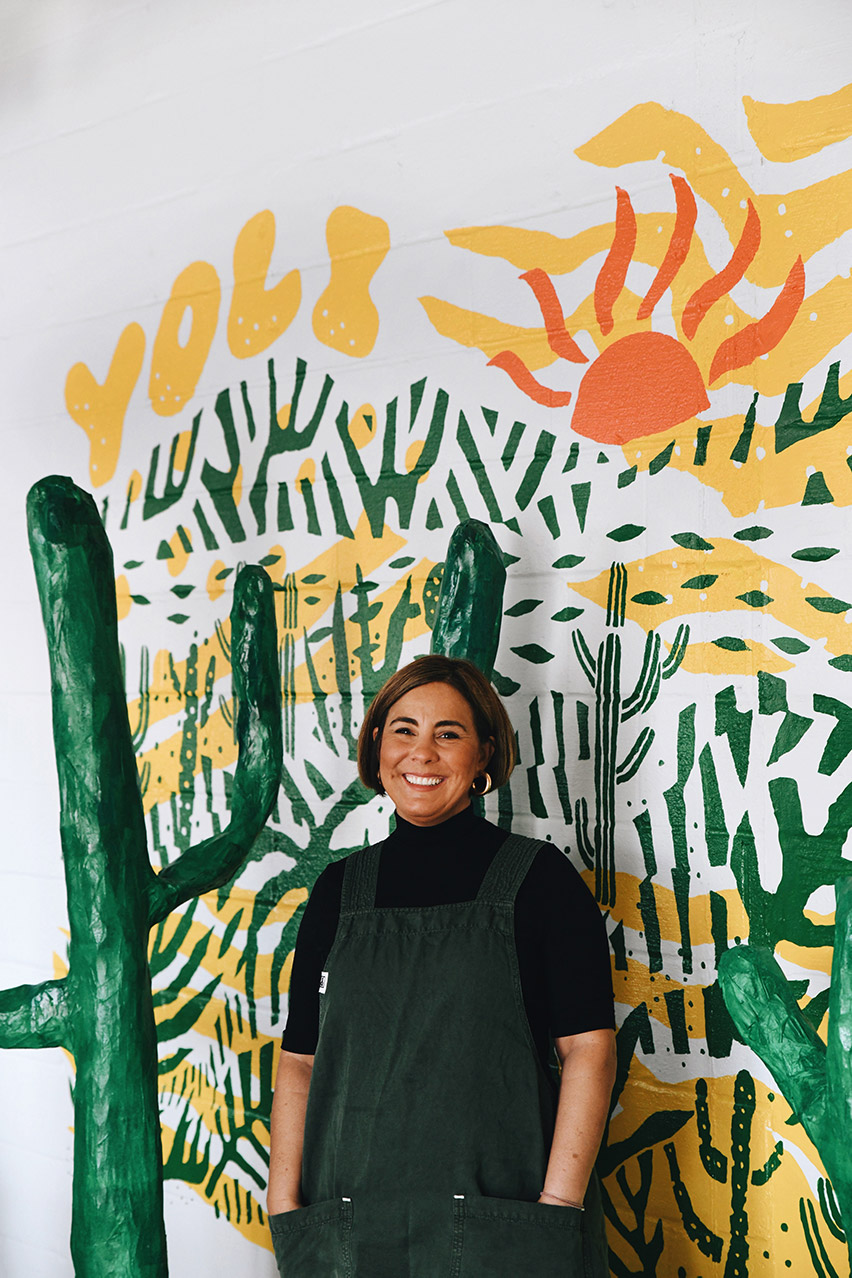
How a lifetime of cultural influence propelled Marissa Gencarelli and Yoli Tortilleria onto the world’s biggest stage.
By Weston Owen | Photos by Paul Andrews
As the lights dimmed and the nominees for Outstanding Bakery reverberated throughout the Lyric Opera of Chicago, Marissa Gencarelli turned to her husband Mark and both exchanged soft smiles. They understood how difficult it was to win a James Beard Award and it was an honor to have even made it this far.
By that point in the ceremony, Marissa had already loosened the straps on her high heels. After all, she probably wouldn’t be making the long walk to accept the prestigious award. There was just no way the winners would be seated that far back in the auditorium, she thought. But it was fine. Alongside so many great nominees — some of the best bakeries in the nation — being mentioned in the same breath was enough for her. The crowd cheered as the anticipation grew. Then silence, deafening.
“And the winner is… Yoli Tortilleria!”
Disbelief and excitement overcame. Heel straps were tightened hastily as Marissa stood and began that long, unexpected walk to the stage. In many ways, it was representative of the long, unconventional journey she’d made to arrive on that spring afternoon in Chicago.
Born in Sonora, Mexico to a local lawyer and a teacher from California, Marissa’s upbringing was woven with multi-cultural experiences. From a young age, and as far back as she can remember, her parents instilled the importance of her heritage and the celebration of her culture in all that she did. Every summer, her family would load up their car and travel across Mexico, making frequent stops along the way to experience the rich history and beauty of Mexican culture — including its local flavors and cuisine.
“Some of my earliest and fondest memories completely transformed how I perceived Mexican culture and food,” Marissa smiled. “For a young girl, those long trips on unpaved roads could be exhausting, but seeing the countryside and experiencing the culture has had the biggest influence on my life.”
Looking back, those road trips meant the world to Marissa, not only because they offered an authentic, invaluable glimpse into a country she cherished but because they were spent alongside the family she loved. So, once she began a family of her own, it was of the utmost importance to preserve that tradition.
After meeting Mark abroad in Italy, they had their first child, Santiago, and moved to Mark’s hometown of Kansas City. They began traveling to Mexico to help pass that cultural love and understanding along to their son. But something interesting happened during those frequent trips. That adoration turned into a desire to bring authentic Mexican cuisine back home.
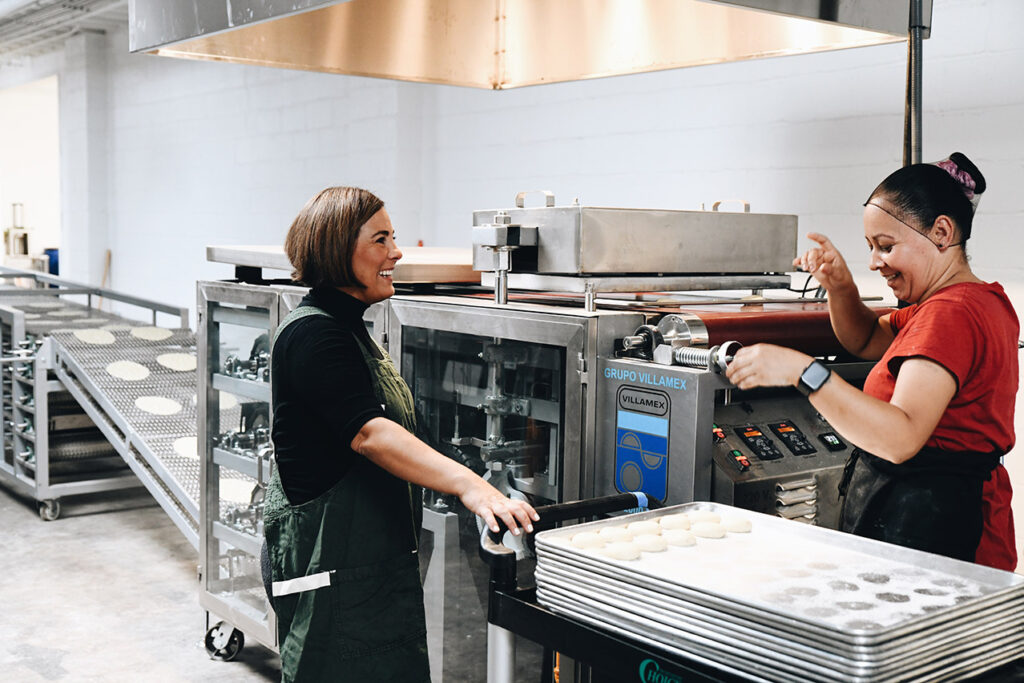
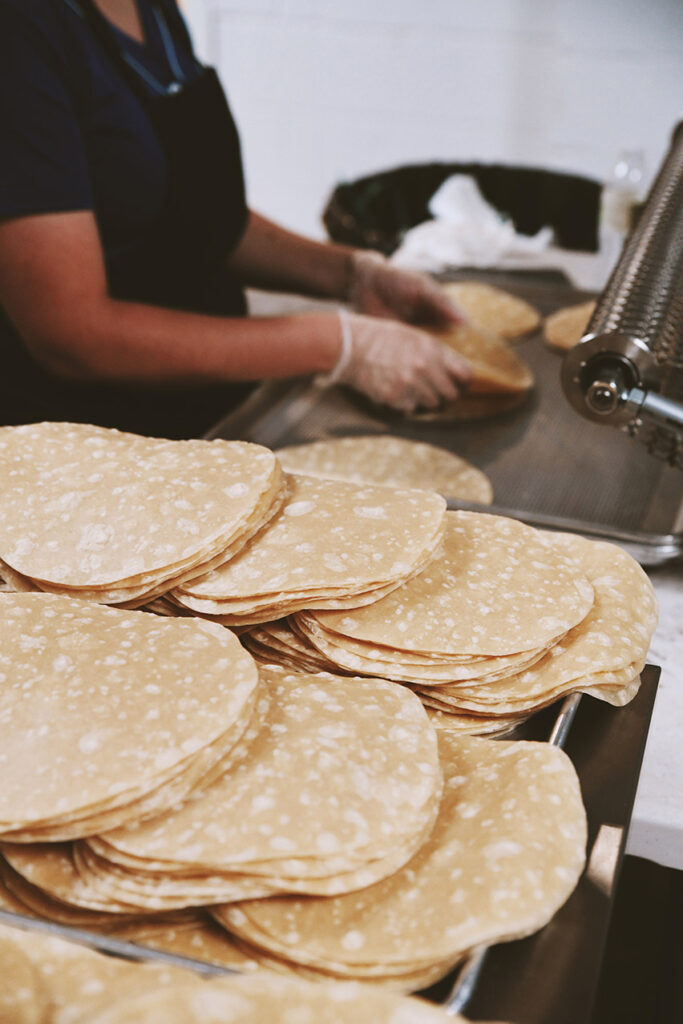
“Whenever we’d travel, we always brought high-quality tortillas back so we could enjoy authentic meals throughout the year. But when we ran out, there were never good local alternatives,” said Marissa. “So, nearly a decade ago, I began cooking tortillas myself. Mark and I would improvise, trying recipes that would introduce different flavors and ingredients to our family. We’d cook two to three times every week, which allowed me to put my heart and soul into the food we prepared.”
Her focus and dedication to create something authentic served as Marissa’s guiding light and thus, the idea of owning their own tortilleria was born. She and Mark continued prepping and honing their craft, all while holding down full-time corporate jobs and welcoming their second child, Siena, to the world.
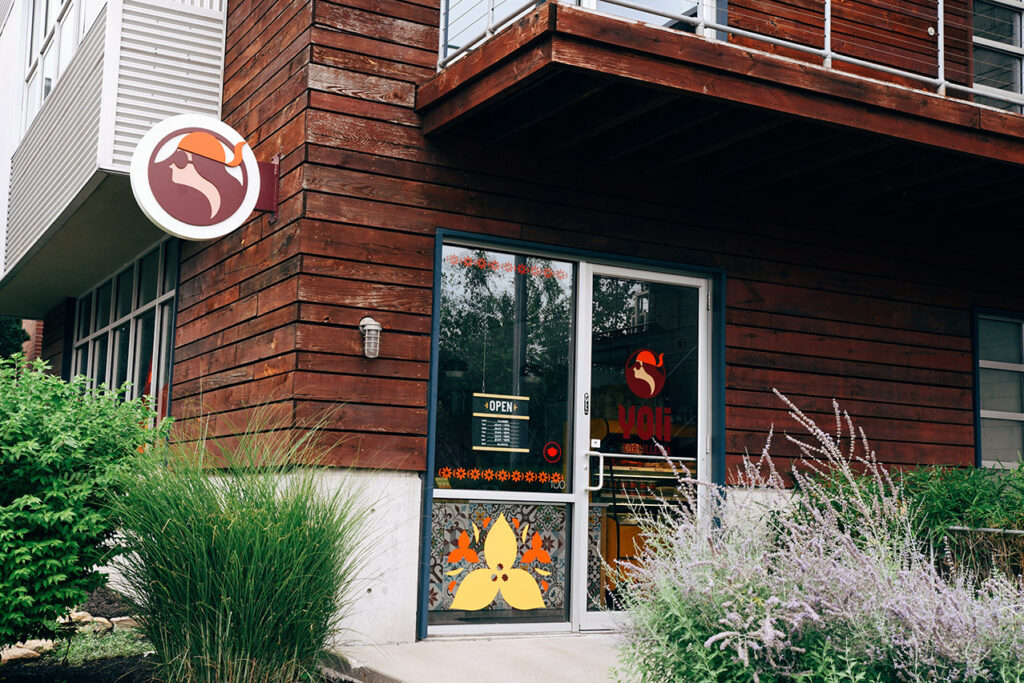
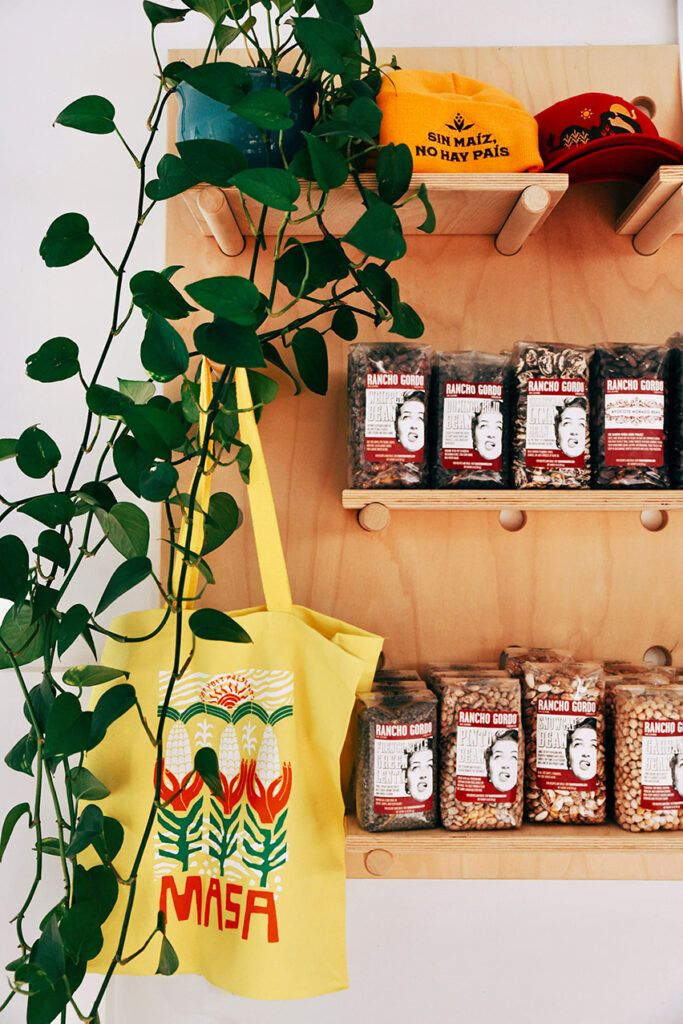
And then there was the brand’s name. It had to pay homage to Marissa’s history while honoring those experiences that had influenced her path. And that’s how Yoli Tortilleria came to be. Yoli, meaning “to live,” embodies an adventurous lifestyle, travel and memories — fully embracing those bumpy rides and cultural encounters. And the emblem, prominently displayed on every product that Yoli creates, is a representation of Marissa’s mother, who was her biggest inspiration and advocate.
Yoli now had an identity and that’s when the magic grew. Local restaurants began carrying Yoli products, exposing the community to incredible Mexican cuisine. Pop-ups showcased the brand, relationships were developed and word spread about this new, up-and-coming tortilleria in Kansas City. That hype — built upon love, hard work, bravery, exploration and passion — eventually led to the long walk one spring afternoon in Chicago.
As Marissa made her way onto the stage, a medallion with James Beard’s likeness — the first of its kind for exemplary bakeries — waited to take its place around her neck. She fumbled through her purse, looking for the scrap of paper she had scribbled a speech on. The spotlight shone bright. All eyes on her.
“Thank you. I wrote this just in case and I’m glad I did. Yoli was born out of dealing where life had taken us. We were in a very weird space and reaching our forties and, more than twenty years ago, I’d lost both of my parents. I have now lived most of my life without them. Baking became our therapy. A way to connect and honor my ancestors, in the middle of North America. Thank you for the opportunity and for helping us honor the very humble tortilla. Gracias totales to the Beard Foundation, to our friends, family, our children — Santiago y Siena, who put up with us so much and all our crazy schedules. And our city, Kansas City. Without you, we would not be here, so thank you so much. Muchas gracias.”
Long, bumpy road trips paved the way to create the truly remarkable. Genuine desire for others to experience Mexican cuisine created the foundation for Yoli Tortilleria, and the influence and support from Marissa’s family dissolved any doubt from those who discounted her dreams. Now, an excited and invigorated industry is fixated on those humble, award-winning tortillas.
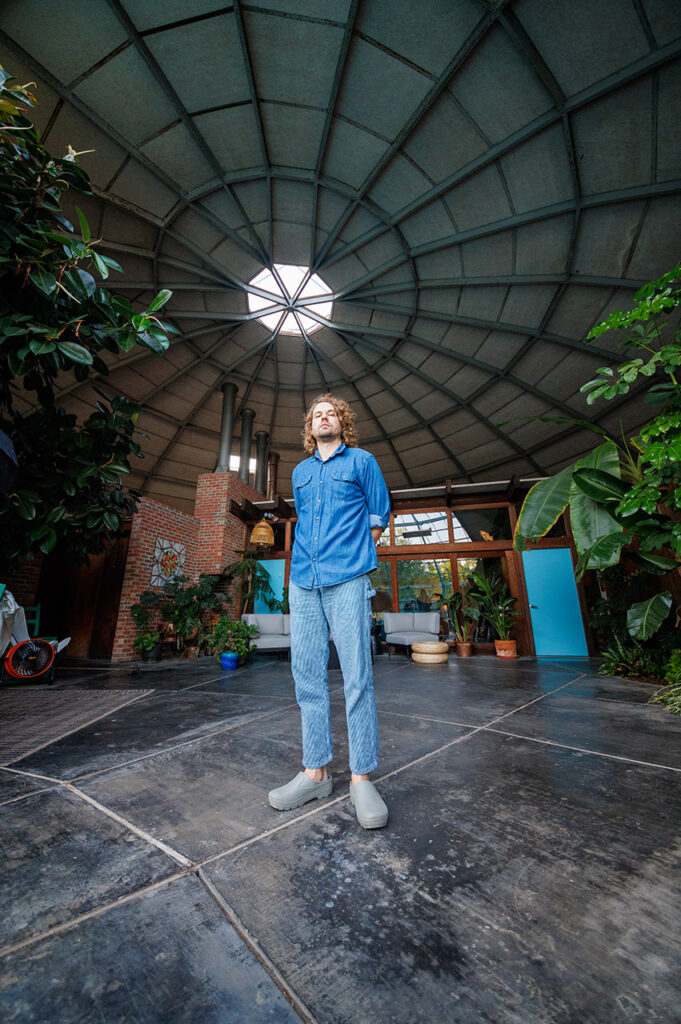
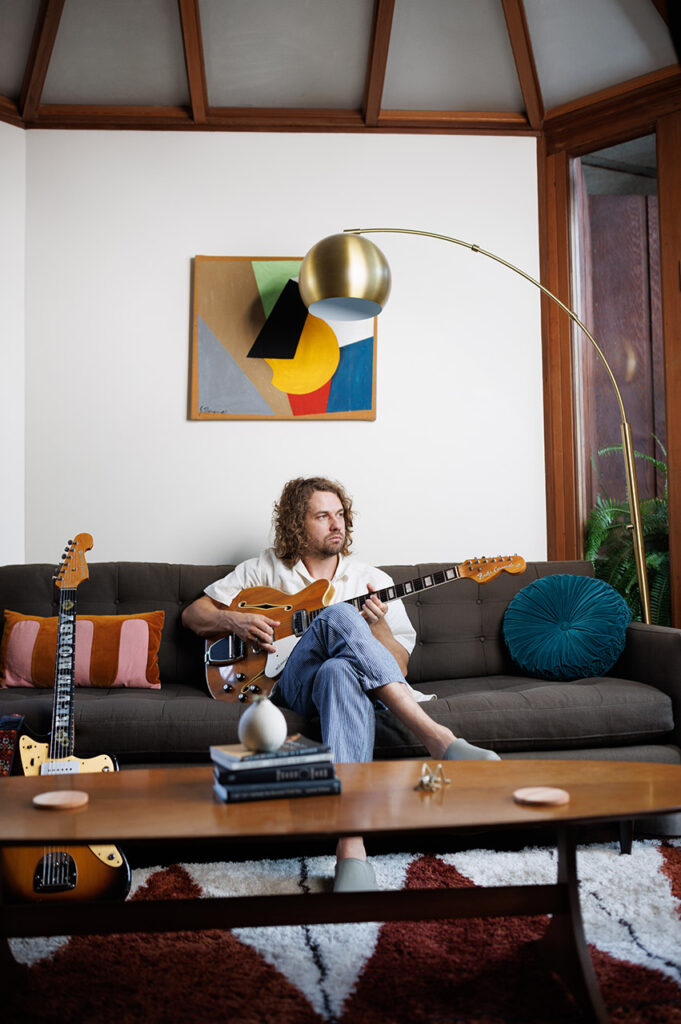
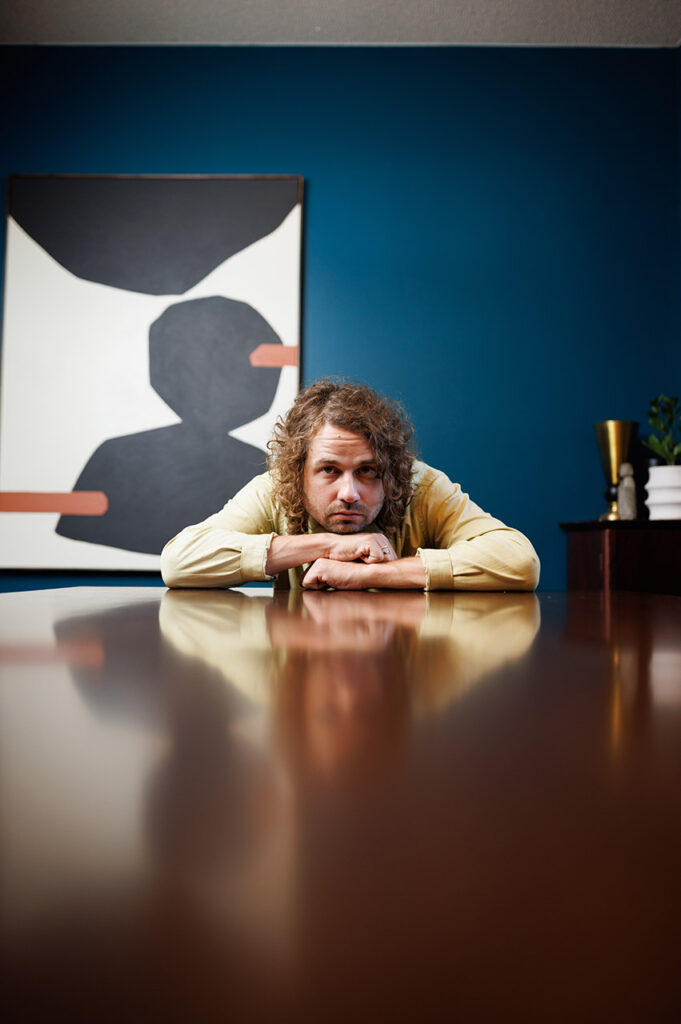
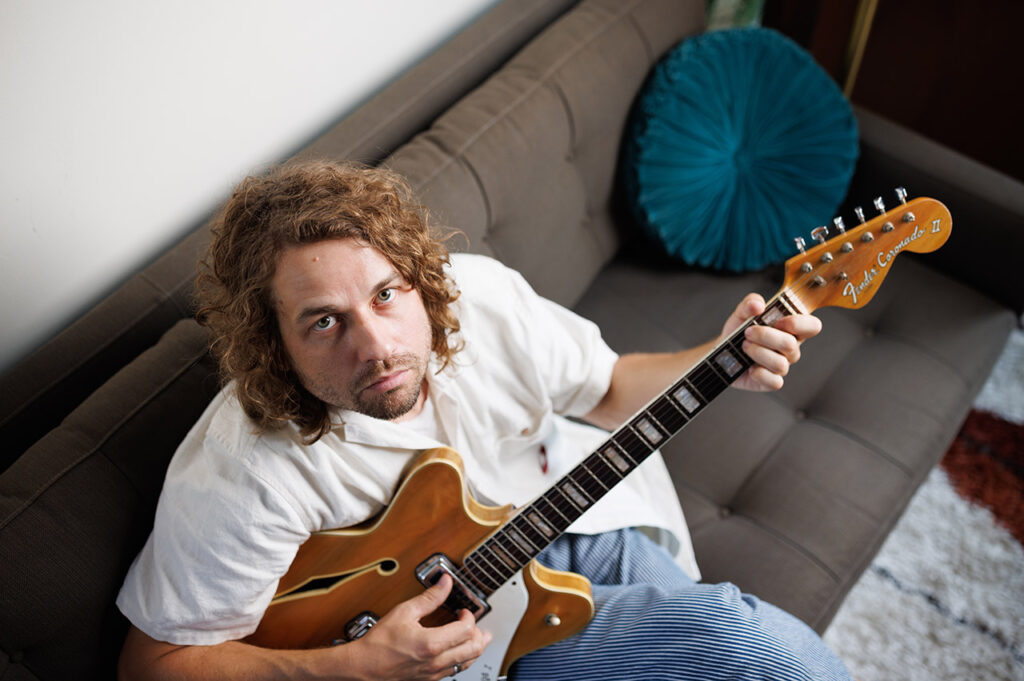
From ramshackle warehouses to headlining international stages, Kevin Morby’s career finds roots in the Heartland.
By Michelle Bacon | Photos by Paul Andrews
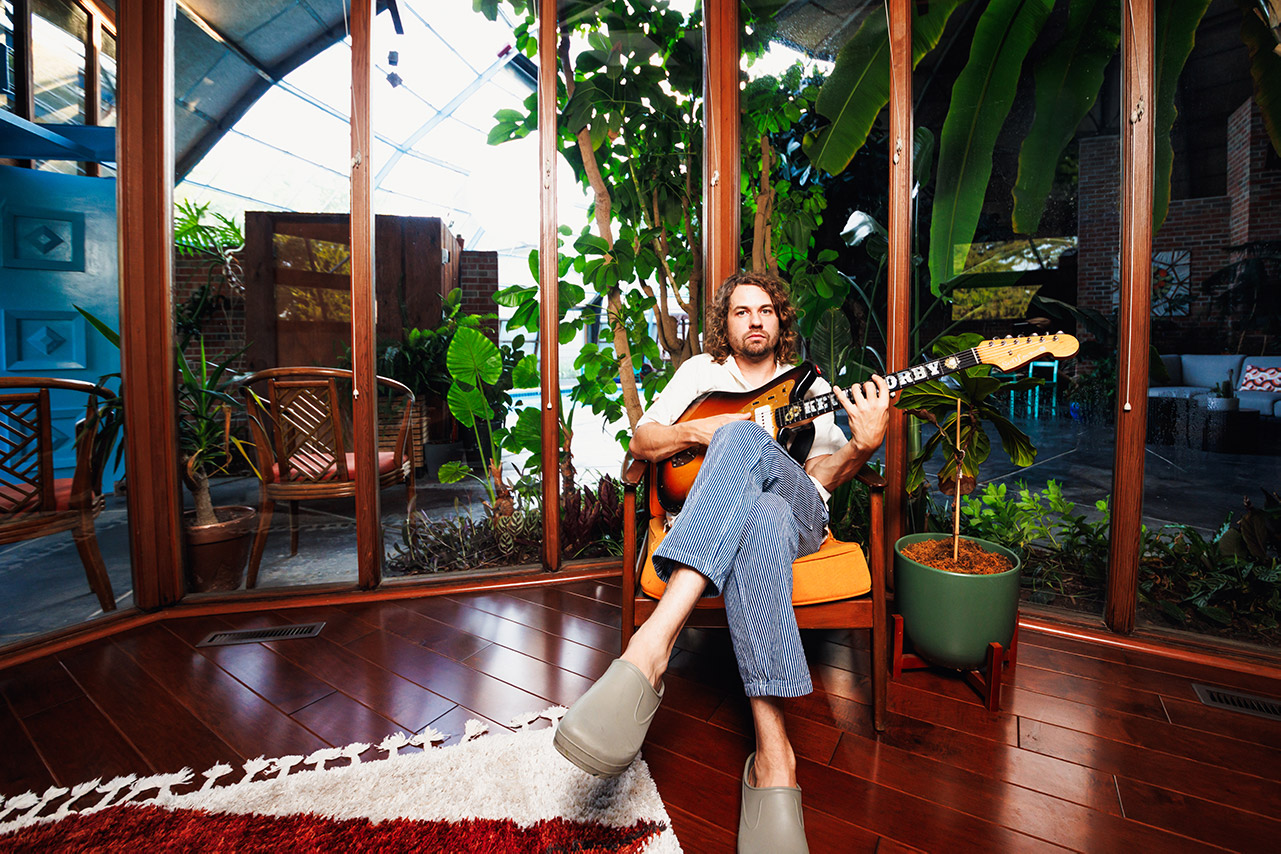
Some of Kevin Morby’s most formative moments took place in hollowed-out warehouses, ramshackle punk basements and abandoned loft spaces across Kansas City — sweating it out shoulder-to-shoulder with other kids, mesmerized by clattering rhythms and crunchy guitars.
It was the early 2000s, a time when the Crossroads Arts District was still in its infancy, the historic West Bottoms was sparsely dotted with haunted houses and the city center was largely untouched after business hours. But to Kevin and friends, it was a playground of possibility — one that would lay the groundwork for an esteemed career.
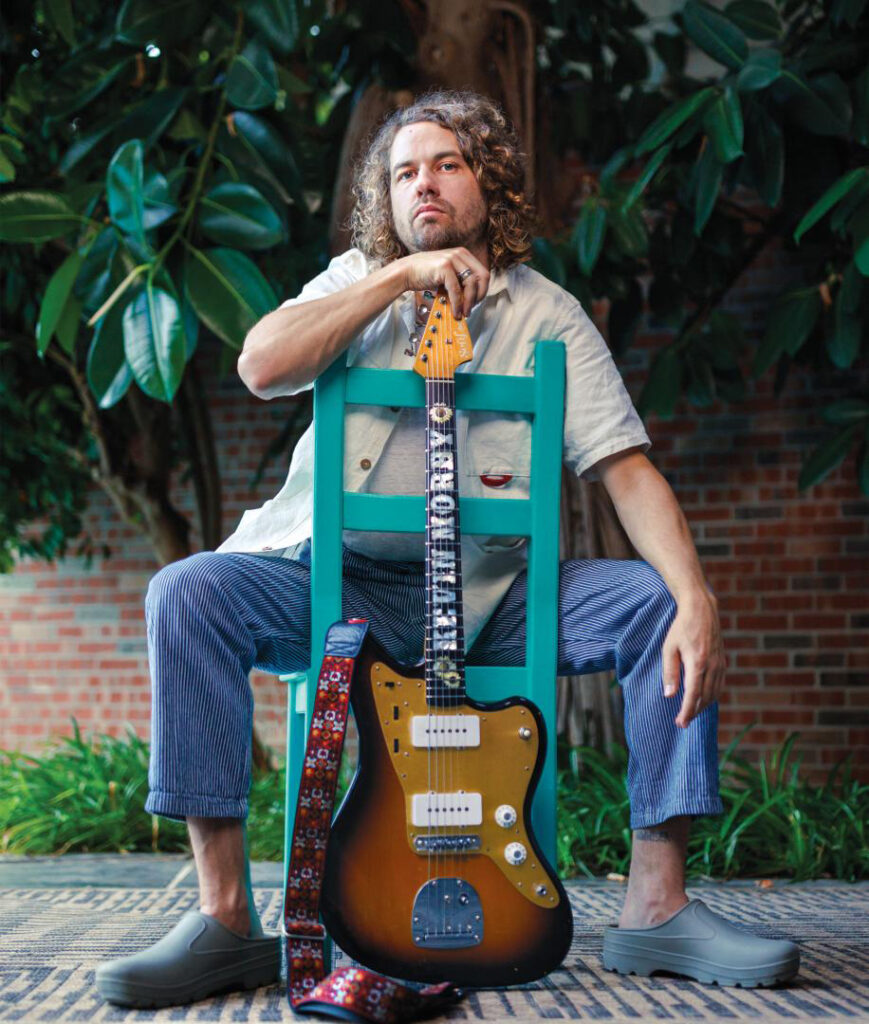
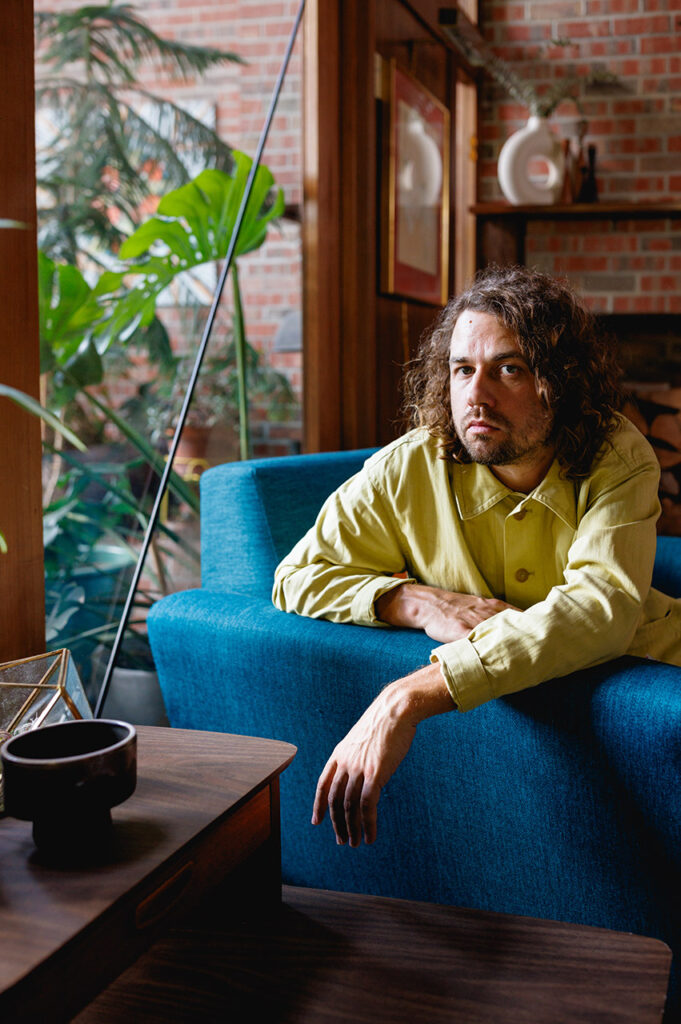
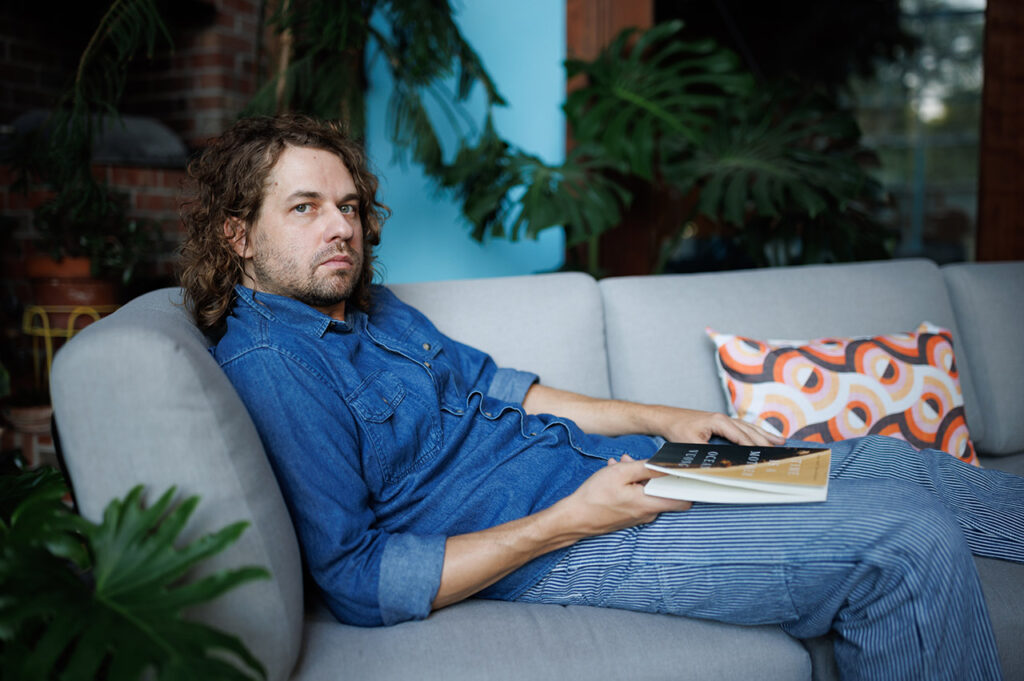
With seven records in 10 years, including the heavily acclaimed “This Is A Photograph,” Kevin has become a pillar of the indie music world. A quick-witted observationist, the singer-songwriter has a penchant for turning the mundane into the sacred — rambling through lonesome prairies and whirring city streets into the liminal spaces we take for granted. His Midwestern roots inspire muted cerebral folk songs with gentle but deliberate paces, in contrast with more turbulent tunes that roll to a pensive boil.
Born in Texas, Kevin and his family moved around the Midwest before landing in the serene KC suburb of Overland Park, Kansas, when he was in fifth grade. It was also around then that his curiosity would point him to music as a way to express himself.
As a freshman at Blue Valley Northwest, Kevin began penning songs and performing under his own name, later joining friends in a band called The Creepy Aliens. Suddenly, he was leaving the comfort of his home, immersing himself in every genre imaginable at underground clubs in the urban core.
“I remember calling my mom on a friend’s cell phone the first time I went down to a show,” he says. “She asked where I was and I had to look at the street sign — it was like, 13th and Grand. We lived at 135th and Antioch. I didn’t know numbers could go that low.”
This music scene was not only Kevin’s gateway to the city proper, but to the prospect that it could become his life’s work. “Saying that I wanted to be a musician ‘for a living’ felt strange because I didn’t understand that concept until I got into the DIY scene. I just wanted to be able to do it and see the world,” he recalls.
The Creepy Aliens would embark on short runs and link up with other DIY acts in the region — musicians self-producing, distributing and performing their own music — giving Kevin his first taste of touring. They’d swap shows and share bills, show up for one another in their respective towns, crash at each other’s apartments. “It all felt like an impossibility until I discovered this underground network where bands were literally doing it all themselves,” he mentions. “Once I accessed that knowledge, it felt like the world completely opened up.”
But Kevin knew he couldn’t forge that path here — not in the early aughts. Shortly after dropping out of high school and turning 18, he boarded a train to New York. Its DIY scene was on the rise, reminiscent of his circle in KC but on a global scale. The eyes and ears of the world were paying attention, and the bright-eyed Kansas wanderer found himself in the center of it all.
“There is a beautiful thing about not being surrounded by culture, so that when you find it, you can access it,” he says. “A lot of these NY kids were over everything by the time they turned 18 because they’d tried everything or knew every famous person or had been to every art gallery. They took it for granted because it was all right in front of them.”
Kevin, on the other hand, dove in and got to work. At 19, he started playing bass in Woods, another burgeoning act on the Brooklyn circuit. His bandmates were 10 years his senior — “real adults with real jobs and responsibilities.” Hurled into the life of a road warrior, he’d quickly learn the basics of hauling gear, wrapping cables, packing a van and riding in said van for 10 hours at a time, night after night.
As he got his bearings, Kevin felt freer to explore his own music. He and Cassie Ramone formed and co-fronted The Babies, which would give him a chance to test his material and lead a band. “This was a vehicle for my songwriting and my emotions,” he says. “It was a way to put a mask on my solo songwriting, to kind of cloak it in these other things.” The group would go on to release a self-titled album in 2011 and its follow up, “Our House On the Hill,” the next year.
By then, Kevin’s beloved New York DIY scene was dwindling. Artists were being priced out, keeping them from fully immersing themselves in their careers. So, in 2013, he and Babies drummer Justin Sullivan relocated to the “cheap desert” of Los Angeles, moved into a “really big house for next to nothing,” and started working on Kevin’s debut solo album, “Harlem River.”
Now in his mid-20s, Kevin found himself at the vanguard of another nascent music scene. Artists he knew from the touring circuit were also heading to LA, eschewing the DIY microcosm for stronger foundations. “A whole new crop of bands were starting to take off. All these professional musicians were moving out there to have a go at it,” he says.
A new sound was emerging, where reflective solo songsters were taking center stage. Surrounded by delicate but dense sonic tapestries, it was lyrically imaginative and often more reminiscent of ‘60s folk luminaries and beat poets. Within the four years he lived in LA, Kevin’s name would become principal in that indie lexicon. He released three more acclaimed albums: “Still Life” (2014), “Singing Saw” (2016) and “City Music” (2017).
By then, Kevin would be nearing his thirties and again finding himself in transition. The cost of living in LA, let alone any major metro area, had become onerous. He began dating Katie Crutchfield, who was forging her own solo project as Waxahatchee, and whose life was following a similar trajectory. Katie grew up in the small underground punk scene of Birmingham, Alabama, making music with twin sister Allison. She and Kevin had moved around the country for their careers and spent most of their time on the road. Both had four albums to their credits, and their latest releases (Kevin’s “City Music” and Waxahatchee’s “Out in the Storm”) leaned into heavier electric sounds than expressed in previous works.
The pair would soon share another commonality, one that was far more fortuitous: an abiding love for Kansas City.
After being signed to Dead Oceans in 2015, Kevin took the advice of fellow musicians Bradford Cox and Kim Deal before him: Once you make any real money from music, buy a house. He snagged one in downtown Overland Park and rented it out to a friend. By 2017, the friend moved out, so Kevin would come back for a couple of months to tend to it, then return to LA. Katie would visit him in KC when their schedules aligned. She, too, was in transition, ready to leave Philadelphia.
“I was in a funny place where I was super jaded about where I was gonna live,” Katie says. “I had been everywhere in America 17 times. I didn’t want to be in NY, LA, Chicago or back south. I just couldn’t make up my mind… I was just sort of floating around.”
But something happened when she visited KC with her partner for the first time. “I remember being really struck by how much I liked it,” she says. “It was a feeling I hadn’t had in a long time, where I went to a new place and felt so connected to it.” Though she hadn’t considered moving to KC, Katie started seeing it as a wonderful middle ground that afforded her all the resources of a big city without all the noise. She began spending more time at Kevin’s Overland Park house between gigs, finding unexpected refuge.
In 2018, she made a life-altering decision, vowing to get sober and take an entire year off touring — an almost unheard-of choice for a musician whose primary income came through a life on the road.
“I was burning the candle at both ends — that’s what I had to do to earn a living,” she recalls. “It was scary, but something told me that’s what I needed to do to make the type of record that I really wanted to make.”
For the better part of that year, Katie cozied up in Kevin’s home while he was on tour — in the back shed studio area he dubbed The Little Los Angeles. “It was just this perfect little space. There was a piano, music gear everywhere,” she says. “I really felt like I could come here and feel that sense of solitude because I didn’t know many people here at the time, but because it had everything I needed, I could still go out and find really great food. [KC] has been really conducive to songwriting for me in that way.”
There, she would “spin silence into gold,” gifting those songs to the world in March 2020 and calling the effort “Saint Cloud.” A major breakthrough, the album doubled Waxahatchee’s fanbase and became a sanctuary for a world forced into abrupt lockdown. Katie’s own self-imposed isolation tapped into an elemental part of her musical identity, extracting pieces of her Southern roots while taking inspiration from the understated beauty of her new surroundings.
“It’s such a big part of it for me to live in a place like KC,” she says, adding that the ambient chatter of industry towns wasn’t working for her approach to songwriting. “Something about it makes my entire process feel more my own. It’s always important for me to shut the world out when I’m trying to receive some type of vision of what’s next, and I really needed that spaciousness to do that.”
As Kevin watched his girlfriend fall in love with KC, he found himself doing the same. “There was something about seeing KC through Katie’s eyes that made it easier for me to see it in a new perspective, rather than feeling like I was back in high school and nothing had changed.”
He also recognized how much it actually had changed. The modest metropolis of his youth had undergone a major transformation in the previous two decades — becoming an affordable, innovative Midwestern hub for artists, entrepreneurs, restaurateurs, tech startups and international sporting events. The DIY scene of Kevin’s teenage years had given way to a bustling community of musicians, many of whom were making the national scene with KC as their home base.
As he grew to appreciate it in a new light, Kevin started to see his life in Kansas City as a bounty. “The fact that I started making a living off my passion made me think, I really can’t mess this up,” he says. After more than a decade of paying his dues, he discovered that building a life here would reap greater rewards. Over the pandemic, Kevin and Katie put down roots and bought a home together in KC.
While their stars rise, the indie-rock couple feels a palpable sense of civic pride as Kansas City continues its renaissance. Both point to the star-studded Big Slick Celebrity Weekend, where they performed in the summer of 2024. Founded in 2010 by KC natives Paul Rudd, Jason Sudeikis and Rob Riggle, the annual gathering includes a slew of A-listers who come together for a softball game, concert and other events raising millions for local hospital, Children’s Mercy.
“It was cool to look around that room and think, all these people are from KC. Everyone has gone out and done something amazing but still reps their hometown and loves it so much. It’s such an inspiring place in that way,” Katie says. Kevin adds that it’s a “very Kansas City thing” to do — for these celebrities to give back to the community that molded them.
He gets to the heart of what he feels is so unique and personal about being from Kansas City. “KC feels like it belongs to me,” he says. “As much as I love NY and LA, they sort of belong to everybody. I have my spots here, and they feel like they’re sacred and secret. You can’t have that in bigger cities.”
In addition to favorite spots like Mutual Musicians Foundation, Big Mood Natural Wines, Earl’s Premier and Baramee Thai Bistro, Kevin and Katie have found an inspiring sense of place across KC’s byways. For Kevin, it’s vantage points like the northland bridges over the Missouri River, the Western Auto sign and suburban haunts he took for granted as a kid, like Glenwood Arts Theater and the former sites of The Rio and Metcalf South Mall in Overland Park.
To cap the conversation, Kevin shares an anecdote he’d recently heard about a fellow KC native — a musician whose shadow still looms large over the city nearly a century later.
“Someone told me that Charlie Parker couldn’t wait to get out of here,” he says. The flourishing KC jazz scene of the 1930s was ground zero for the saxophonist’s improvisational style, but like Kevin, he would have to leave in order for his sound to evolve. Something about that story stuck with the ruminative troubadour.
“There’s a happy ending to not agreeing with a place, going out and doing your thing, and then, at least for me, coming back,” Kevin says.
As the 36-year-old musician enters the next phase of his career, he carries his city with him and displays it like a badge of honor. He feels a debt of gratitude to Kansas City, both for giving him the curiosity to excavate the hidden treasures of humanity through his art and for being a safe, comfortable place to forge ahead and flourish. Kansas City set Kevin’s musical odyssey in motion, and in return, he’s making Kansas City cooler than ever.