2026 Transportation Outlook

by Mary Boetcher | Intern, KC SmartPort

The transportation industry stands at a pivotal moment of transformation. Once defined by physical infrastructure and fuel costs, the sector is now being reshaped by intelligent technologies, shifting workforce dynamics and a growing emphasis on environmental sustainability. As global supply chains grow more complex, transportation leaders are rethinking their strategies for long-term impact.

The rise of automation, the acceleration of electrification and the changing role of labor in a tech-enabled industry are no longer future considerations. They are active drivers of competitiveness and are reshaping how goods and people move across the world.

Download Full Report

Water | Smarter Ships Amid Supply Chain Uncertainty

The global water transport market was projected to hit $618.04 billion by the end of 2024, driven by expanding international trade, increased demand for energy-efficient vessels and innovations in logistics technology — and while it ultimately fell just short of that mark, recent estimates show it came very close, highlighting strong sector resilience and steady growth.

That year, the barge sector rebounded from earlier disruptions, powered by increased investment in infrastructure and environmental regulations. Companies began adopting digital tools and automation to streamline their operations and improve transparency, while also focusing on cleaner fuels and sustainability initiatives to reduce their environmental impact. 

Ports worldwide are now investing in smart infrastructure and greener practices, aiming to support stricter emissions standards and reduce overall environmental impact. Growth remains strong despite challenges from fluctuating fuel costs and the uncertain pace of economic recovery.

As inland and ocean transport providers invest in modernization and sustainability, the pressure on shippers to adapt continues to grow. While carriers capitalize on increased demand and pricing power, ongoing issues, including congestion, labor constraints and climate risks could accelerate a shift toward more localized supply chains.

Air | Air Travel Reinvented: Efficiency Meets Accountability

In 2024, the aviation industry reached a critical inflection point, driven by sustainability and digital transformation.

Airlines and airports started using more sustainable aviation fuel (SAF) to cut down on emissions. At the same time, the International Civil Aviation Organization (ICAO) introduced an extensive plan called “Safe Skies, Sustainable Future” to guide the industry toward cleaner, safer skies from now through 2050. 

Meanwhile, breakthroughs in AI, biometrics, predictive maintenance and automation have enhanced efficiency and data-driven decision-making.

Despite progress, many industry insiders warn that current climate mitigation efforts fall short. Critics argue that the aviation industry relies too heavily on carbon offset programs instead of focusing on long-term solutions that reduce emissions and increase accountability.

In response, ICAO has started pushing digital upgrades and green fuel standards. Still, politics are getting in the way — such as when the U.S. pushed back on rules that seemed to favor Brazil’s farming methods for producing SAF.

Road | Logistics Reimagined with AI and Automation

The future of the road transportation industry is fueled by technology, sustainability and a changing labor landscape. As operations become more complex, companies are increasingly relying on advanced technologies like AI and automation to optimize routes, cut fuel use and enhance safety. Technology, including GPS tracking, smart maintenance tools and cloud software, is becoming more common, helping fleets run more smoothly and adapt more easily.

Labor shortages remain a critical challenge, pushing the industry to reimagine recruitment, retention and training. Automation is necessary for keeping up with demand and technology can be a useful tool for combating workforce issues. Transportation companies are increasingly turning to digital marketing and online platforms to engage customers, attract talent and build resilience in an unpredictable economic environment.

Looking ahead, the companies that succeed will be the ones that leverage technology to stay flexible, invest in greener infrastructure and adapt quickly to changes in the workforce and market. The future of transportation won’t just be about being fast and eco-friendly — it will also require industry players to be smart, connected and ready to evolve.

Rail | Rail’s Revival in Motion

The U.S. rail industry is undergoing a strategic shift after years of prioritizing cost-cutting through Precision Scheduled Railroading (PSR).

While PSR improved efficiency and boosted profits, it also reduced flexibility, strained labor capacity and contributed to service issues — prompting backlash from shippers and regulators. With freight volumes recovering and government infrastructure funding on the rise, the industry is now refocusing on clean energy, resiliency and customer service.

The push for sustainability amplifies rail’s long-term value. With a lower carbon footprint than trucking, rail is well-positioned to benefit from reshoring trends and stricter environmental standards.

Rail companies are stepping up their digital efforts, using tools like AI and predictive analytics to improve maintenance, safety and day-to-day operations. At the same time, major investments in smart infrastructure, modern signaling and clean energy are driving the growth of high-speed passenger rail around the world. While most high-speed development is focused on passenger service, these advancements also support industrial freight networks through shared technology and long-term system integration.

As railroads modernize, their ability to compete will depend on how effectively they scale new technologies, build collaborative ecosystems and attract skilled labor. Momentum is building, but the sector’s future hinges on its ability to evolve to a more agile, tech-enabled and customer-centric model.

Forecast | What Will Define the Next Five Years

Over the next three to five years, several key developments are expected to reshape the transportation landscape — driven by innovation, shifting market demands, and a renewed focus on efficiency, resilience and sustainability. 

AI and Automation Maturity: AI is quickly shifting from small test projects to widespread use across all aspects of industry.

In logistics alone, 38% of companies are already using AI, and the AI-in-transportation market is projected to grow from $3.8 billion in 2024 to $9.3 billion by 2029 — potentially cutting costs by as much as 50%. Tools including predictive analytics, self-driving systems and AI-powered operations are becoming the norm as the industry moves toward smarter infrastructure.

Sustainability as a Competitive Driver: Sustainability is no longer just about compliance  it’s a key competitive strategy.

In water transport, greener vessels and digitized ports are driving growth, while aviation and rail are evolving with lower-emission fuels and more efficient technologies to meet environmental goals. On the roads, electric vehicles and trucks are no longer niche — they’re quickly becoming the industry standard. Across all modes, sustainability is reshaping long-term investments, operational models and competitive positioning. 

Workforce Redesign: Ongoing labor shortages are pushing companies to rethink roles and invest in both people and automation. 

Rather than replacing workers, digital tools, including AI, drones and predictive platforms, are used to augment human capabilities and streamline operations. These technologies help reduce repetitive tasks and allow employees to focus on more strategic, high-value work.

At the same time, the industry is grappling with an aging workforce and a lack of young employees entering the industry. In response, companies are investing in reskilling, offering more flexible roles and rebranding logistics careers to appeal to tech-savvy talent. The most competitive organizations are aligning workforce strategies with digital transformation. 

The Edge of What’s Next

The transportation industry is no longer defined by its modes — air, water, road or rail — but by how intelligently, sustainably and flexibly it operates across all transportation modes. 

As the industry navigates this pivotal moment, success will favor those who strategically leverage technology, prioritize sustainability and adapt to workforce dynamics — using each to mitigate risk and build resilient operations in an increasingly unpredictable environment. 
Download Full Report

The Connector | August 2025

The Connector, KC Animal Health Corridor logo, woman feeding a cow, a puppy and a kitten

Welcome to The Connector. Fetching the freshest animal health news.

Important Things You Need to Know

Kimberly Young

Kimberly Young Featured In Women’s Business Daily

KC Animal Health Corridor President Kimberly Young was recently profiled by Women’s Business Daily in a powerful interview about leadership, resilience, and building one of the world’s most influential industry clusters. From high-stakes negotiations to work-life integration, Kimberly shares what it means to lead with purpose and on your own terms. >> Full Feature

Remembering Ron Brakke

The Animal Health Corridor extends its deepest condolences to the Brakke family and to the dedicated team he built at Brakke Consulting.

Ron Brakke was not only a pioneer in animal health consulting, but also a passionate advocate for the industry for more than six decades. His unwavering support and visionary leadership were instrumental in shaping the early years of the Animal Health Corridor, and his contributions were honored with the 2014 Iron Paw Award.

Ron’s legacy will continue to inspire and influence the animal health community for years to come. We are grateful for his many contributions and mourn the loss of a true industry icon. >> Read More About Ron Brakke

Fall Networking at Vytelle

Join us October 21 from 4-6 p.m. at Vytelle for an evening of networking with animal health professionals and Corridor colleagues. Mark your calendar now and watch for registration details soon. >> Register Now


Letting Go to Further Grow in Life & Business

As I drop my son off for his freshman year of college, I realize the parallels between business and life’s challenging moments. It’s important we trust the process, because discomfort is where we all grow. >> Read Full Blog


Industry News

Top Pet Innovators Unleashed in 2025 Pet Innovation Awards

Elanco Animal Health Reports Second Quarter 2025 Results

Zoetis Announces Second Quarter 2025 Results, Raises Full Year 2025 Outlook

Merck & Co., Inc., Rahway, N.J., USA Announces Second-Quarter 2025 Financial Results

Akston Expands Leadership Team with Appointment of Two Veterinarians to Advance First-in-Class Biologics for Pets

Department of Agriculture Announces Reorganization Plan

New scientific review program manager named to oversee ingredient submissions pathway

BiomEdit Advances First-of-Its-Kind Engineered Bacteria Product to Final Development Phase, Secures Series B Funding and Adds Key Industry Leadership

Advancing Drug Development with Non-Liquid Matrix Bioanalysis

Merck Animal Health Announces FDA Approval of EXZOLT™ (fluralaner oral solution) for Chickens, the First Systemic Treatment for Northern Fowl Mites

Connect Veterinary Consulting Announces New Service Offering

From the livestock barn to the pageant stage, the Missouri State Fair offers young agriculturalists unique leadership roles

AVMA and ACVIM honor Joan Coates

White Label vs. Private Label: What’s the Difference—and Where’s the Opportunity?

‘Mini farm bill’ funds national animal disease research and management

Startups across the pet industry can apply for a chance to win up to $50,000 in non-dilutive funding

COST, GUILT AND DOUBT: HILL’S PET NUTRITION’S 2025 STATE OF SHELTER PET ADOPTION REPORT REVEALS WHY PETS STILL WAIT IN SHELTERS

Shelter Pets Get Their Big Break as Actor Josh Hutcherson Joins Hill’s Pet Nutrition During Annual NBCUniversal Local’s Clear The Shelters


Save the Date

2026 Animal Health Summit

August 31 – September 1


Letting Go to Further Grow in Life & Business

This month, I did something I’ve been mentally preparing for: I dropped my one and only child off at college.

The moment was full of pride, excitement, and more than a few quiet tears. As we helped set up his dorm room and made our final Target run, I found myself reflecting on how this experience mirrors lessons I’ve learned, and sometimes relearned, in business.

Trust the Process

As a parent, you spend years investing in your child: teaching, guiding, preparing. For me, I didn’t get the full 18 years, as I adopted my son when he was 11, but there was a lot packed into nearly a decade. It is hard to step back, and trust they’re ready. It’s no different in business. Whether you’re launching a new product or program, promoting a team member, or entering a new market, you do everything you can to prepare and then at some point you let go. Leaders must move from doing to trusting.

Growth Happens in Discomfort

College is the beginning of a new identity for your child, just like any pivot or scale-up is for a business. Both involve risk, unfamiliarity, and the discomfort that comes with stretching boundaries. And yet, we know this is where growth happens. Businesses, like people, don’t grow when things are easy, they grow when challenged.

Foundations Matter

Every lesson, value, and habit we try to instill in our children forms a foundation they now carry with them. In business, your culture, mission, and early decisions become that foundation. You can’t predict every obstacle your team or company will face, but if the groundwork is solid, they’ll have what they need to adapt and thrive.

Celebrate the Milestones

I’ve come to realize in both parenting and business, we don’t pause often enough to celebrate wins. It’s important to take a moment to appreciate the journey, whether it’s your child starting their next chapter or your team achieving a major goal. Reflecting on progress can create momentum. Enjoy the small wins along the way! 

You’re Still Part of the Journey

Just because we step back doesn’t mean we step away. I’ll still be a call or text away for my son, and in business, great leaders know how to stay engaged without micromanaging. Your role evolves, but your presence still matters.

As we drove home, the empty seat in the car was a stark reminder of change but also growth. The same holds true in business: moments of letting go aren’t signs of loss. These are signs that something is working and that what you’ve built is strong enough to continue without your constant presence. 

And in both parenting and business, isn’t that the ultimate goal?

Now, excuse me while I go grab a Kleenex.

2025 Intern Season is in the Books

This summer, in collaboration with businesses across the KC region, TeamKC elevated intern engagement to new levels. We highlighted KC’s vibrant regional assets, spotlighting both fresh, emerging attractions and well-established gems. 

The TeamKC Intern Program demonstrated what life and work in Kansas City can look like for recent grads entering the workforce. Whether interns came from local KC neighborhoods or beyond, there was something to captivate every rising professional. Here’s a look at what made this season truly unforgettable:

  • We delivered KC 101 presentations to 1,000+ interns from 35 companies around the region, including group presentations at CPKC Stadium and Children’s Mercy Park for 200 interns from 20 companies.
  • 496 interns signed up for weekly KC Heartland emails, and 100% received emails for the full summer!
  • Incredible partners, including KC Current, KC Royals, Sporting KC, Starlight Theatre, Union Station and 3DHQ, provided amazing prizes and ticket giveaways.
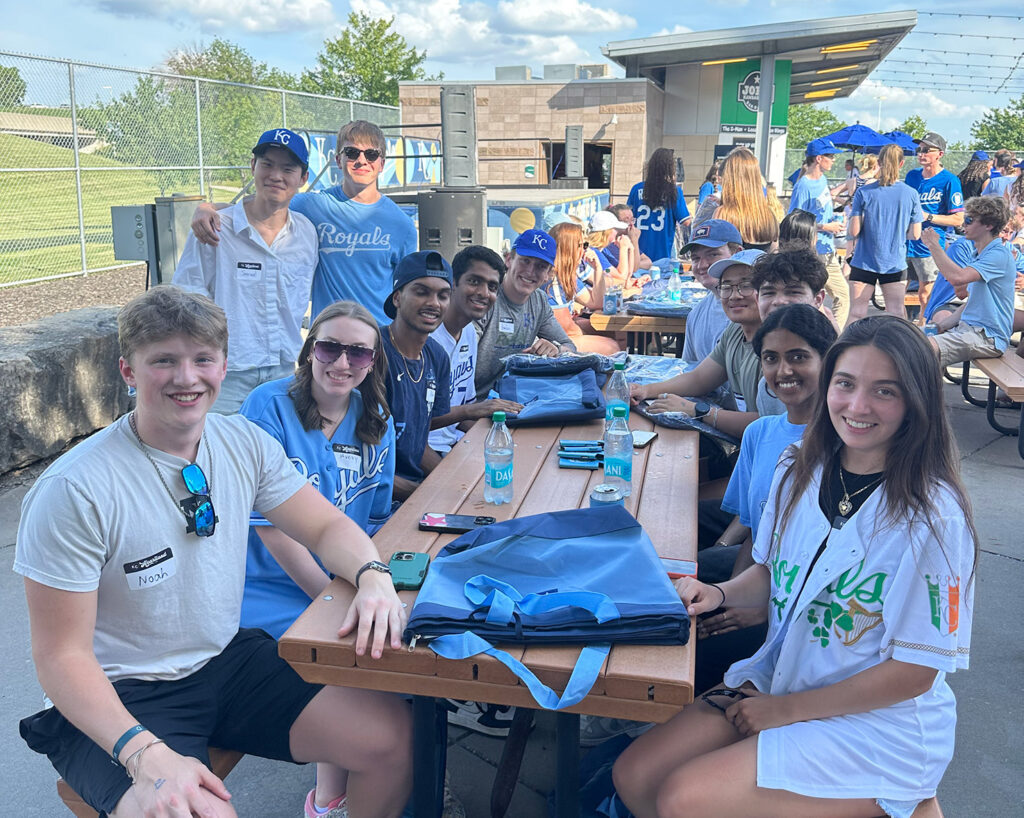
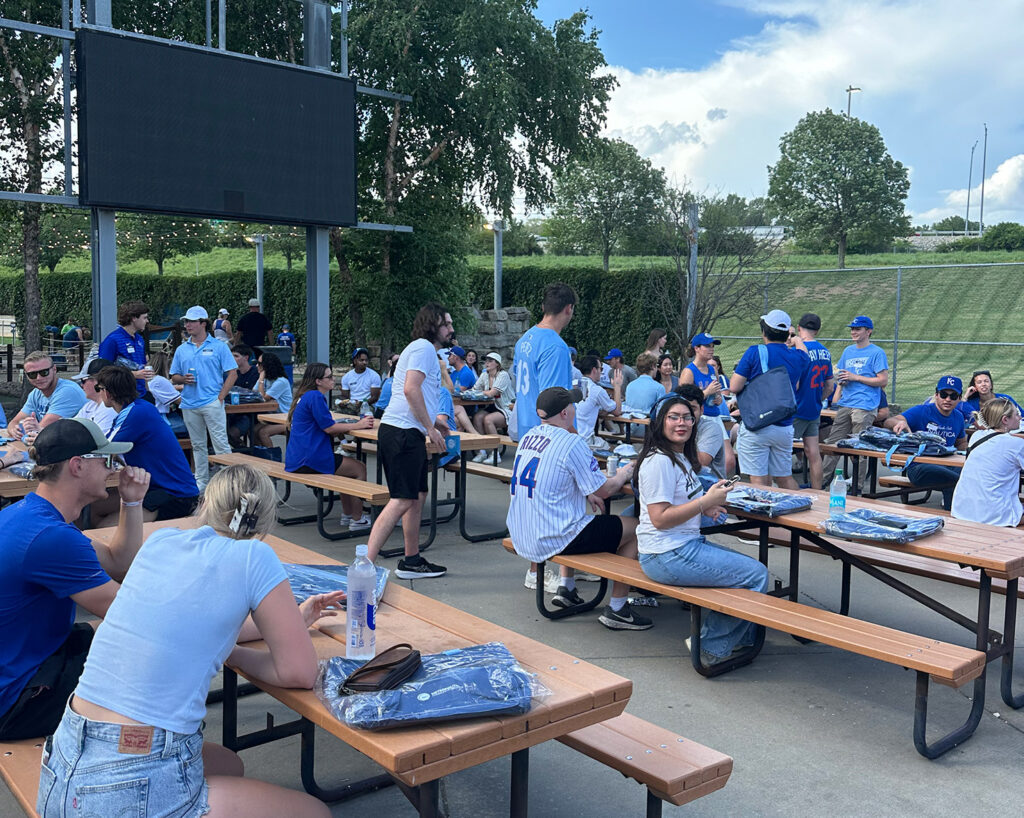
  • Intern Night at the K was a fan favorite once again, with 400+ attending to network and catch the game.
  • The KC Intern Bucket List provided 50+ resources for interns who explored on average 9 minutes per session (this is an eternity!). Interns really enjoyed the neighborhood resources and the KC BBQ Quiz.

WHY IT ALL MATTERS

We asked the interns for their thoughts on this year’s programming. Nearly 70 responded. Here’s what they had to say:

  • 75% said the program helped them make a connection to the KC region.
    • “It was a great way to meet interns from other companies in a manner which I wouldn’t have been able to do without this program!”
    • “I made sooo many friends, had so much fun. Best summer ever!!”
  • 84% said the program helped them explore the KC region in ways they wouldn’t have otherwise.
    • “As someone who is not from the KC area, I found the KC 101 very interesting and helped me find places that I enjoyed without having to do a deep dive search on Google.”
    • “It is a great introduction to KC. Being a local, it even introduced me to new, more local KC things to try!”
  • 3 out of 5 interns said the likelihood of returning to work in KC was a perfect 10.
    • “I had a great summer here in KC! I will definitely be coming back, thanks to you guys for helping us interns have the best summer ever.”

Connecting talent from around the country and seeing KC through their eyes never gets old! Let’s build on this momentum. TeamKC is available all year long to support your recruitment and retention strategies for early career talent and experienced professionals alike. Sign up to be a part of the TeamKC network to stay engaged!

The Ingredients Behind KC’s Food Industry Boom

Kansas City is rapidly solidifying its role as one of the top destinations for food and beverage manufacturing in the United States. Ranked sixth nationally in the Global Location Strategies 2025 Best Places for Food Manufacturing report, the region stands out for its exceptional blend of location quality, business-friendly operating costs and deep industry expertise.

Located in the heart of the West North Central region – spanning from North Dakota through Missouri as defined by the report – Kansas City anchors one of the fastest-growing food manufacturing corridors in the country. Despite the region having just half as many metros as its eastern counterpart, it captured 18% of all U.S. food manufacturing project announcements between 2023 and 2024. Kansas City played a leading role in that success, especially in high-demand sectors like animal food manufacturing, grain and oilseed milling and dairy products.

What makes the Kansas City region so attractive to food manufacturers is its unmatched combination of infrastructure, talent and proximity to agricultural supply chains. Companies benefit from a central U.S. location with strong rail, highway and distribution access, enabling fast and cost-effective movement of raw materials and finished goods. The region’s skilled workforce offers a reliable labor pipeline that continues to evolve alongside increased automation and industry innovation.

As food and beverage companies seek resilient and strategically located operations, Kansas City is proving it can deliver. Whether it’s a greenfield facility, expansion, or supply chain optimization, Kansas City has the infrastructure, workforce and momentum to support long-term success in this critical sector.

Get the full report.

Transportation’s Race Toward Tech, Talent and Climate Goals | KC SmartPort PULSE

Transportation Outlook 2026

2026 Transportation Outlook

Inside Transportation’s Race Toward Tech, Talent and Climate Goals

Once defined by physical infrastructure and fuel costs, the transportation sector is now being reshaped by intelligent technologies, shifting workforce dynamics and an urgent push toward environmental sustainability. As global supply chains grow more complex, transportation leaders are rethinking their strategies for long-term impact.

What’s in the report: Discover how AI, automation and electrification are transforming water, air, road, and rail transport. Learn the key trends shaping the next five years and why talent and sustainability are mission-critical to global transportation. 

>> Read the Full Report

The Ingredients behind KC’s Food Industry Boom

Kansas City ranks sixth nationally in the Global Location Strategies 2025 Best Places for Food Manufacturing report, the region stands out for its exceptional blend of location quality, business-friendly operating costs and deep industry expertise.

KC News Spotlight

Nearly half (46%) of U.S. workers now live far from where they grew up. Kansas City is one of the top 15 regions people relocate to, with many citing career growth opportunities and affordable living as the driving force behind their interest in KC.

>> The 25 fastest-growing U.S. metros for jobs and new talent

The Connector | July 2025

The Connector, KC Animal Health Corridor logo, woman feeding a cow, a puppy and a kitten

Welcome to The Connector. Fetching the freshest animal health news.

Important Things You Need to Know

Big Things Await at the 2025 Animal Health Summit

Early Bird Registration Ends July 18
Lock in your spot before prices go up. You’ll get access to two days of industry networking, emerging company showcases, and business partnering meetings—all in one place.

1:1 Business Partnering Opens July 21
Mark your calendars: 1:1 partnering opens July 21, giving you the chance to schedule high-impact meetings with partners, investors, and collaborators at the Summit.

New Technologies You’ll Want to See
From AI copilots and feline cancer treatments to smart harnesses and advanced diagnostics, this year’s emerging companies are redefining animal health. Don’t miss what’s next.

What’s Shaping Animal Health Now and What’s Next

Register today and join us August 5 at 10:00 am CDT for the Animalytix Mid-Year Market Update, a virtual event delivering the latest data, insights, and trends in animal health to help you navigate the rest of 2025.

Your registration does more than unlock insights – proceeds will support On A Mission KC, our 2025 Spirit of Service honoree, helping deliver critical resources and supplies to rural animal shelters across Kansas and Missouri.

>> Register Now

Fall Networking at Vytelle

Join us October 21 from 4-6 p.m. at Vytelle for an evening of networking with animal health professionals and Corridor colleagues. Mark your calendar now and watch for registration details soon. >> Save The Date


Creating a Cat-Forward Animal Health Industry

As more families welcome cats into their homes, it’s pertinent that the animal health industry adapts from a canine-first model to one that embraces feline health and wellness as a priority. Hear how we can do just that in this month’s blog.  >> Read Full Blog


Industry News

Hill’s Pet Nutrition names Hsu president

CERES TAG and Noble Research Institute Announce Exclusive Research Agreement

Bimini Pet Health Earns Prestigious NASC Preferred Supplier Designation

Vytelle’s New 2024 Global Pregnancy Summary Highlights Consistently High Success Rates Across Seven Countries

New Study Launches to Investigate Burnout Among Relief Veterinarians

10 powerful impacts from ReCHAI’s first 20 years

Elanco Announces Milestones Expanding Access to Canine Parvovirus Monoclonal Antibody (CPMA) to Veterinarians and Shelters Across the Country  

Spotlighting Innovation in Agriculture

Burns & McDonnell Donates Over $1 Million to Inspire Future STEM Leaders Through Expanded Science Center Partnerships

Hill’s Pet Nutrition launches new urinary, hairball control formulas

The Countdown Begins: With One Year To Go Until the FIFA World Cup 26™, KC2026 Unveils Official Countdown Clocks, Announces Official Host City Supporters of the Kansas City World Cup 2026

High School Students Learn To Lead the Animal Science Industry

Zoetis to Host Webcast and Conference Call on Second Quarter 2025 Financial Results

Elanco Releases 2024 Impact Report and Introduces New Framework  

Landmark study sheds light on veterinary patient safety events

A Fly Of A Different Color

2025 Animal Health Conference to Feature Dynamic Speaker Lineup Across Pharmaceuticals, Biologics and Nutrition


Save the Date

2026 Animal Health Summit

August 31 – September 1