Emerging Companies Invited to Apply for 2026 Animal Health Summit

KC Animal Health Corridor seeks innovators in companion animal, ag tech and food animal sectors

KANSAS CITY, Mo.March 3, 2026 – The KC Animal Health Corridor is now accepting Emerging Company applications for the 2026 Animal Health Summit, taking place Aug. 31 to Sept. 1 in downtown Kansas City. The Summit provides a global stage for early-stage companies in companion animal health, ag tech and food animal production to present their technologies and business plans to investors, strategic partners and industry leaders.

To date, companies selected to present — representing pharmaceutical, vaccine, nutrition, diagnostic and technology startups from around the world — have collectively raised nearly $1 billion following their participation, in addition to securing licensing agreements, distribution contracts and acquisition offers.

Application and instructions can be found at onekc.org/kc-animal-health-corridor/events/animal-health-summit/emerging-company-presentations/application.

Emerging company criteria

Companies must:

  • Serve the companion animal health, ag tech and/or food animal production industries
  • Be seeking $500,000 to $20 million in funding or strategic partnerships
  • Project $20 million in revenue within five to seven years

Benefits for selected companies

Participants receive:

  • Access to industry experts
  • Assistance developing a company pitch deck
  • Individualized mentoring
  • Two practice pitch sessions with real-time industry feedback
  • Development of an investor profile
  • Promotion to qualified investors
  • Media promotion

Applications must be submitted by 5 p.m. CDT on April 1, 2026. All applicants will be notified of their status by June 19, 2026. Additional details about the KC Animal Health Corridor and the Animal Health Summit are available at www.kcanimalhealth.com.

About the KC Animal Health Corridor
Companies with a business location in the KC Animal Health Corridor account for more than half of the sales generated by the global animal health industry. The Corridor, anchored by Manhattan, Kansas, and Columbia, Missouri, is home to more than 300 animal health companies, representing the largest concentration in the world. For more information, visit www.kcanimalhealth.com.

###

Media Contact:
Kristi Fender
kristi.fender@stephens-adv.com
913.396.1938

TeamKC Unveils New Talent Tools at Training Camp 2026, Builds on Record Year of Business Growth and Employer Engagement

400 talent leaders gather as TeamKC reinforces its long-standing role helping Kansas City employers attract and retain top talent

KANSAS CITY, Mo.Feb. 26, 2026  – TeamKC, the talent-focused initiative of the Kansas City Area Development Council (KCADC), convened hundreds of HR executives, recruiters and business leaders today at The Abbott for its annual Training Camp talent summit — unveiling new recruiting tools, sharing fresh workforce data and spotlighting a year of major economic momentum for the region.

The event reinforced TeamKC’s nearly two-decade legacy as Kansas City’s authority on attracting and retaining top talent, supporting more than 300 major employers and a network of 1,100+ talent leaders across industries in the region.

“Strong data and insights elevate our work and give us credibility — and that’s what talent leaders need to have a seat at the table alongside their business partners,” said Erin Roebuck, TeamKC co-chair and senior talent acquisition leader, global, at Hallmark Cards, Inc.

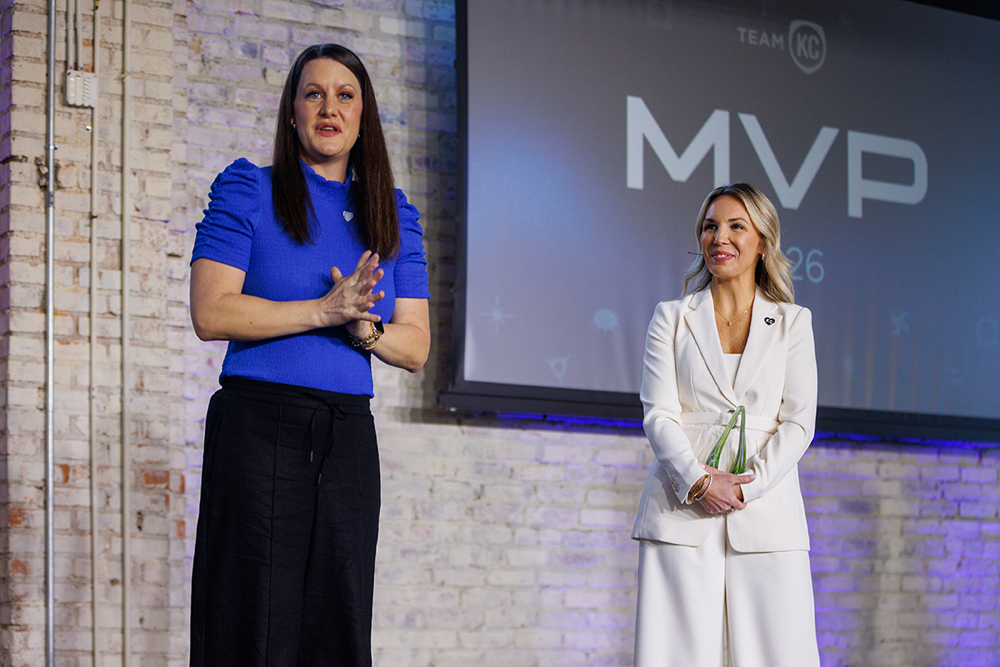
Erin Roebuck in a blue shirt and black skirt on a stage with Danielle Hilton in a white suit, with MVP Award shown on screens behind

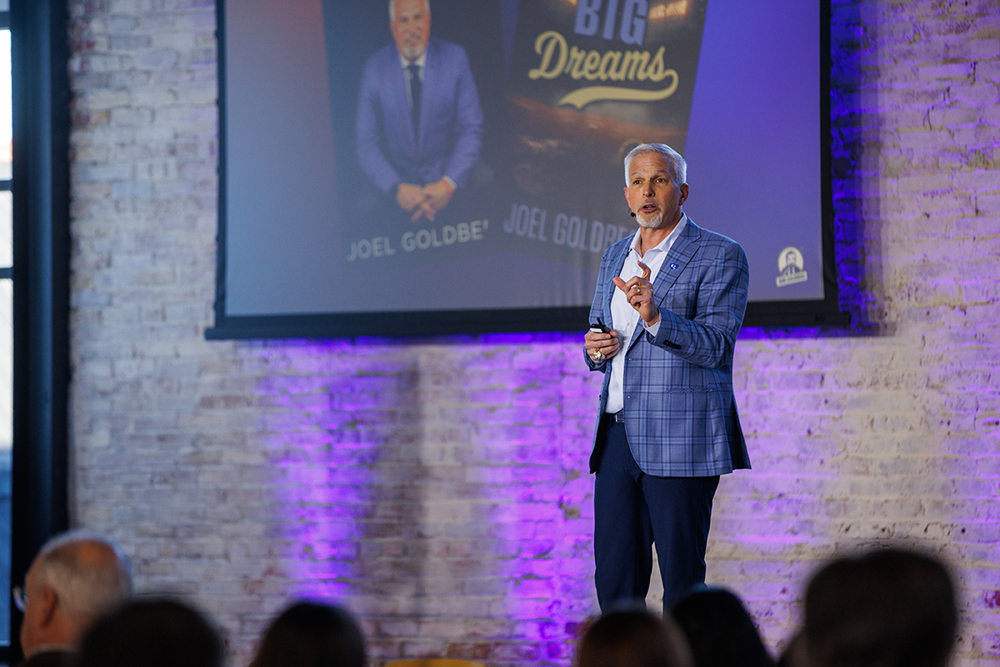
The program featured nationally recognized speakers, including best-selling author Diana Kander and sportscasting legend Joel Goldberg, alongside regional business leaders sharing insights on workforce trends and building trust in an evolving talent environment.

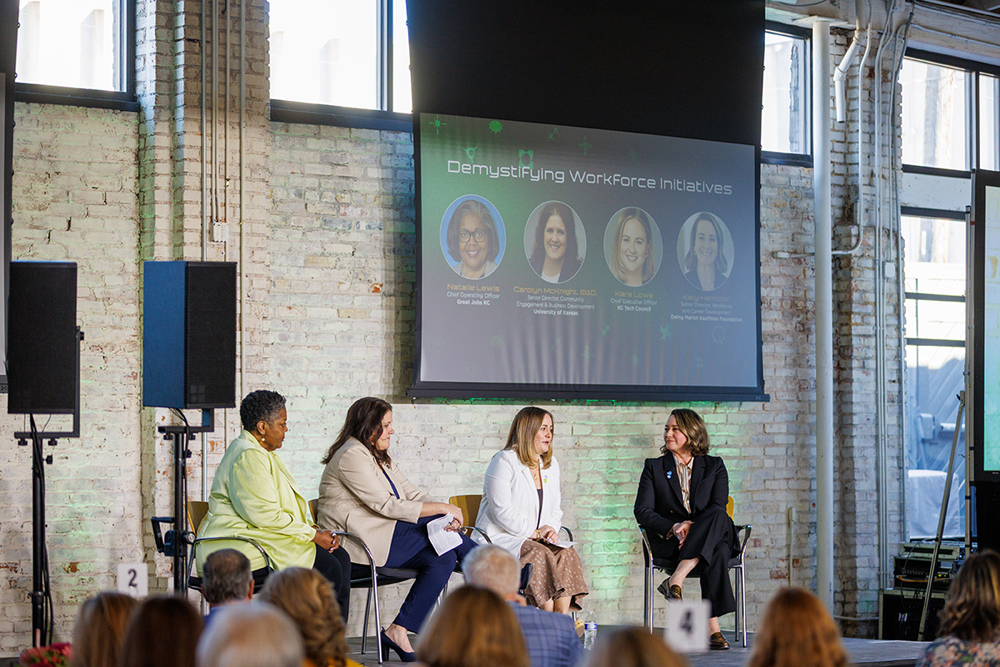
Four panelists seated on a stage

New and Expanded Tools to Strengthen Talent Growth

A central theme of Training Camp 2026 was a sharpened focus on clarity — in messaging, in data and in the candidate experience.

TeamKC highlighted four cornerstone resources designed to give Kansas City employers a competitive advantage:

  • TeamKC Scouting Report: A data-driven snapshot of national workforce trends, the Kansas City region’s talent landscape and actionable recruitment and engagement strategies.
  • KC Options: TeamKC’s award-winning lifestyle and career publication, showcasing the people, places and culture that define life in Kansas City. KC Options remains the most widely utilized resource among employers recruiting to the region.
  • New KC Hype Video: A high-energy, shareable video asset designed to help employers showcase Kansas City’s momentum, vibrancy and opportunity.
  • TeamKC Relocation Guide: A new 50-page guide for KCADC’s 300+ investor companies, delivering clear, practical information — from housing and taxes to neighborhoods and community resources — to help new hires transition seamlessly to life in Kansas City.
Covers of KC Options magazine featuring Lo'eau LaBonta in a black and teal tracksuit

Together, these assets create a full-cycle recruiting toolkit, supporting employers from initial outreach through long-term retention.

“We know what works,” said Danielle Hilton, managing director of TeamKC. “Vibrant visuals. A confident story. And practical tools that make it easier for talent to say ‘yes’ to Kansas City.”

KC Streetcar Authority Honored with 2026 TeamKC MVP Award

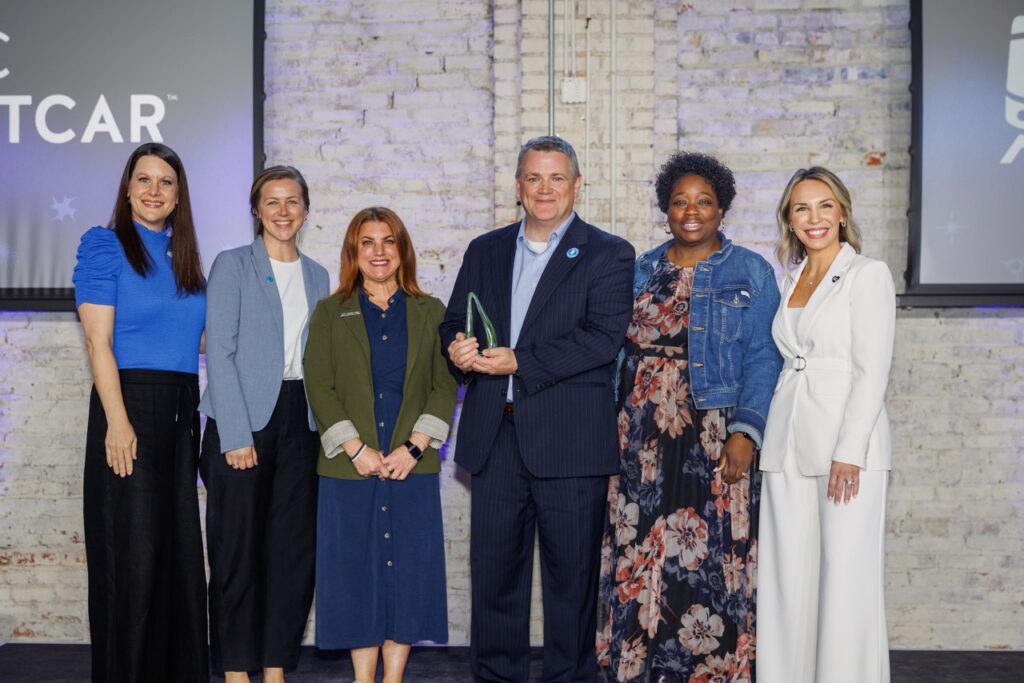
At the event, TeamKC presented its 2026 TeamKC MVP Award to the KC Streetcar Authority for its transformative impact in connecting people and places across Kansas City.

KC Streetcar Authority team standing on stage with Danielle Hilton and Erin Roebuck, holding a green glass award

Awarded annually at Training Camp, the TeamKC MVP Award recognizes an organization that has significantly advanced Kansas City as a top destination for talent. Through expanded access and mobility, the KC Streetcar continues to elevate Kansas City as a place where talent wants to live and work — strengthening urban vibrancy, accessibility and regional connectivity.

Business Growth and Talent Pipeline Move in Lockstep

Training Camp also reinforced the direct connection between business attraction and workforce strategy, celebrating marquee investments TeamKC helped to attract to the region in recent years:

  • Panasonic Energy’s EV battery manufacturing plant, which recently celebrated hiring 1,500 employees.
  • Fiserv’s strategic fintech hub — the largest office project announced in the United States in 2025 — projected to create more than 2,000 jobs in the region.

As a key component of KCADC’s mission, TeamKC supports companies as they expand and invest in the region. Over the past decade, KCADC — together with state, community and business partners — has helped attract projects resulting in more than 30,000 new jobs in the Kansas City region.

“These wins are about more than headlines,” Hilton said. “They strengthen our talent base, diversify our workforce and reinforce Kansas City’s reputation as a place companies — and people — choose.”

Danielle Hilton in a white suite and Alicia Bacon in a green jacket, standing on stage together

TeamKC also highlighted its support for KC employers as they invest in the next generation of talent. In 2025, the TeamKC summer intern program engaged more than 1,000 interns across industries, providing “KC 101” programming, peer networking and immersive experiences designed to connect young professionals to long-term careers in the region.

A Proven Partner for Kansas City Employers

As national competition for talent intensifies, the 2026 TeamKC Training Camp reinforced a clear takeaway: Kansas City’s workforce strategy is coordinated, data-driven and built for scale.

Danielle Hilton in a white suite and Alicia Bacon in a green jacket, standing on stage together

“People show up when they know the why, and feel proud to be part of it,” said Alicia Bacon, TeamKC board co-chair and director of talent acquisition at Netsmart. “Now, more than ever, it’s great to be in KC. We have a swagger. An energy. We are the place to be. You just have to be here.”

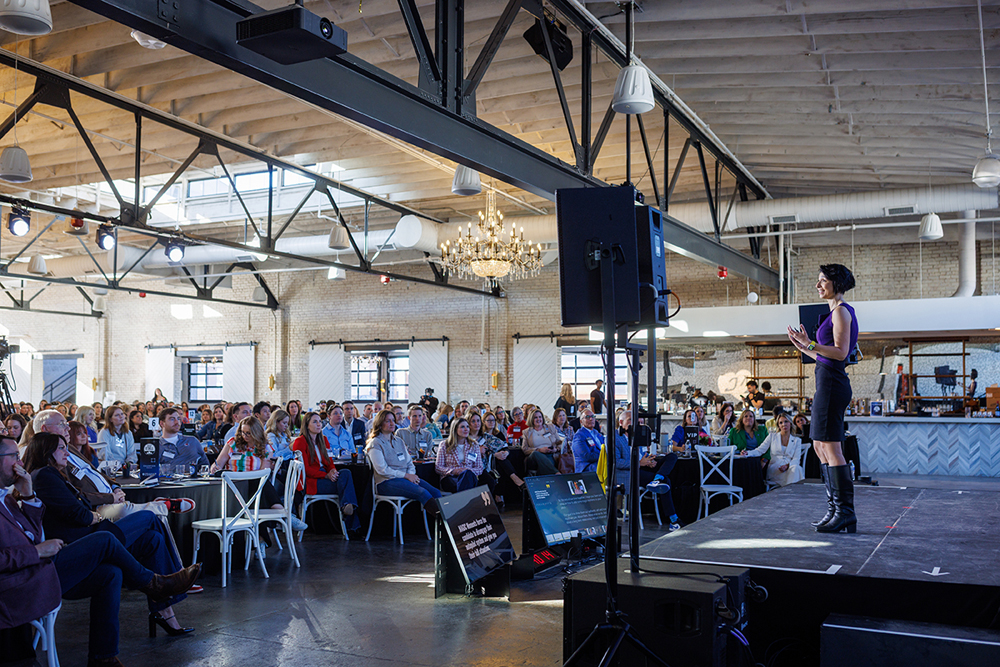
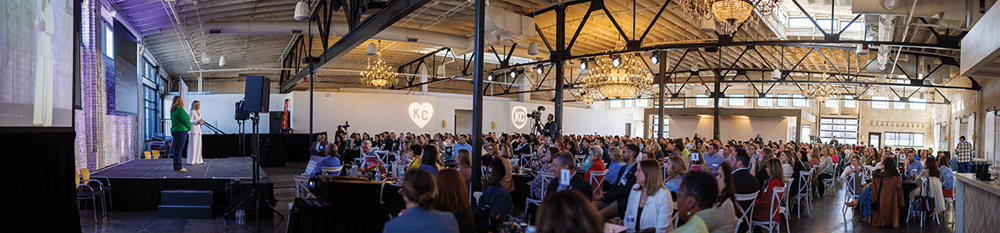
Wide shot of two women on stage addressing hundreds of seated attendees in a large, chic industrial event space

About TeamKC
TeamKC, an initiative of the Kansas City Area Development Council, is the regional authority in positioning KC as a premier talent destination. Working alongside regional partners, TeamKC serves as an extension of recruiting and HR teams at more than 300 major employers, supporting a network of 1,100+ talent leaders — providing the insights, tools and data needed to compete in a rapidly evolving talent market. As the region’s unified talent attraction initiative, TeamKC helps ensure top candidates say “yes” to growing their careers in KC. | teamkc.com

About the Kansas City Area Development Council (KCADC)
The Kansas City Area Development Council is an economic development nonprofit that promotes the OneKC region’s business and lifestyle assets to companies and talent around the world. Working closely with its two states and 50-plus county and community partners, the region has attracted more than 64,000 new jobs over its 45-year history. KCADC also leads the efforts behind the KC Animal Health Corridor, KC SmartPort, TeamKC and KC Global Design. | onekc.org

###

Lambda Doubles Down on Midwest Expansion, To Build AI Factory in Kansas City, MO

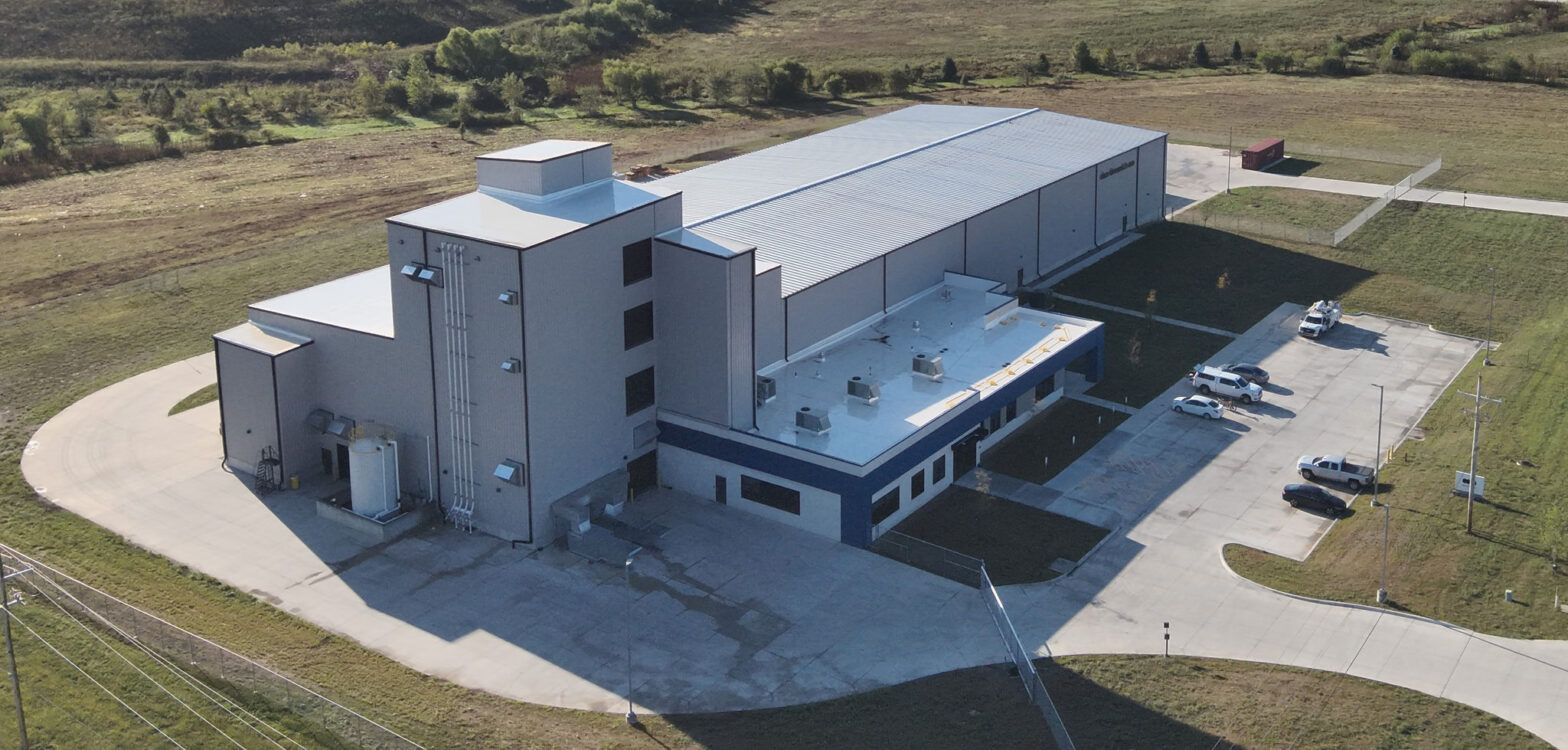
San Francisco, CA – October 28, 2025 – Lambda, the Superintelligence Cloud, today announced it is planning to transform an unoccupied 2009-built facility in Kansas City, Missouri, into a state-of-the-art AI Factory. 

This Kansas City deployment is part of Lambda’s mission to build the infrastructure backbone for the Superintelligence era. Under the agreement, Lambda is planning to develop and operate the facility as the sole tenant. The site is expected to launch in early 2026 with 24MW of capacity, and the potential to scale up to more than 100MW in the future.

“Missouri is proud to welcome Lambda as they create new, high-quality jobs and strengthen our state’s technology and innovation ecosystem,” said Governor Mike Kehoe. “Their decision to grow here demonstrates the confidence that leading companies have in our people, our infrastructure, and our pro-business environment. It’s been said that AI is the space race of our time, and we must win. Data centers are the future and critical to our continued ability to drive technological innovation, strengthen our economy, and safeguard our national security interests. Partnerships like this ensure Missouri remains at the forefront of America’s winning strategy.”

“Our Kansas City development perfectly embodies Lambda’s strategy: a prime location for our customers, an accelerated deployment timeline, and an unwavering commitment to on-time delivery,” said Ken Patchett, VP of Datacenter Infrastructure at Lambda. “We believe this success stems from completely rethinking how AI factories should be built and operated.”

Building big, shipping fast

When the facility launches in early 2026, it will initially feature more than 10,000 NVIDIA Blackwell Ultra GPUs—a footprint expected to double over time. The supercomputer is dedicated to a single Lambda customer for large-scale AI training and inference, under a multi-year agreement.

“Today in Kansas City, we are building the infrastructure to capitalize on AI’s boom,” said Mayor Quinton Lucas. “An investment of this scale in the Northland highlights our city’s strength in technology, innovation, and job creation, and brings an empty asset back to life through creative reuse.”

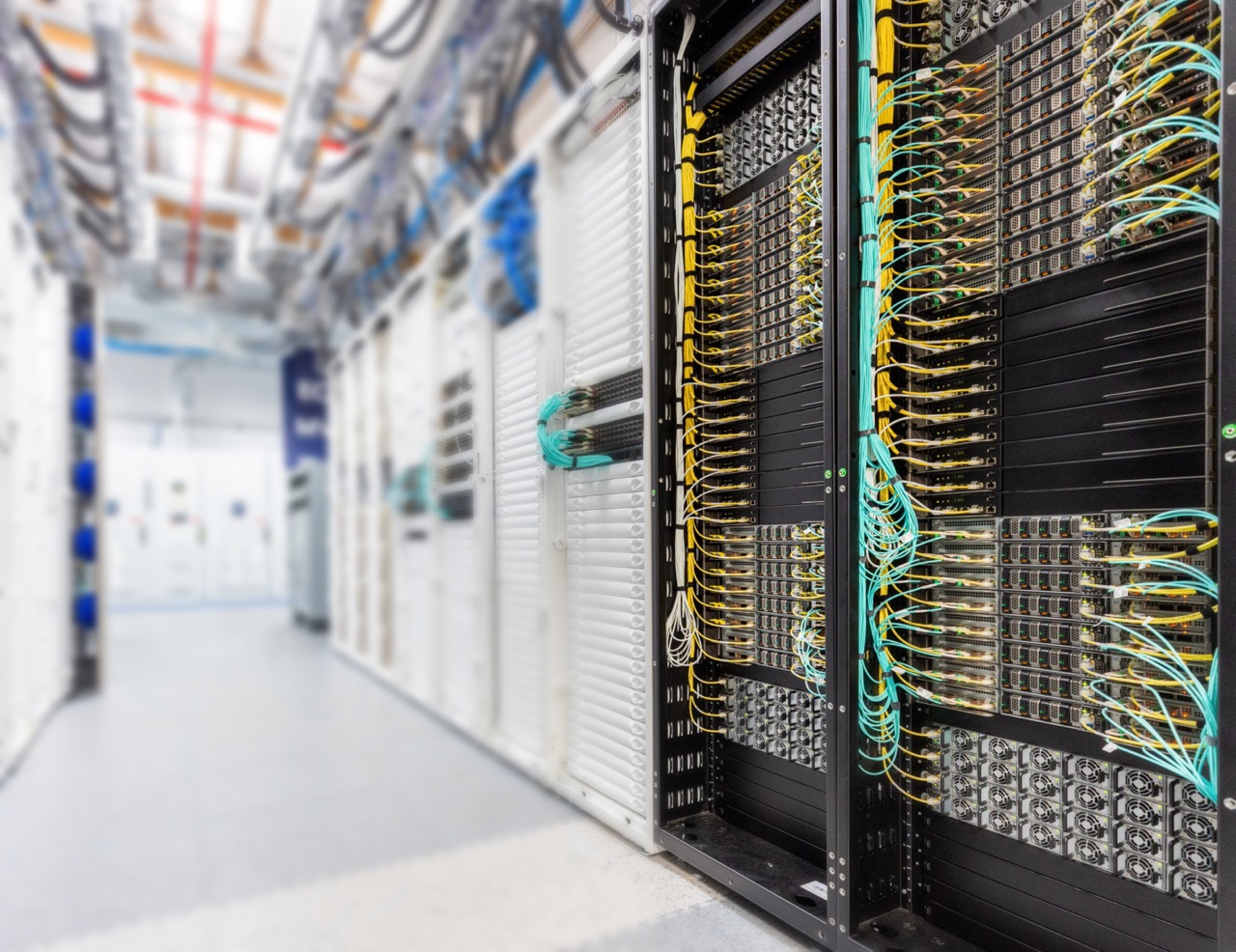
The project enables Lambda to repurpose unused power and transform a formerly advanced data center into an AI-ready, future-proofed facility.

“Choosing Kansas City, Missouri, for a next-generation AI data center sends a clear message: Missouri is the tech leader in the center of the country,” said Subash Alias, CEO of Missouri Partnership. “We applaud Lambda for building an AI factory in the heart of the U.S. This is a generational investment that will expand opportunity for Missourians and accelerate the digital economy.”

“This investment from Lambda showcases the Kansas City region’s ability to creatively reimagine assets and attract transformative investment,” said Tim Cowden, President and CEO, Kansas City Area Development Council. “Data centers are critical to powering the innovation economy, and Kansas City wields the strength of infrastructure, reliable power, and a deep IT talent pool that continues to draw leading technology companies to the region.”

“Lambda’s investment in the Kansas City area emphasizes our state’s growing strength in technology and innovation,” said Michelle Hataway, Director of the Department of Economic Development. “DED is proud to support future-focused projects like this that enhance our workforce, drive sustainable growth across the region, and create opportunities for Missourians to prosper.”

This project was made through many local partners in Kansas City including the State of Missouri, Missouri Dept. of Economic Development, Missouri Partnership, Kansas City Area Development Council (KCADC), Platte County EDC, City of Kansas City, Mo., Economic Development Corporation of Kansas City, Mo., Port KC, Evergy, Spire, Inc., KC Tech Council, Russell Construction, Henderson Engineers, U.S. Engineering, and Capital Electric.


About Lambda

Lambda, The Superintelligence Cloud, builds gigawatt-scale AI factories for training and inference. From prototyping to serving billions of users in production, we build the underlying infrastructure that powers AI. Lambda was founded in 2012 by published AI engineers.

Lambda’s mission is to make compute as ubiquitous as electricity and give everyone in America the power of superintelligence. One person, One GPU.

Forward Looking Statements
This press release contains forward-looking statements about the company and its business, including its expectations regarding data center capacity, based on management’s beliefs, assumptions, and expectations. Words such as “anticipate,” “believe,” “continue,” “estimate,” “expect,” “future,” “intend,” “plan,” and “will,” or similar expressions, are intended to identify forward-looking statements. These statements are based on management’s current expectations, are not guarantees of future performance, and are subject to risks and uncertainties that could cause actual results to differ materially from those expressed or implied.

Lambda Press Contact
pr@lambdal.com

2026 Transportation Outlook

by Mary Boetcher | Intern, KC SmartPort

The transportation industry stands at a pivotal moment of transformation. Once defined by physical infrastructure and fuel costs, the sector is now being reshaped by intelligent technologies, shifting workforce dynamics and a growing emphasis on environmental sustainability. As global supply chains grow more complex, transportation leaders are rethinking their strategies for long-term impact.

The rise of automation, the acceleration of electrification and the changing role of labor in a tech-enabled industry are no longer future considerations. They are active drivers of competitiveness and are reshaping how goods and people move across the world.

Download Full Report

Water | Smarter Ships Amid Supply Chain Uncertainty

The global water transport market was projected to hit $618.04 billion by the end of 2024, driven by expanding international trade, increased demand for energy-efficient vessels and innovations in logistics technology — and while it ultimately fell just short of that mark, recent estimates show it came very close, highlighting strong sector resilience and steady growth.

That year, the barge sector rebounded from earlier disruptions, powered by increased investment in infrastructure and environmental regulations. Companies began adopting digital tools and automation to streamline their operations and improve transparency, while also focusing on cleaner fuels and sustainability initiatives to reduce their environmental impact. 

Ports worldwide are now investing in smart infrastructure and greener practices, aiming to support stricter emissions standards and reduce overall environmental impact. Growth remains strong despite challenges from fluctuating fuel costs and the uncertain pace of economic recovery.

As inland and ocean transport providers invest in modernization and sustainability, the pressure on shippers to adapt continues to grow. While carriers capitalize on increased demand and pricing power, ongoing issues, including congestion, labor constraints and climate risks could accelerate a shift toward more localized supply chains.

Air | Air Travel Reinvented: Efficiency Meets Accountability

In 2024, the aviation industry reached a critical inflection point, driven by sustainability and digital transformation.

Airlines and airports started using more sustainable aviation fuel (SAF) to cut down on emissions. At the same time, the International Civil Aviation Organization (ICAO) introduced an extensive plan called “Safe Skies, Sustainable Future” to guide the industry toward cleaner, safer skies from now through 2050. 

Meanwhile, breakthroughs in AI, biometrics, predictive maintenance and automation have enhanced efficiency and data-driven decision-making.

Despite progress, many industry insiders warn that current climate mitigation efforts fall short. Critics argue that the aviation industry relies too heavily on carbon offset programs instead of focusing on long-term solutions that reduce emissions and increase accountability.

In response, ICAO has started pushing digital upgrades and green fuel standards. Still, politics are getting in the way — such as when the U.S. pushed back on rules that seemed to favor Brazil’s farming methods for producing SAF.

Road | Logistics Reimagined with AI and Automation

The future of the road transportation industry is fueled by technology, sustainability and a changing labor landscape. As operations become more complex, companies are increasingly relying on advanced technologies like AI and automation to optimize routes, cut fuel use and enhance safety. Technology, including GPS tracking, smart maintenance tools and cloud software, is becoming more common, helping fleets run more smoothly and adapt more easily.

Labor shortages remain a critical challenge, pushing the industry to reimagine recruitment, retention and training. Automation is necessary for keeping up with demand and technology can be a useful tool for combating workforce issues. Transportation companies are increasingly turning to digital marketing and online platforms to engage customers, attract talent and build resilience in an unpredictable economic environment.

Looking ahead, the companies that succeed will be the ones that leverage technology to stay flexible, invest in greener infrastructure and adapt quickly to changes in the workforce and market. The future of transportation won’t just be about being fast and eco-friendly — it will also require industry players to be smart, connected and ready to evolve.

Rail | Rail’s Revival in Motion

The U.S. rail industry is undergoing a strategic shift after years of prioritizing cost-cutting through Precision Scheduled Railroading (PSR).

While PSR improved efficiency and boosted profits, it also reduced flexibility, strained labor capacity and contributed to service issues — prompting backlash from shippers and regulators. With freight volumes recovering and government infrastructure funding on the rise, the industry is now refocusing on clean energy, resiliency and customer service.

The push for sustainability amplifies rail’s long-term value. With a lower carbon footprint than trucking, rail is well-positioned to benefit from reshoring trends and stricter environmental standards.

Rail companies are stepping up their digital efforts, using tools like AI and predictive analytics to improve maintenance, safety and day-to-day operations. At the same time, major investments in smart infrastructure, modern signaling and clean energy are driving the growth of high-speed passenger rail around the world. While most high-speed development is focused on passenger service, these advancements also support industrial freight networks through shared technology and long-term system integration.

As railroads modernize, their ability to compete will depend on how effectively they scale new technologies, build collaborative ecosystems and attract skilled labor. Momentum is building, but the sector’s future hinges on its ability to evolve to a more agile, tech-enabled and customer-centric model.

Forecast | What Will Define the Next Five Years

Over the next three to five years, several key developments are expected to reshape the transportation landscape — driven by innovation, shifting market demands, and a renewed focus on efficiency, resilience and sustainability. 

AI and Automation Maturity: AI is quickly shifting from small test projects to widespread use across all aspects of industry.

In logistics alone, 38% of companies are already using AI, and the AI-in-transportation market is projected to grow from $3.8 billion in 2024 to $9.3 billion by 2029 — potentially cutting costs by as much as 50%. Tools including predictive analytics, self-driving systems and AI-powered operations are becoming the norm as the industry moves toward smarter infrastructure.

Sustainability as a Competitive Driver: Sustainability is no longer just about compliance  it’s a key competitive strategy.

In water transport, greener vessels and digitized ports are driving growth, while aviation and rail are evolving with lower-emission fuels and more efficient technologies to meet environmental goals. On the roads, electric vehicles and trucks are no longer niche — they’re quickly becoming the industry standard. Across all modes, sustainability is reshaping long-term investments, operational models and competitive positioning. 

Workforce Redesign: Ongoing labor shortages are pushing companies to rethink roles and invest in both people and automation. 

Rather than replacing workers, digital tools, including AI, drones and predictive platforms, are used to augment human capabilities and streamline operations. These technologies help reduce repetitive tasks and allow employees to focus on more strategic, high-value work.

At the same time, the industry is grappling with an aging workforce and a lack of young employees entering the industry. In response, companies are investing in reskilling, offering more flexible roles and rebranding logistics careers to appeal to tech-savvy talent. The most competitive organizations are aligning workforce strategies with digital transformation. 

The Edge of What’s Next

The transportation industry is no longer defined by its modes — air, water, road or rail — but by how intelligently, sustainably and flexibly it operates across all transportation modes. 

As the industry navigates this pivotal moment, success will favor those who strategically leverage technology, prioritize sustainability and adapt to workforce dynamics — using each to mitigate risk and build resilient operations in an increasingly unpredictable environment. 

Download Full Report

Change Your Talent Game | 2025 TeamKC Training Camp Recap

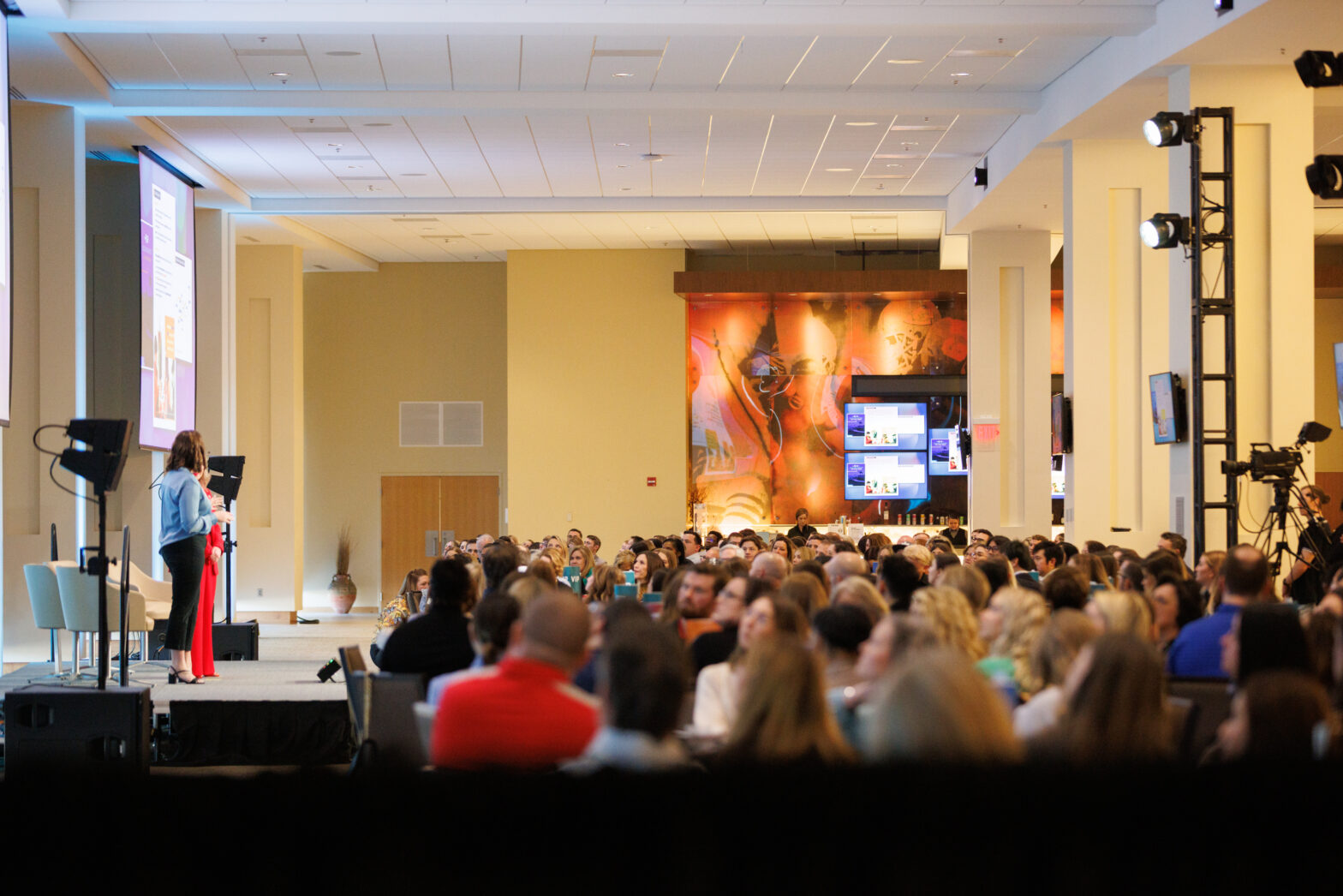
The 2025 TeamKC Training Camp gathered nearly 400 all-star recruiters, HR leaders and community partners to build connections, share actionable insights and stay ahead of the latest talent trends. 

TeamKC leaders shared the 2025 game plan — with intention to make the network even stronger through collaboration, thought leadership and expertly-crafted tools that attract the best and brightest to the KC region. 

The 2025 TeamKC MVP, KC Current, was announced and Dani Welniak, VP of Communications, shared an exciting look at the momentum the team continues to build in women’s sports. 

Our speakers brought the energy! 

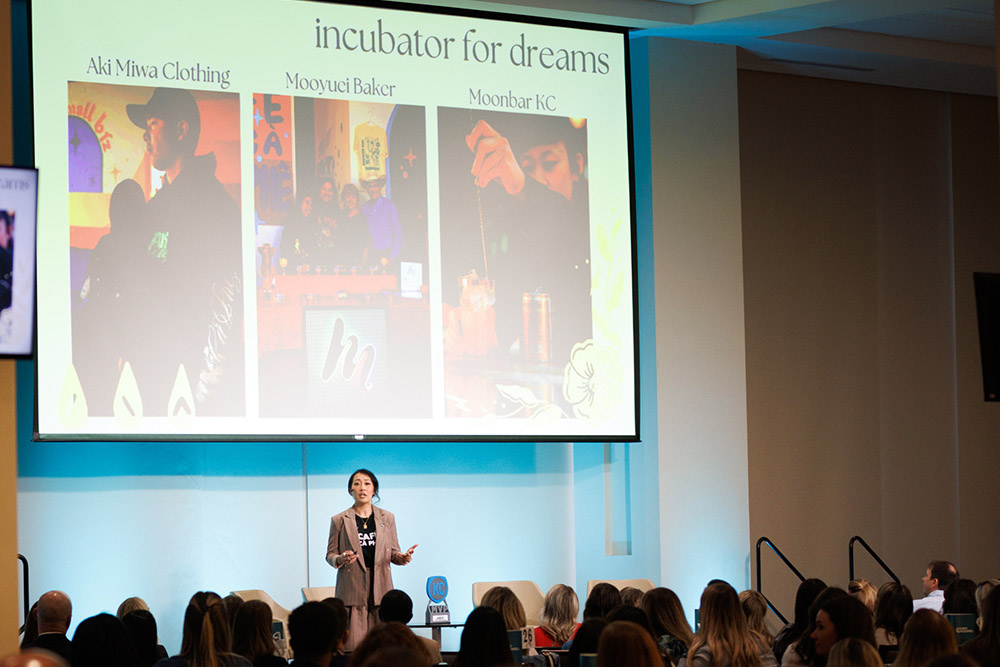
  • Jackie Nguyen, CEO of Cafe Cà Phê, shared her KC story and outstanding practices as an employer. 
  • Leaders from Leva, Garmin, SEPOW and Digital Health KC shared insights on the Tech + Human Connection panel. 
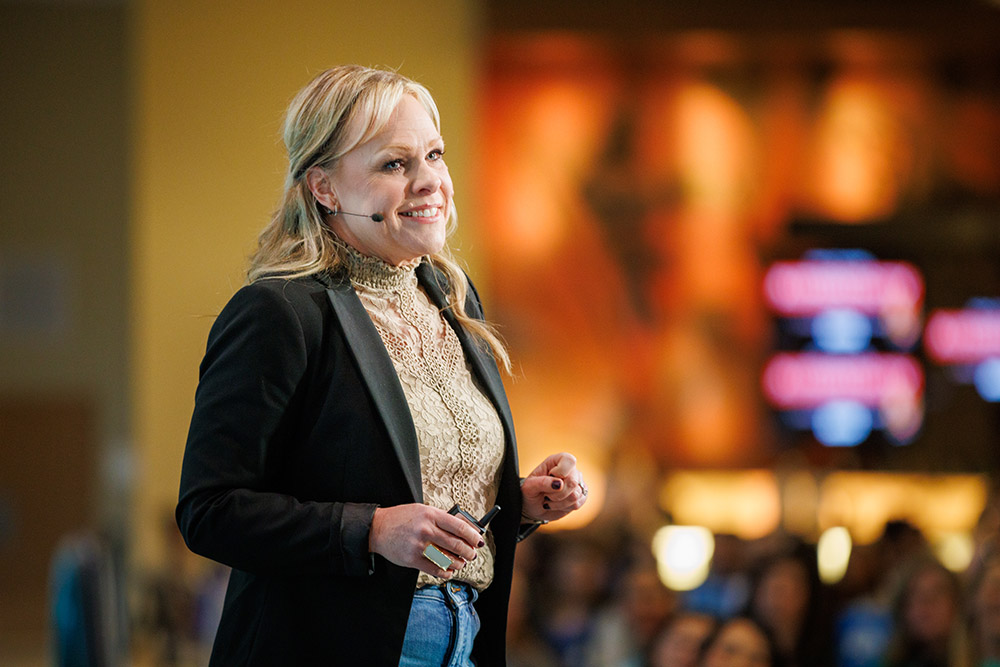
  • Our keynote speaker, Erin Hatzikostas, brought it home with a message on how employers can use authenticity as a strategy in the workplace. 

Check out all the photos from 2025 TeamKC Training Camp.

Your Next Steps:

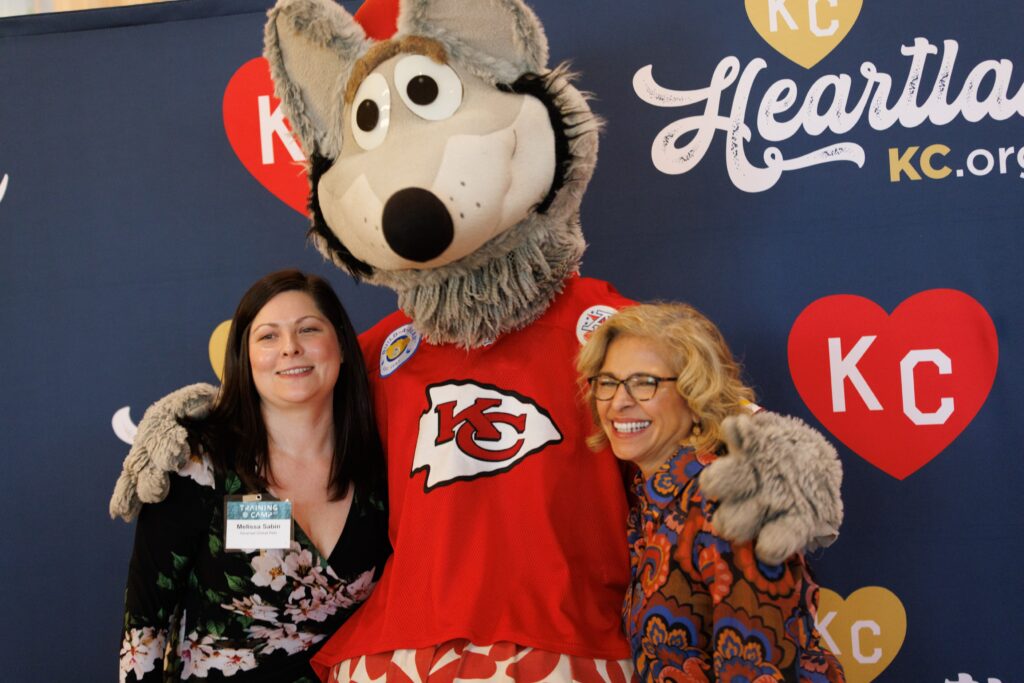
KC Wolf puts arms around two women in front of a kc.org banner.

5 Ways KC is the MVP of Sports Architecture

Kansas City’s is the unparalleled capital of the world for sports architecture, with some of the biggest names in the industry.

  1. Nearly half of sports architecture around the world originates in the KC region.
  2. KC firms were key to the design of 27 of the 30 NFL Stadiums.
  3. Nearly every Super Bowl stadium still in use by the NFL was designed, engineered or renovated by KC firms – including those used in 19 of the last 21 Super Bowls.
  4. Kansas City created the gold standard for Olympic stadiums.
  5. KC firms have been key to the design of 13 of the 16 FIFA World Cup 26™ stadiums, including 10 of 11 across the U.S., with capacity for more than 850,000 fans combined.

But KC’s design story is even bigger than sports. Check out 14 Reasons Kansas City is a Top Design City.