Putting AI to Work: What’s Now and What’s Next

It’s one of the most pressing topics in hiring today: how artificial intelligence is reshaping the way organizations attract, evaluate and onboard talent.

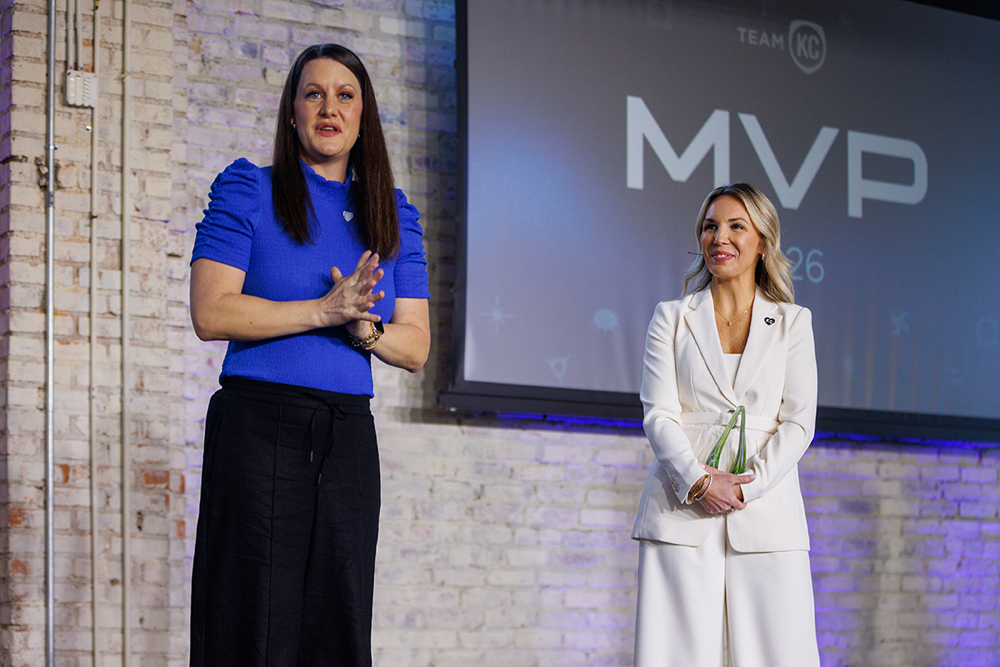
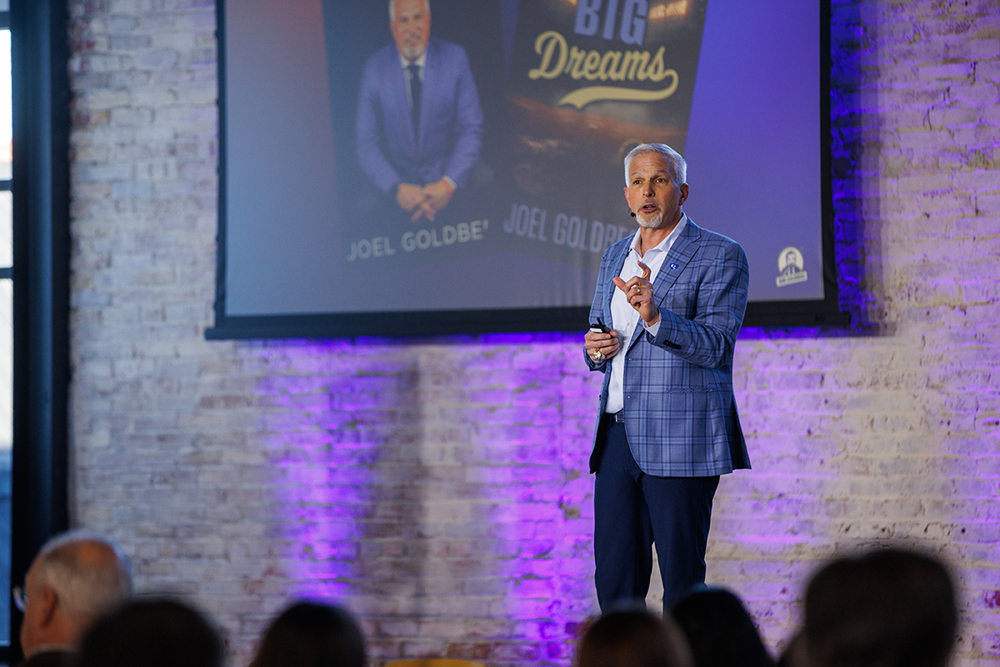
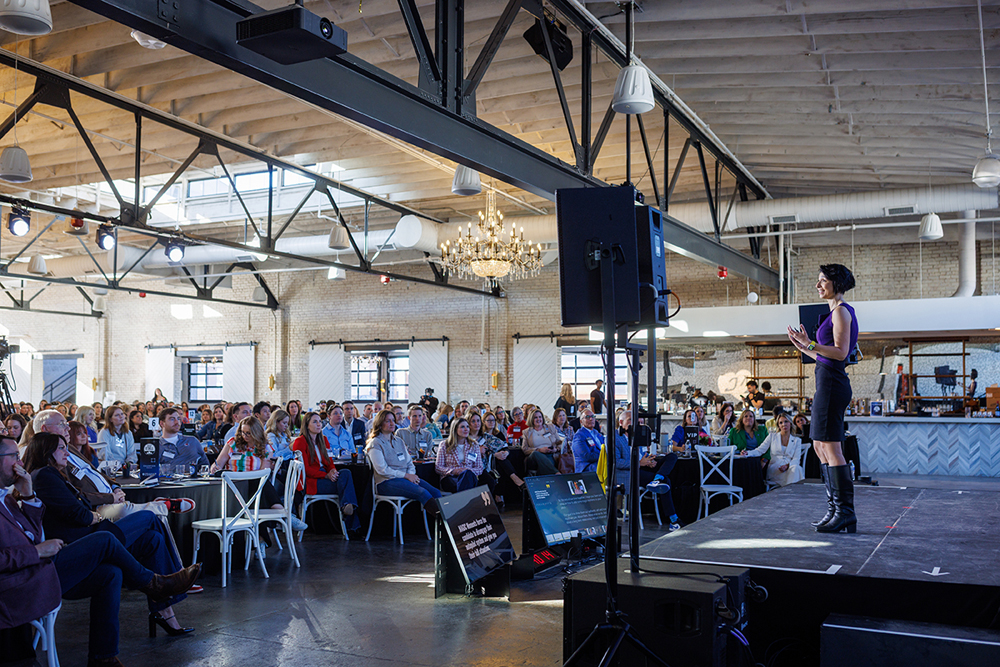
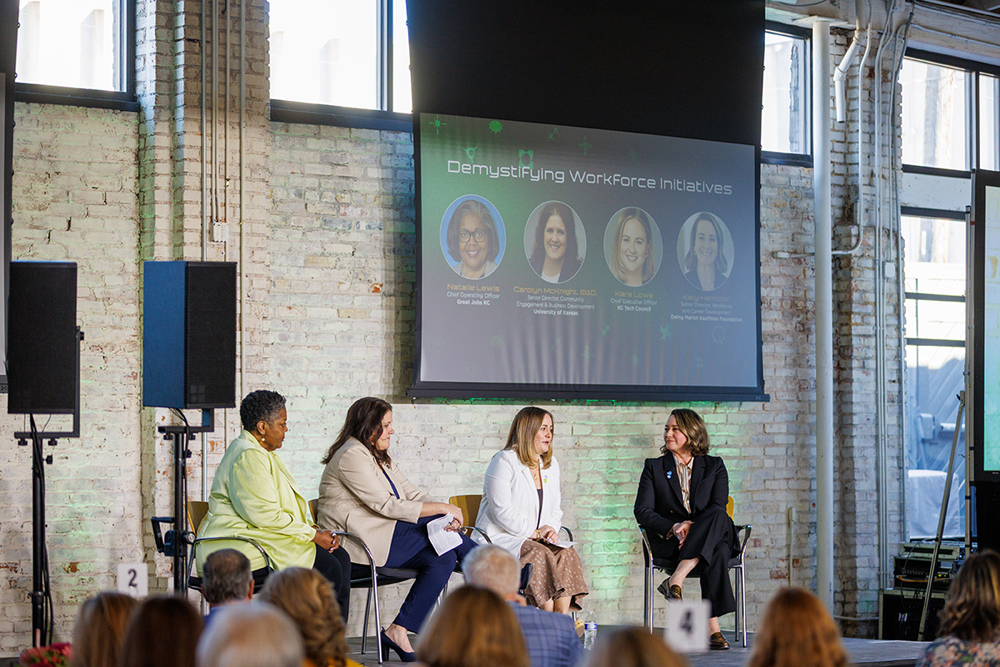
At a recent TeamKC Roundtable, the network explored real-world examples of what’s working, what still needs human oversight and what policies teams need to drive forward as AI accelerates. Moving far beyond an interesting tool, AI has evolved to become a true thought partner, shaping talent strategies in profound ways.

Key Takeaways:

  • Before diving headfirst into AI, clearly define a problem in order to select the right tool.
  • Do your homework – understand the tool, its limits and how it fits your team.
  • Maintain the human element – treat AI as an enhancer (not a replacement) for the relationships and judgment that define effective talent work.

Dive Deeper

Leaders are increasingly using AI to test tone, translate experience, identify personality traits aligned with team needs and help pinpoint what hiring managers may be overlooking. “If you’re not evolving, you’re moving toward extinction” — a reminder that as candidate expectations shift and applications surge, integrating AI thoughtfully is becoming a necessity, not a luxury.

High-growth organizations are leaning on AI to streamline manual steps, including interview scheduling, resume ranking, sifting for specific skills and matching candidates to the right teams. Many are actively training their platforms so systems better understand company philosophy and the nuances of successful hires. Others have opted to build their own tools for stronger security, consistency and the ability to flex for different workflows.

The rise in efficiency also brings new risks. 

A flood of applicants, many of them fraudulent or AI-generated, has made it harder to separate genuine, qualified people from bots or impersonators. Leaders emphasize the importance of combining AI with human intuition to find the best candidates possible.

Despite the challenges, AI is already reducing headaches.

AI can be great at handling tasks like automated email and communications plans, drafting/consolidating job descriptions, pulling market data, translating military or technical jargon and compiling interview transcripts. This frees up recruiters to stay focused on tone, personality and connection. 

Taken together, these principles provide a roadmap for using AI thoughtfully, maximizing its benefits while keeping human judgment at the center of talent decisions.

Unlock insights, resources and connections to elevate your talent strategy — connect with TeamKC today!

When an Industry Shows Up, a Generation of Potential Grows

One of the questions we hear most often about our workforce priorities is: How do you measure the impact of talking to middle school and high school educators about career exploration in animal health? It’s a fair question and one we’ve reflected on deeply.

The truth is, it’s nearly impossible to draw a clean line from a single conversation with a teacher to a student ultimately stepping into a career in our industry. There’s no dashboard, no tidy funnel, no tracking mechanism that tells us which young minds were influenced by the resources, stories and insights we share.

But does that mean we stop? Absolutely not.

In a world where organizations rely on KPIs and measurable outcomes to justify their time, it’s easy to overlook the kind of work that shapes long-term possibility rather than short-term metrics. Inspiring future talent doesn’t fit neatly into a spreadsheet and that’s exactly why it requires leadership, commitment and collective effort.

In early December, we attended the National Association of Agricultural Educators Conference (NAAE) in Nashville. We spoke with more than 500 educators, from seasoned teachers to students preparing to enter the classroom for the first time. No matter what their level of experience, their reactions were strikingly consistent. Their first question was: “Are these resources free?” And when they learned that an entire industry rallied together to create, brand and share tools designed specifically to help them guide the next generation, they were amazed.

In that moment, the measurement became clear. Not in data points, but in human moments.

Not in metrics, but in momentum.

When educators feel supported, students feel possibility. When an industry shows up, a pathway appears.

We may never know exactly how many students choose animal health because of something they heard, saw or explored through the resources we have developed on exploreahcareers.com. But we do know one thing with absolute certainty: doing nothing guarantees we lose future talent to industries that consistently show up in classrooms.

If educators, students and parents only hear about careers in crop science and equipment, which are excellent careers, then we risk offering young people only a narrow snapshot of what agricultural innovation looks like. Our field has so much more to give. From science and technology to business, care, innovation and global impact, animal health holds a world of opportunity.

Building the next generation of talent isn’t the job of one company. It’s the responsibility and the opportunity of an entire industry.

By standing together, investing together and showing up together, we are shaping not only who enters animal health tomorrow, but how they see themselves today. And while we may not be able to measure that in numbers, we can measure it in purpose.

And purpose is what builds an industry’s future.

Innovation Shop Talk: Designing Spaces for Human Connection

KC Global Design’s latest Innovation Shop Talk brought together leaders across workplace strategy, real estate and design to explore how the next era of the built environment will be defined — not by square footage or capacity, but by connection. 

As organizations navigate new expectations around culture and employee experience, one message is clear: spaces that foster belonging create lasting value.

Key Takeaways

Designing for Belonging

Traditional markers for real estate success no longer reflect what employees need most. Instead, intentional design that prioritizes comfort, inclusion and a sense of welcome is reshaping how companies think about their spaces.

A hospitality approach — conversation-friendly spaces, amenities that bond and details that encourage people to engage — helps employees feel rooted and supported.

Connection as a Cultural Strategy

Connection is not a byproduct of culture; it’s a strategic decision. People may choose a job for opportunity, but they stay when they feel they belong.

Surveys show employees feel most connected to their organization’s culture while in the office, emphasizing the role of physical space in talent retention. Elements like food, coffee, art, music and natural light aren’t luxuries; they’re catalysts for everyday changes that build culture. 

Measuring the Emotional Experience 

The emotional side of the workplace is no longer just an abstract moving target. Organizations are leaning into surveys and engagement data to identify where connection naturally occurs, then intentionally enhancing those moments through thoughtful design. 

Flexible Spaces for a Multi-Generational Workforce

With five generations now sharing the workplace, flexibility is essential. Successful environments offer a spectrum of options: places for deep focus, areas for collaboration and informal settings for conversation. Designing for this range ensures that every employee can find a space that suits their work style, fostering comfort and independence. 

Looking Ahead

The future of workplace design is rooted in one belief: life runs on the rails of relationships. When organizations invest in spaces that make connection easy and authentic, they strengthen not only productivity but community, well-being and long-term retention.

As companies continue adapting their spaces, the commitment to thoughtful, people-first design will shape workplaces that inspire, support and keep talent rooted in Kansas City.


We’re grateful to JE Dunn for hosting this event in their brand new space designed by Helix Architecture + Design. And thank you to our moderator Sarah Brengarth (Gensler) and our panelists Chris Harren (Country Club Plaza), Tom Herzog (Netsmart) and Sara Greenwood (Greenwood Consulting).


KC Global Design: Elevating A/E/C Thought Leadership

This session is part of a series that brings together thought leadership to stimulate innovative design thinking across KC’s design + construction industry and the broader business community.

View all KC Global Design programming

How to Engage Community in a NIMBY World

Guest Authored by Jeanine Jerkovic

No, you’re not imagining it: Anti-development and anti-growth sentiments are on the rise nationally. Whether it’s feelings of areas being ‘good as they are,’ overdevelopment concerns or just not trusting local government, 26% of Americans reported actively opposing a new development in a January 2025 Emerson College Polling survey. 

In the face of NIMBYism (Not in My Backyard), economic developers must master authentic community engagement, partnerships and public relations like never before. It’s time to rethink our approach and reenergize communities around the opportunities that come with local growth.

Rethinking NIMBYism

The environmental NIMBY resistance to nuclear power plants and landfills of the ‘50s and ‘60s is past. Today, the concerns are more far-reaching and the backyard is larger. 

  • A wider lens: Today’s NIMBY covers public health, social justice and impact on property values.
  • All about the Backyard: Opposition is not necessarily to the project, housing, retail or otherwise on principle as much as it is location-based.
  • Who benefits from growth: Community members may not feel a personal benefit to themselves or their community — only the developers’ interests.
  • More challenging than ever: As public concerns about growth become more organized and vocal, economic developers must rise to the occasion with bold, creative strategies, including persuasive communication.

Reframing the Conversation

Reframing development and growth can be a tall order, but getting the community invested in new housing and retail projects, showing up and participating, can balance out naysayers to shine light on the overall vision. Here’s how:

  • You have to care first: Consistently show residents, through actions, direct outreach and candid conversations that you care about them and are empathetic to their concerns. All opinions stem from people caring about their community.
  • Ease friction through open communication: Simplifying confusing project attraction processes turns support and participation into easier asks.
  • Listen up: Host public work sessions and forums to gauge community sentiment and empower them with information. Use tools, including social media, to shape narratives and counter resistance.
  • Leaders set the tone: Prep civic leaders with the facts – their visible actions and energy shape the way community members feel about development and growth. 

Reenergize your Community

Harnessing local energy and strategic engagement can turn big dreams into real progress. 

  • Identify a community’s rallying point: Identify a shared communal value to use as a foundation for framing the overall benefit to residents. 
  • Make the process enjoyable and inclusive: Invite residents to fall in love with the vision and contribute unique insights.
  • Activate the power of social media: Give residents tools to engage and champion efforts online. Spreading the long-term benefits to fearful neighbors from the mouths of those they trust the most: each other. 

Even anti-growth voices often stem from a desire for a better future. By listening and involving residents and voters, we can build communities ripe for growth — shaped and supported by the people who live there.

Jeanine Jerkovic is the Economic Development Director for Surprise, AZ, bringing new retail and employment opportunities to the community. Connect on LinkedIn.


Ready to turn community resistance into community momentum? The KCADC team and our partners are here to help you navigate local engagement with confidence and clarity. Contact us to learn more.

Lambda Doubles Down on Midwest Expansion, To Build AI Factory in Kansas City, MO

San Francisco, CA – October 28, 2025 – Lambda, the Superintelligence Cloud, today announced it is planning to transform an unoccupied 2009-built facility in Kansas City, Missouri, into a state-of-the-art AI Factory. 

This Kansas City deployment is part of Lambda’s mission to build the infrastructure backbone for the Superintelligence era. Under the agreement, Lambda is planning to develop and operate the facility as the sole tenant. The site is expected to launch in early 2026 with 24MW of capacity, and the potential to scale up to more than 100MW in the future.

“Missouri is proud to welcome Lambda as they create new, high-quality jobs and strengthen our state’s technology and innovation ecosystem,” said Governor Mike Kehoe. “Their decision to grow here demonstrates the confidence that leading companies have in our people, our infrastructure, and our pro-business environment. It’s been said that AI is the space race of our time, and we must win. Data centers are the future and critical to our continued ability to drive technological innovation, strengthen our economy, and safeguard our national security interests. Partnerships like this ensure Missouri remains at the forefront of America’s winning strategy.”

“Our Kansas City development perfectly embodies Lambda’s strategy: a prime location for our customers, an accelerated deployment timeline, and an unwavering commitment to on-time delivery,” said Ken Patchett, VP of Datacenter Infrastructure at Lambda. “We believe this success stems from completely rethinking how AI factories should be built and operated.”

Building big, shipping fast

When the facility launches in early 2026, it will initially feature more than 10,000 NVIDIA Blackwell Ultra GPUs—a footprint expected to double over time. The supercomputer is dedicated to a single Lambda customer for large-scale AI training and inference, under a multi-year agreement.

“Today in Kansas City, we are building the infrastructure to capitalize on AI’s boom,” said Mayor Quinton Lucas. “An investment of this scale in the Northland highlights our city’s strength in technology, innovation, and job creation, and brings an empty asset back to life through creative reuse.”

The project enables Lambda to repurpose unused power and transform a formerly advanced data center into an AI-ready, future-proofed facility.

“Choosing Kansas City, Missouri, for a next-generation AI data center sends a clear message: Missouri is the tech leader in the center of the country,” said Subash Alias, CEO of Missouri Partnership. “We applaud Lambda for building an AI factory in the heart of the U.S. This is a generational investment that will expand opportunity for Missourians and accelerate the digital economy.”

“This investment from Lambda showcases the Kansas City region’s ability to creatively reimagine assets and attract transformative investment,” said Tim Cowden, President and CEO, Kansas City Area Development Council. “Data centers are critical to powering the innovation economy, and Kansas City wields the strength of infrastructure, reliable power, and a deep IT talent pool that continues to draw leading technology companies to the region.”

“Lambda’s investment in the Kansas City area emphasizes our state’s growing strength in technology and innovation,” said Michelle Hataway, Director of the Department of Economic Development. “DED is proud to support future-focused projects like this that enhance our workforce, drive sustainable growth across the region, and create opportunities for Missourians to prosper.”

This project was made through many local partners in Kansas City including the State of Missouri, Missouri Dept. of Economic Development, Missouri Partnership, Kansas City Area Development Council (KCADC), Platte County EDC, City of Kansas City, Mo., Economic Development Corporation of Kansas City, Mo., Port KC, Evergy, Spire, Inc., KC Tech Council, Russell Construction, Henderson Engineers, U.S. Engineering, and Capital Electric.


About Lambda

Lambda, The Superintelligence Cloud, builds gigawatt-scale AI factories for training and inference. From prototyping to serving billions of users in production, we build the underlying infrastructure that powers AI. Lambda was founded in 2012 by published AI engineers.

Lambda’s mission is to make compute as ubiquitous as electricity and give everyone in America the power of superintelligence. One person, One GPU.

Forward Looking Statements
This press release contains forward-looking statements about the company and its business, including its expectations regarding data center capacity, based on management’s beliefs, assumptions, and expectations. Words such as “anticipate,” “believe,” “continue,” “estimate,” “expect,” “future,” “intend,” “plan,” and “will,” or similar expressions, are intended to identify forward-looking statements. These statements are based on management’s current expectations, are not guarantees of future performance, and are subject to risks and uncertainties that could cause actual results to differ materially from those expressed or implied.

Lambda Press Contact
pr@lambdal.com

2025 KCADC Annual Meeting Highlights OneKC, Celebrating Region’s Collaboration and Welcoming the World

The sold-out event united more than 2,000 civic and business leaders who support Kansas City’s regional growth and rising global influence

KANSAS CITY – Oct. 30, 2025 – Today, the Kansas City Area Development Council (KCADC) hosted its 2025 Annual Meeting, the KC region’s largest yearly business gathering, convening leaders from across the 18-county, two-state area. 

The event’s theme, “We Are OneKC,” emphasized the message of regional unity, positioning the two states and 50+ communities in the greater Kansas City metro as a single, integrated economic region to drive collective success.

In 2025, KCADC and its partners attracted global companies to the region, driving $1.3 billion in capital investment, 3,197 net new jobs and nearly $275 million in wages. The KC region has attracted headliner companies in fintech, animal health and receives continued investment in major tech and data center projects. 

A major 2025 investment highlight came from Fiserv, a global leader in payments and financial services technology. Fiserv continues to build deeper connections across the  Kansas City region following their plans to establish a new strategic fintech hub in Overland Park, Kansas, bringing 2,000 new jobs and $175 million in capital investment.

“Fiserv is thrilled to join a collaborative and innovative community of professionals in the Kansas City region,” said Joanne Sebby, Chief Risk Officer for Fiserv. “As we evaluated locations across the country, the Kansas City region stood out for its strong spirit of partnership, depth of talent and rising growth. This is the perfect launchpad for our next chapter of fintech innovation.”

The event also spotlighted the region’s leadership in animal health, celebrating Merck Animal Health’s decision to invest $895 million in the Kansas City region earlier this year.

“Merck Animal Health’s decision is a powerful reflection of what we achieve when we work together as OneKC,” said Rob Bratcher, president of Commerce Bank and KCADC senior board co-chair. “It reinforces the Kansas City region’s position as the global leader in animal health innovation — and showcases the strength of a region that collaborates, competes and wins together.”

Best-selling author and co-producer on the Emmy-nominated show “The Bear,” Will Guidara, keynoted the event, inspiring KC’s business and civic leaders to think bigger — embracing radical generosity, intentionality and the unexpected. His message was a timely and critical one as KC prepares to welcome the world for the FIFA World Cup 26™.

Reflecting on a year marked by significant achievements, Tim Cowden, president & CEO of KCADC, encouraged attendees to embrace our singularity as OneKC.

“Kansas City’s success has always been rooted in our ability to work as one region, all aligning around a shared vision for growth,” said Cowden. “This unified approach has built a market that’s robust and resilient, increasingly recognized on a global stage. Together, we’ve positioned KC as a place where innovation thrives, businesses grow and collaboration drives results. KC is rising; the world is taking notice.”

The Kansas City Area Development Council (KCADC) is the region’s leading economic development organization, representing 18 counties across Kansas and Missouri. Consistently ranked as a top regional economic development group, KCADC drives business investment and talent attraction to strengthen the KC region’s global competitiveness.


About the Kansas City Area Development Council (KCADC)
Serving the 18-county, two-state Kansas City area, the Kansas City Area Development Council is an economic development nonprofit that promotes the region’s business and lifestyle assets to companies and talent around the world. Working closely with its two states and 50-plus county and community partners, the region has attracted more than 64,000 new jobs over its 45-year history. KCADC also leads the efforts behind the KC Animal Health Corridor, KC SmartPort, TeamKC, KC Global Design and KC Heartland. | onekc.org

Kansas City’s FTZ Strengths Spotlighted on a Global Stage

The National Association of Foreign-Trade Zones 2025 Annual Conference was held in Kansas City on September 14-17 at the Westin Crown Center. This year’s event was sold out, achieving record attendance. 

KC-AREA PANEL: Chris Gutierrez, President of the Greater Kansas City Foreign Trade Zone (GKCFTZ) & KC SmartPort, led a panel discussion with local Kansas City Operators – Kawasaki, Assa Abloy & MRI Global. The panel discussion and the conference were featured in this KC Business Journal article.

Panel of speakers at the NAFTZ Annual Conference

KC-STYLE RECEPTION: Attendees celebrated KC-style at Union Station Grand Hall with a reception featuring live jazz from KC native and jazz legend Lonnie McFadden along with KC-themed food and drinks on Tuesday, September 16. The reception was hosted by GKCFTZ, Miller & Co, Scarbrough Global and Union Station.

NAFTZ Annual Conference reception group photo

The conference provided only a preview of all that Kansas City has to offer. 

KANSAS CITY’S UNIQUE ADVANTAGES:

America’s Crossroads: KC sits at the heart of North America, where world-class transportation infrastructure meets unmatched connectivity. From this central location, companies can quickly deliver and reliably scale across the continent.

Workforce Ready: Advanced manufacturing and high-growth sectors thrive in KC, fueled by a deep talent pool ready to drive success – ensuring a seamless market entry. 

FTZ in the Heartland: The Greater Kansas City Foreign Trade Zone (Zones 15 & 17) provides our region and the companies located here a superior advantage. Industry leaders such as Bayer Crop Science, Kawasaki, Garmin, Panasonic Energy, Assa Abloy and others have realized the benefits of having an FTZ in the center of the country.

The Greater Kansas City Foreign Trade Zone (GKCFTZ) is the regional grantee of the national FTZ program. GKCFTZ sponsors both Foreign-Trade Zone No. 15 with 23 counties in western Missouri and Zone No. 17 with 9 counties in eastern Kansas.Map of the United States depicting all foreign trade zones, with a map depicting the two zones in the Kansas City region and the counties they encompass

Leading Together: Reflections on Collaboration, Competition and Industry Progress

As we approach the end of another busy year, many leaders are taking stock and reflecting on accomplishments, recalibrating priorities, and thinking about how best to give back in the year ahead. For those who serve on our Industry Advisory Board or other collaborative committees, this is also a moment to appreciate the unique role you play in shaping the future of our industry.

Serving on an advisory board like the Animal Health Corridor is unlike any other leadership experience. Here, competitors sit side by side, united by a shared mission: advancing the industry as a whole. That’s not always easy. It requires trust, vision, and the willingness to look beyond individual company interests to focus on what benefits everyone. For us, it is our focus on innovation, workforce development, public policy, and promotion of the animal health industry through our communication strategies and events.

Balancing Competition and Shared Purpose

The executives around our table represent organizations that often compete in the marketplace yet when they collaborate through our not-for-profit, they help build the foundation for long-term industry strength. The issues we tackle together are shared priorities where progress benefits all players and where a collective voice carries more weight than any single company could alone.

As a board member, your role in this process is both strategic and symbolic. You model what it looks like when leaders set aside rivalry to pursue shared progress. You show that the health of the industry is a shared responsibility and that collaboration is a mark of strength, not concession.

How Great Advisory Leaders Lead

Leading or contributing to an industry advisory board is not about authority. It’s about influence. It’s about inspiring action and alignment among peers. The most effective board leaders and members:

  • Keep the focus on shared priorities that serve the entire ecosystem.
  • Listen generously and seek common ground across diverse perspectives.
  • Champion collaboration both in and outside of meetings, reinforcing that the work we do together matters.
  • Celebrate collective wins, reminding everyone that progress is possible and powerful when we speak as one.

Our Staff: Your Partners in Impact

Behind the scenes, the staff of the Corridor work tirelessly to keep these collaborations moving by organizing meetings, facilitating discussions, synthesizing insights, and helping ensure follow-through. We are the steady hands that keep competitors around the table and progress on track.

As you reflect on your involvement, I encourage you to view our team not just as coordinators, but as strategic partners. Our role is to help you and the industry succeed. By working closely with our team by offering feedback and supporting our efforts, you strengthen the collective work we do together.

Looking Ahead

As we look to the year ahead, I hope you will continue to see the value of your participation and perhaps even consider ways to deepen it. The time, insight, and leadership you invest in this board ripple far beyond our meetings. You are shaping the policies, standards, and innovations that will define our industry for years to come.

Thank you for the trust, energy, and vision you bring to this shared endeavor. The progress we’ve made this year is proof that when competitors collaborate, industries advance and everyone benefits.

Here’s to another year of working together to make a lasting impact.