Digital infrastructure leader to deliver high-wage tech jobs and power next-generation connectivity in Kansas City region
Metrobloks today announced plans to invest $1.4 billion in Liberty, Missouri, with a state-of-the-art, high-density data center campus, encompassing 568,800-square-feet of space across three buildings.
“Metrobloks is proud to expand in Liberty, where we found the ideal combination of infrastructure, talent and community partnership to support our next phase of growth,” said Ernest Popescu, CEO of Metrobloks. “This investment reflects our confidence in the Liberty area as a rising digital economy and innovation hub, and we look forward to building a facility here in the Kansas City region that delivers long-term value for both our customers and the community.”
Metrobloks is known for delivering high-performance data centers in strategic U.S. markets, helping companies scale cloud and AI for last mile data delivery for latency sensitive applications. The company’s Liberty campus will leverage the Kansas City region’s central location, robust fiber network and reliable, cost-effective power — providing low-latency connectivity and the infrastructure needed to support rapidly expanding digital demand.
“Metrobloks’ investment is another powerful signal that the Kansas City region is well-positioned for the next phase of the digital economy,” said Tim Cowden, president and CEO of the Kansas City Area Development Council. “Data infrastructure powers every aspect of modern life. With decisions like Metrobloks’, KC will remain at the nexus of our most critical sectors, including healthcare, fintech and defense, as the region continues to serve as a hub for this revolutionary economic transition.”
The new investment brings increased tax revenues and at least 30 jobs with an average annual wage of $95,649, as well as hundreds of construction jobs. Metrobloks’ data center features a very low water use design and low impact operations, with limited demands on schools, emergency services and municipal resources.
The Kansas City Area Development Council was proud to partner with the following organizations in attracting Metrobloks to the KC region:
State of Missouri Missouri Department of Economic Development Missouri Partnership City of Liberty, Missouri Liberty Economic Development Corporation Evergy Spire Spencer Fane
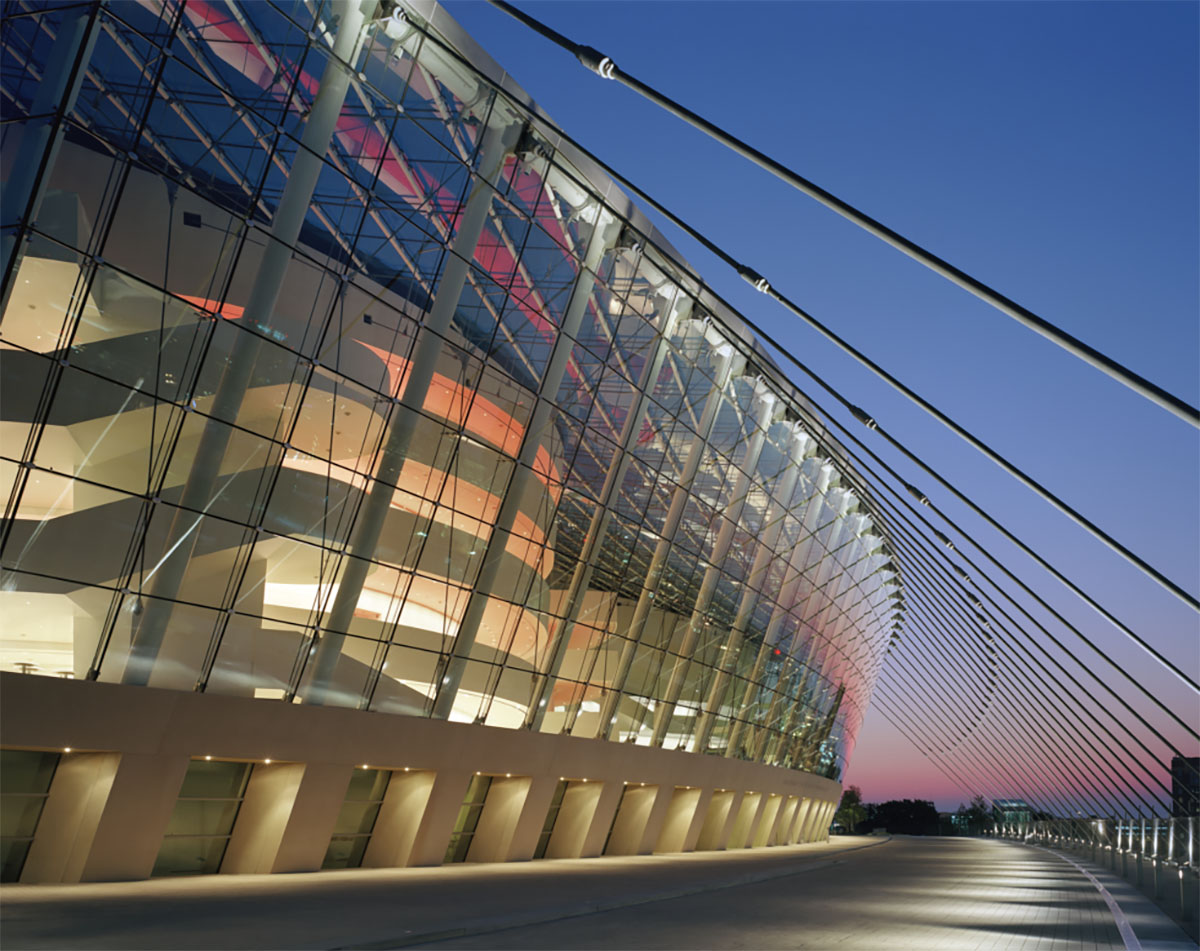
KC is among the leading cities in the world for architecture, engineering and construction, with a legacy of designing and building a better world — from right here in the Heartland.
More than 1,400 architectural and engineering firms call KC home
KC has more than 6,800 construction firms
94,000 workers in KC are employed in the A/E/C sector
A/E/C is a $16 billion industry in KC
KC led the Green Revolution in architecture
Nearly half of sports architecture around the world originates in the KC region
KC firms were key to the design of 28 of the 30 NFL Stadiums
Kansas City created the gold standard for Olympic stadiums
23% of the world’s power systems are designed by KC companies
9% of global telecommunication systems are designed by KC companies
10% of the world’s transportation infrastructure and systems are KC-designed
21 of the top 25 U.S. design firms have a presence in KC — more than any other city
KC has 7th-largest concentration in the U.S. for architecture and engineering jobs; 70% more concentrated than the national average
Colleges and universities in the KC region award 1,400+ architecture and engineering degrees annually
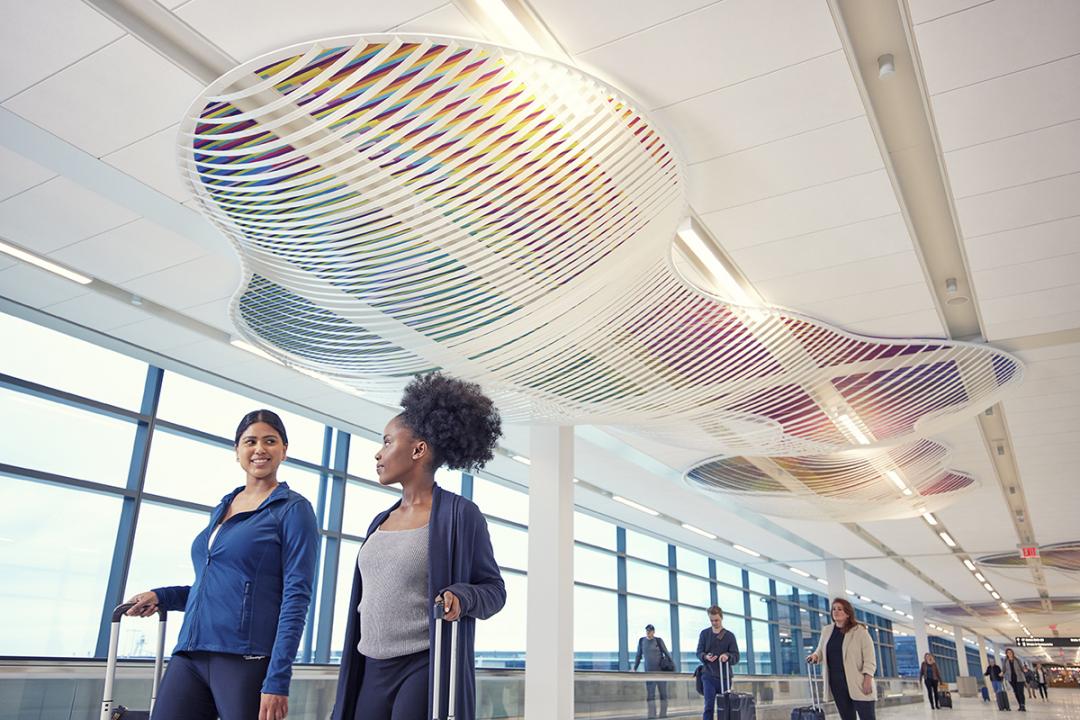
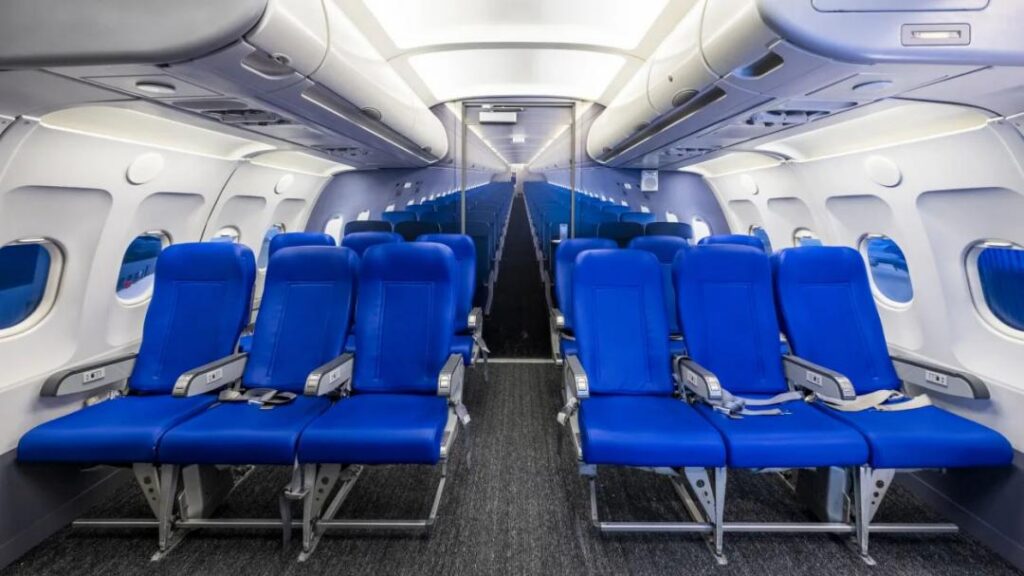
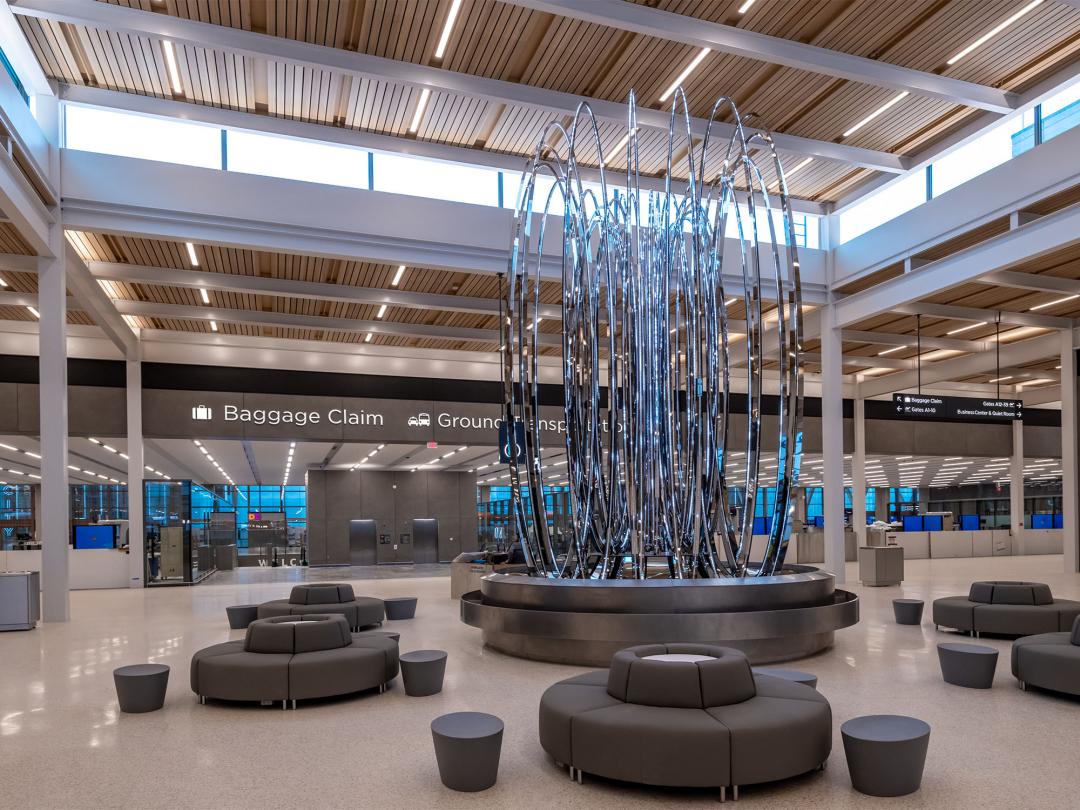
Kansas City International (KCI) Airport offers a state-of-the-art experience for those flying in and out of KC.
By the Numbers
New Terminal Upgrade
$0 Billion
Dining & Shopping Options
0+
in Public Art
$0 Million
to Both Coasts
0 Hours
Welcoming All with Inclusive Amenities
The upgraded experience at KCI Airport sets the new standard for accessibility and inclusivity.
All-gender restroom options
Baby- and adult-sized changing tables
A sensory room for neurodivergent travelers
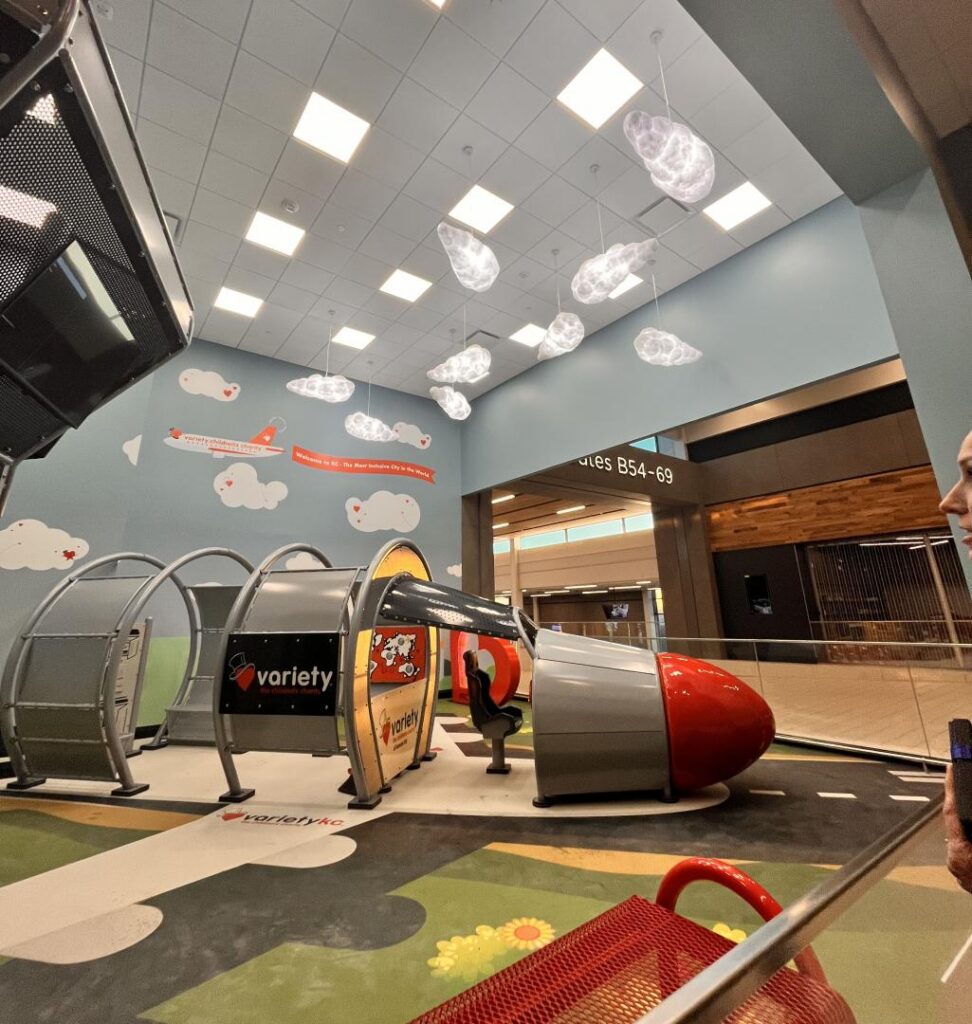
All-inclusive play area
Service pet relief area
10 nursing rooms
Visual paging boards for deaf travelers
Innovation + Tech
The KCI Airport’s state-of-the-art tech innovations focus on creating an environmentally-friendly and convenient experience for travelers.
Try before you fly – the Kansas City Air Travel Experience, a high-tech travel simulation, allows wary travelers to practice boarding, takeoff, landing and deplaning.
Go green – the new KCI terminal is LEED Gold Certified and is the first airport in the country to install wireless charging pads for its all-electric bus fleet.
Plug in – KCI offers abundant access to charging ports throughout the terminal, including wireless charging stations.
Culinary, Visual & Musical Arts
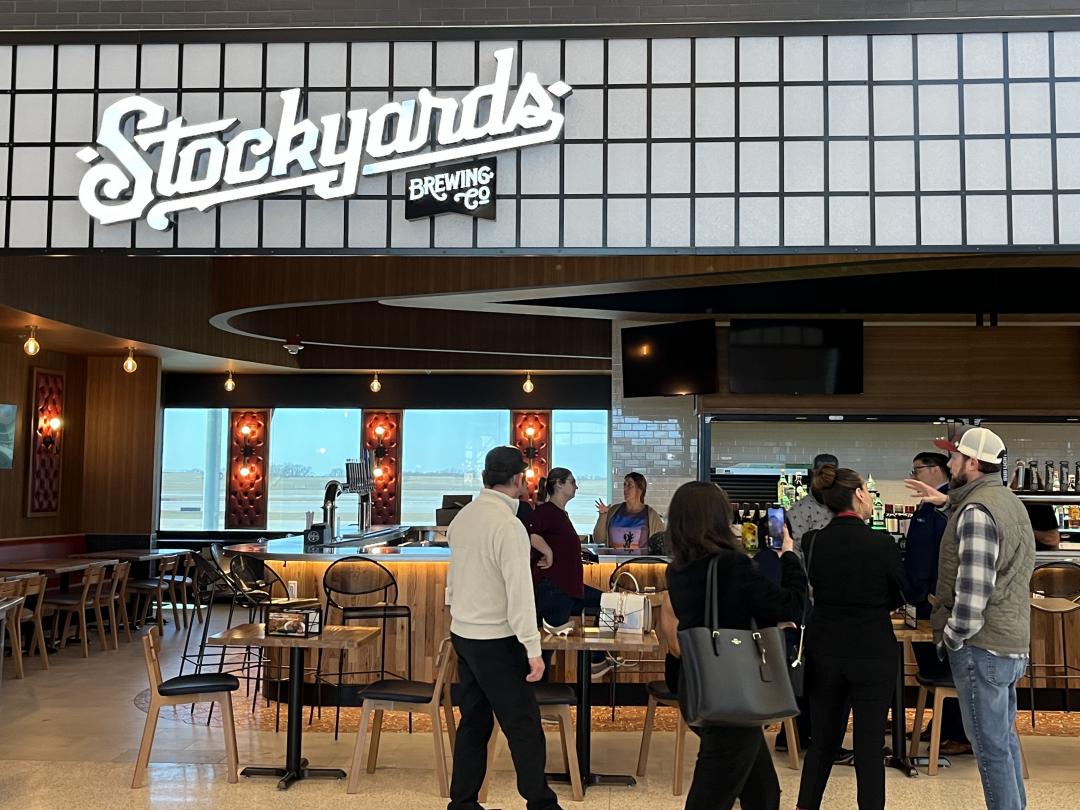
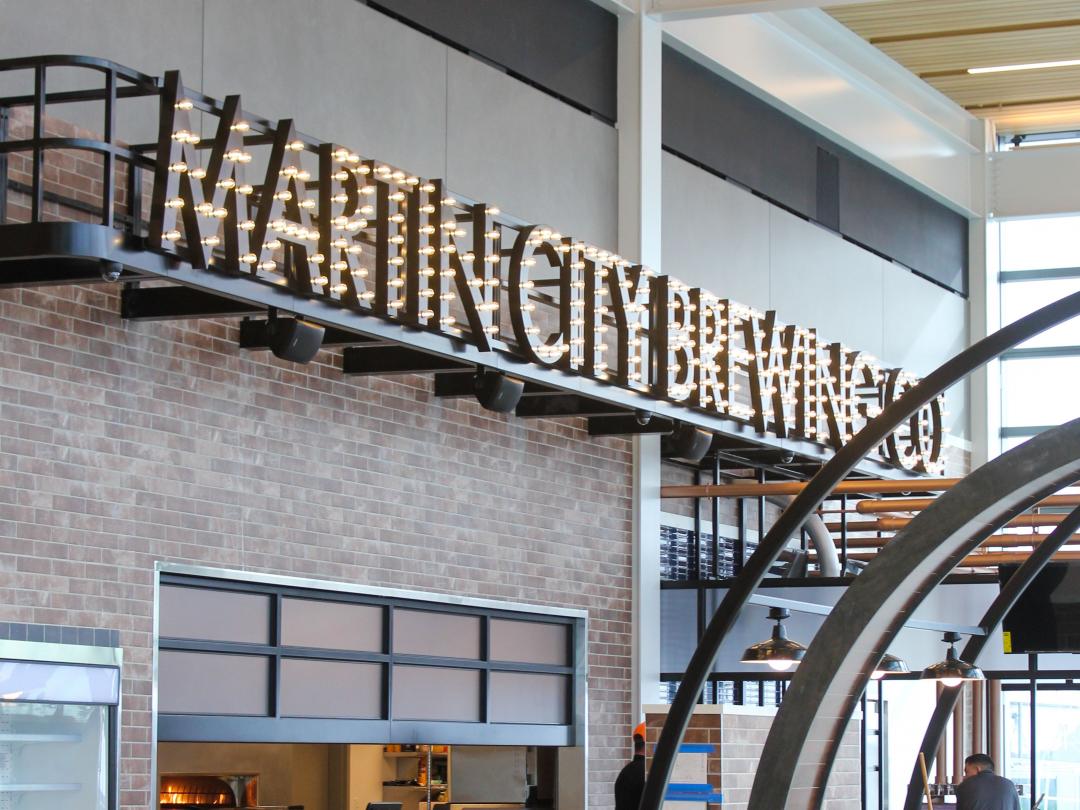
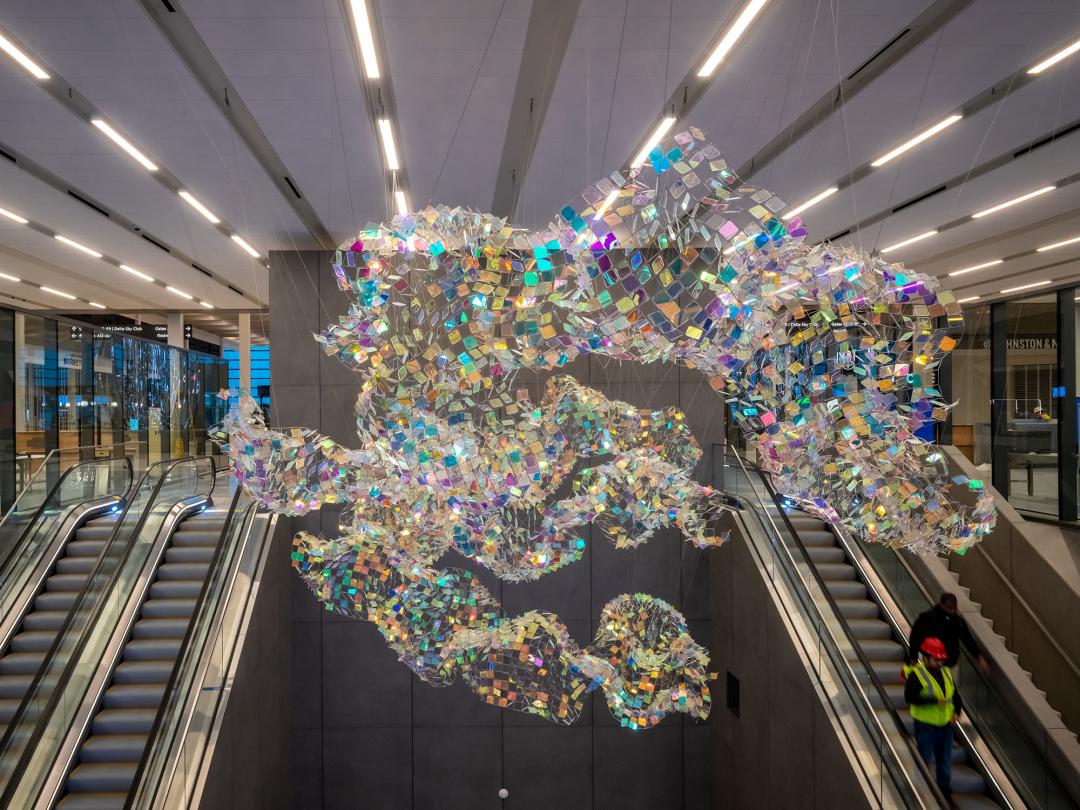
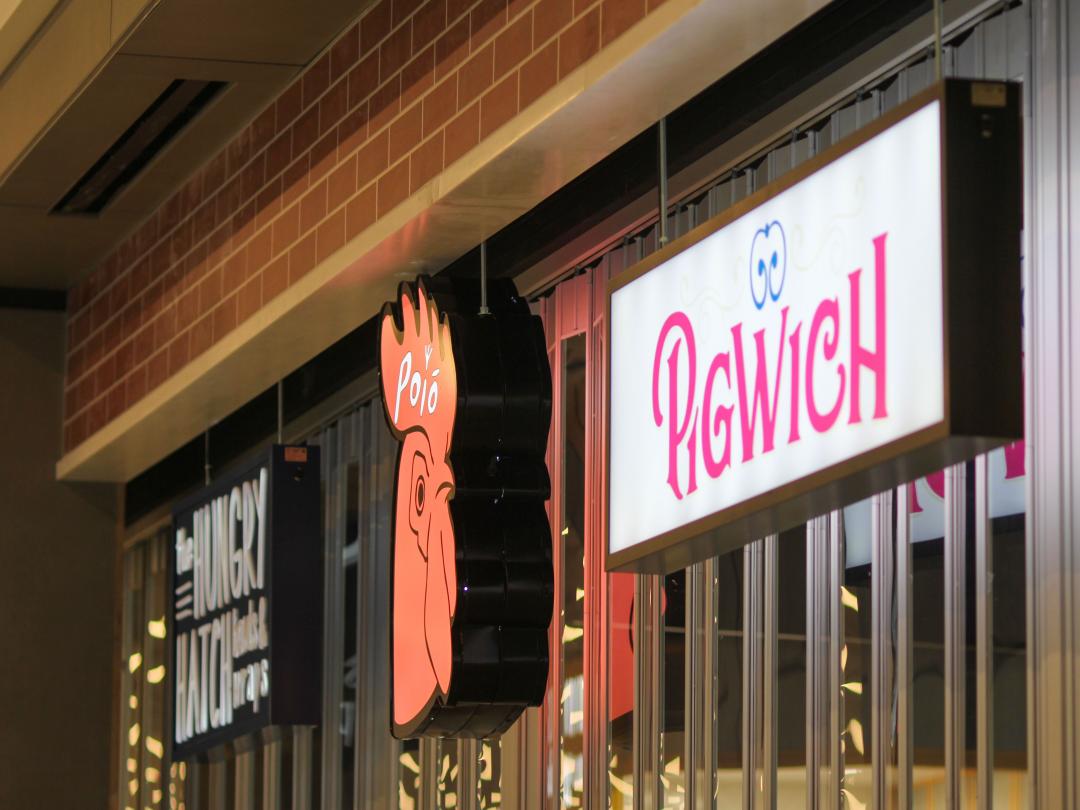
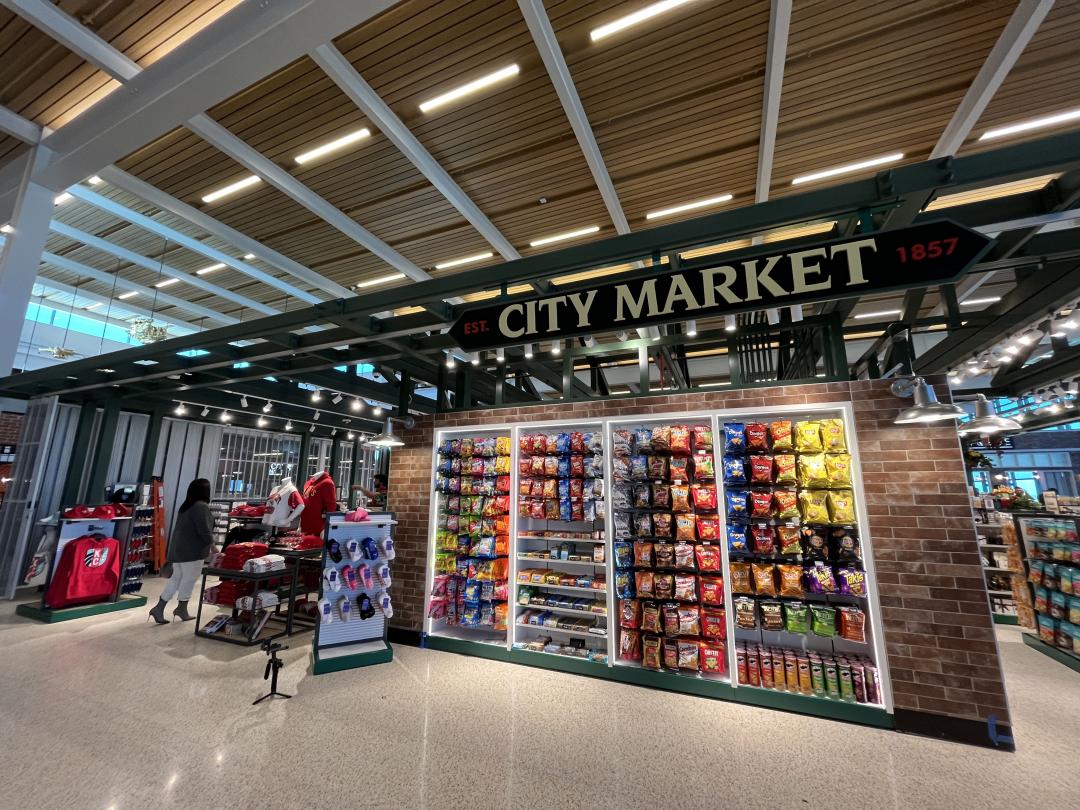
Grab a bite or pull a pint at more than 30 dining options, including iconic Kansas City hot spots, as you check out the $5.6 million in public art and listen to live music from local musicians.
Landing Business at KCI
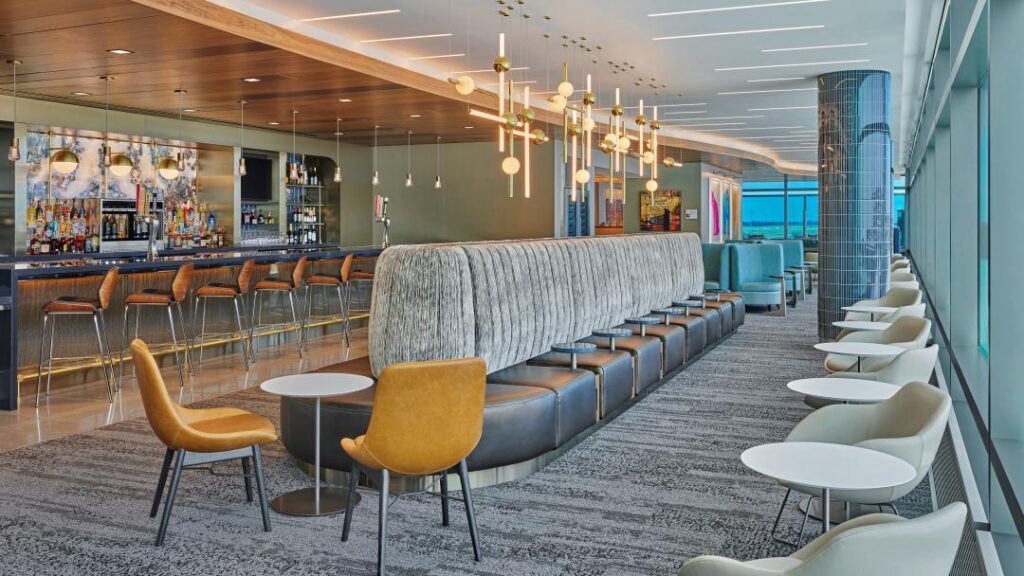
Never miss a critical moment – KCI Airport offers a variety of amenities catered to business travelers.
Prologis-Hunt Midwest Partnership to Accelerate Industrial Opportunities in KC
Hunt Midwest has announced a strategic build-to-suit joint venture with logistics real estate leader Prologis at two major industrial properties in Kansas City. The move leverages Hunt Midwest’s local expertise with Prologis’ global customer base and will position the region as a premier location for new investment.
“This new venture exemplifies the scale and certainty that the Kansas City region offers companies in today’s competitive environment,” said Chris Gutierrez, president of KC SmartPort. “As a top 15 U.S. industrial market, and with the positive reception of the KCI 29 site among site selectors and multiple Fortune 500 end users, Kansas City continues to reinforce its role as a critical gateway for companies’ global supply chains.”
KC Scores Four World Cup Base Camps
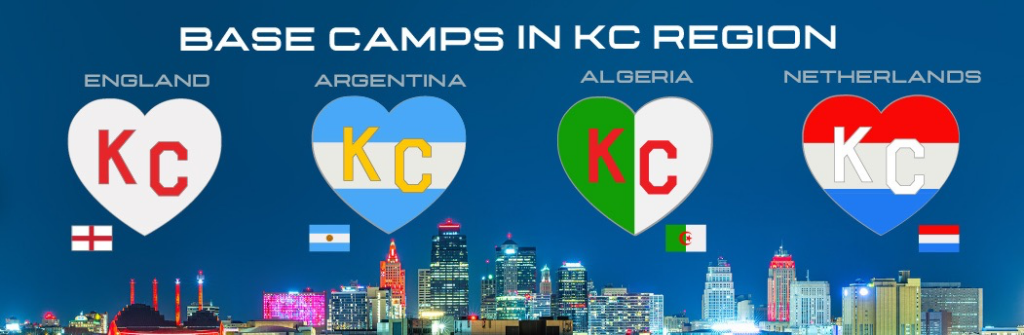
With the 2026 FIFA World Cup fast approaching, the Kansas City region continues to position itself as a top destination — hosting six matches and serving as base camp for four national teams, including reigning champ Argentina, England, the Netherlands and Algeria.
Register Now for the 2026 Annual Industry Briefing
Join us on April 8 at the Midwest’s premier industrial event to learn about the assets, infrastructure and strategies that have shaped KC’s rise to a top 15 U.S. industrial market.
KC Animal Health Corridor seeks innovators in companion animal, ag tech and food animal sectors
KANSAS CITY, Mo. – March 3, 2026 – The KC Animal Health Corridor is now accepting Emerging Company applications for the 2026 Animal Health Summit, taking place Aug. 31 to Sept. 1 in downtown Kansas City. The Summit provides a global stage for early-stage companies in companion animal health, ag tech and food animal production to present their technologies and business plans to investors, strategic partners and industry leaders.
To date, companies selected to present — representing pharmaceutical, vaccine, nutrition, diagnostic and technology startups from around the world — have collectively raised nearly $1 billion following their participation, in addition to securing licensing agreements, distribution contracts and acquisition offers.
Serve the companion animal health, ag tech and/or food animal production industries
Be seeking $500,000 to $20 million in funding or strategic partnerships
Project $20 million in revenue within five to seven years
Benefits for selected companies
Participants receive:
Access to industry experts
Assistance developing a company pitch deck
Individualized mentoring
Two practice pitch sessions with real-time industry feedback
Development of an investor profile
Promotion to qualified investors
Media promotion
Applications must be submitted by 5 p.m. CDT on April 1, 2026. All applicants will be notified of their status by June 19, 2026. Additional details about the KC Animal Health Corridor and the Animal Health Summit are available at www.kcanimalhealth.com.
About the KC Animal Health Corridor Companies with a business location in the KC Animal Health Corridor account for more than half of the sales generated by the global animal health industry. The Corridor, anchored by Manhattan, Kansas, and Columbia, Missouri, is home to more than 300 animal health companies, representing the largest concentration in the world. For more information, visit www.kcanimalhealth.com.
400 talent leaders gather as TeamKC reinforces its long-standing role helping Kansas City employers attract and retain top talent
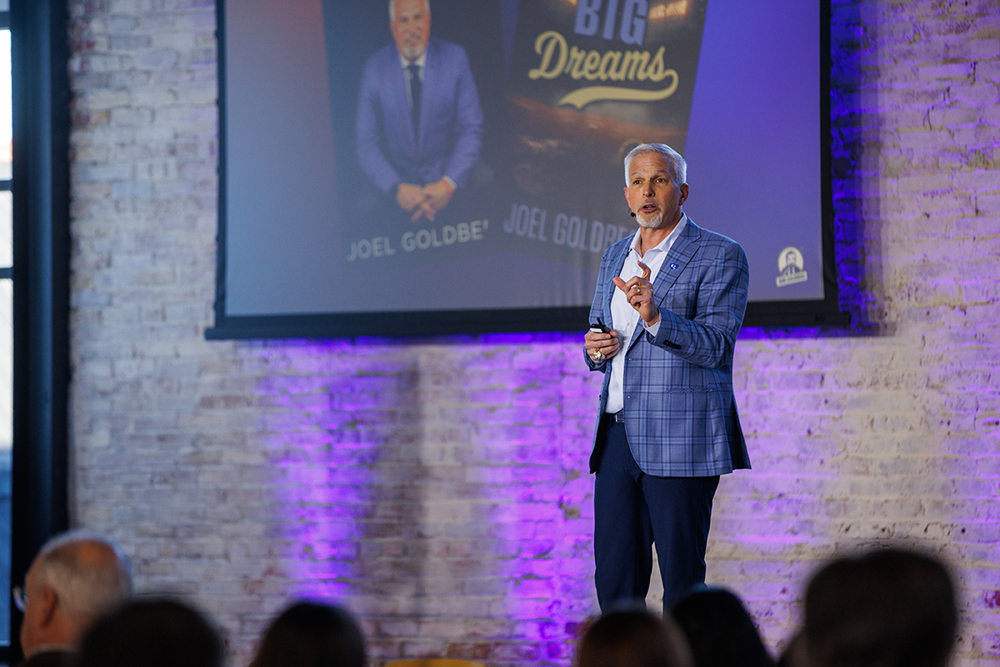
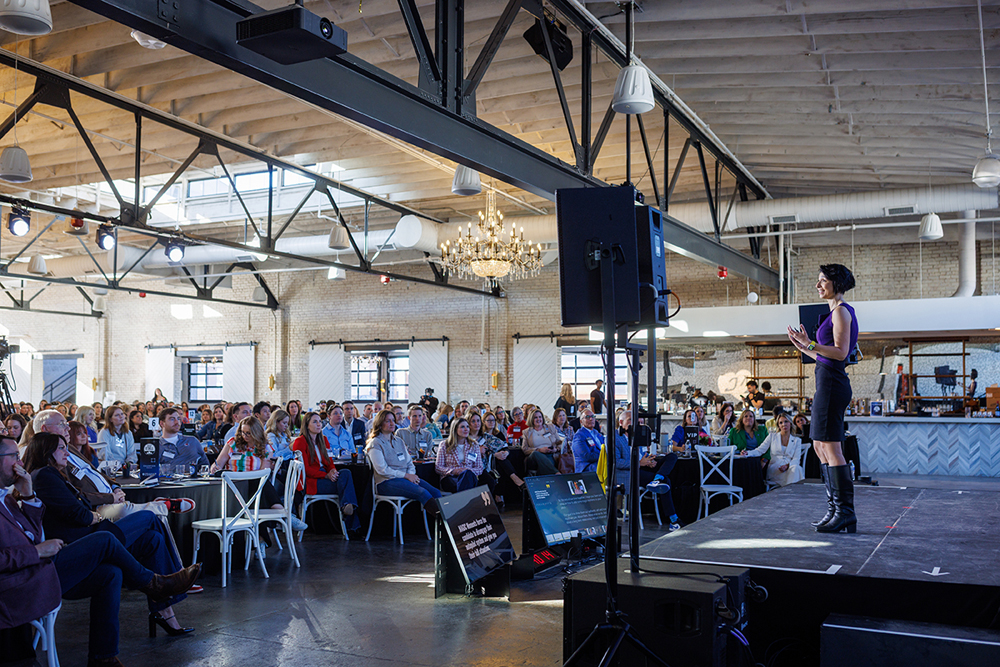
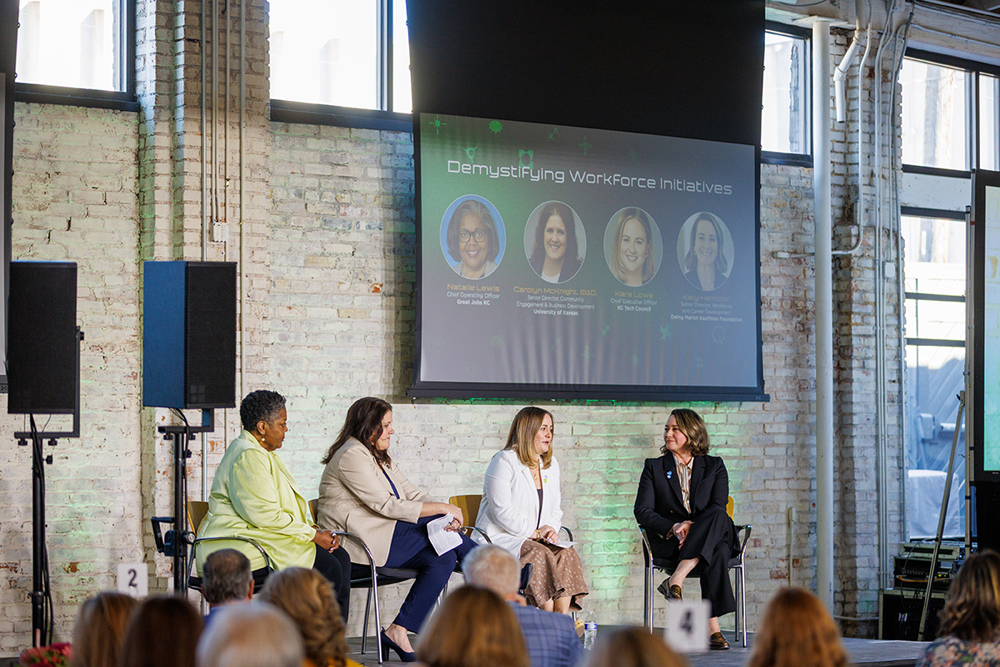
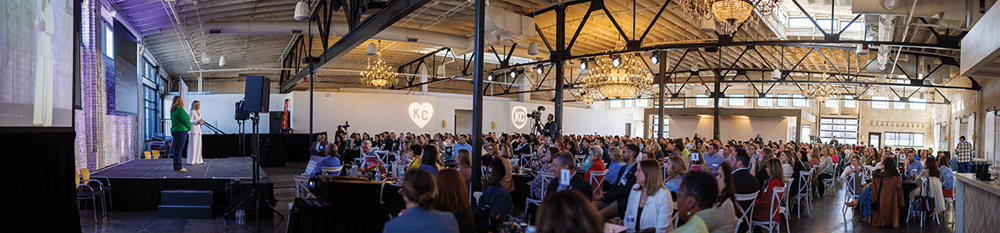
KANSAS CITY, Mo. – Feb. 26, 2026 – TeamKC, the talent-focused initiative of the Kansas City Area Development Council (KCADC), convened hundreds of HR executives, recruiters and business leaders today at The Abbott for its annual Training Camp talent summit — unveiling new recruiting tools, sharing fresh workforce data and spotlighting a year of major economic momentum for the region.
The event reinforced TeamKC’s nearly two-decade legacy as Kansas City’s authority on attracting and retaining top talent, supporting more than 300 major employers and a network of 1,100+ talent leaders across industries in the region.
“Strong data and insights elevate our work and give us credibility — and that’s what talent leaders need to have a seat at the table alongside their business partners,” said Erin Roebuck, TeamKC co-chair and senior talent acquisition leader, global, at Hallmark Cards, Inc.
The program featured nationally recognized speakers, including best-selling author Diana Kander and sportscasting legend Joel Goldberg, alongside regional business leaders sharing insights on workforce trends and building trust in an evolving talent environment.
New and Expanded Tools to Strengthen Talent Growth
A central theme of Training Camp 2026 was a sharpened focus on clarity — in messaging, in data and in the candidate experience.
TeamKC highlighted four cornerstone resources designed to give Kansas City employers a competitive advantage:
TeamKC Scouting Report: A data-driven snapshot of national workforce trends, the Kansas City region’s talent landscape and actionable recruitment and engagement strategies.
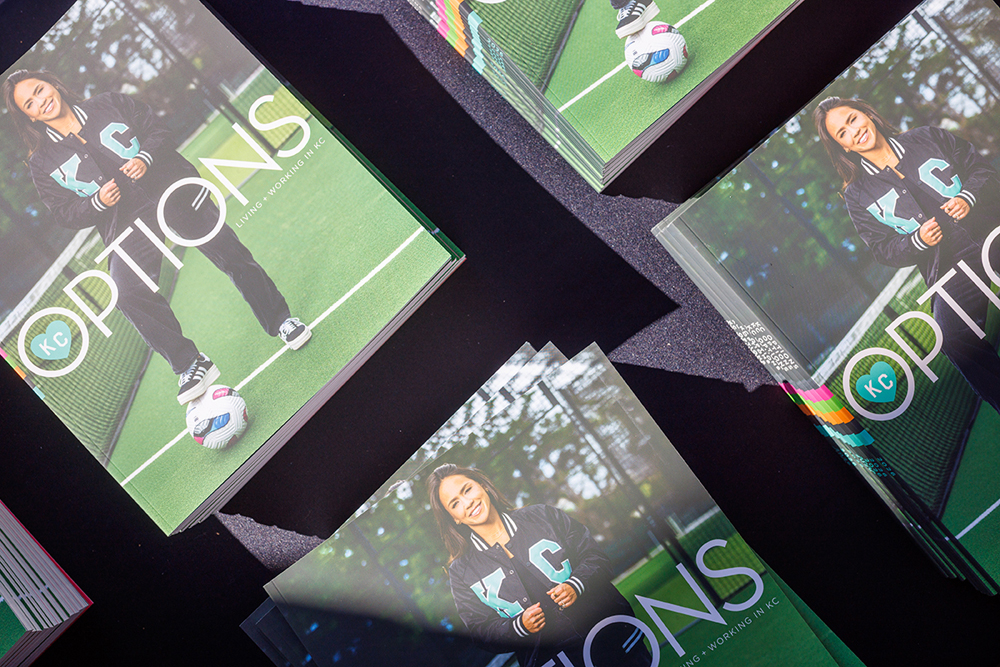
KC Options: TeamKC’s award-winning lifestyle and career publication, showcasing the people, places and culture that define life in Kansas City. KC Options remains the most widely utilized resource among employers recruiting to the region.
New KC Hype Video: A high-energy, shareable video asset designed to help employers showcase Kansas City’s momentum, vibrancy and opportunity.
TeamKC Relocation Guide: A new 50-page guide for KCADC’s 300+ investor companies, delivering clear, practical information — from housing and taxes to neighborhoods and community resources — to help new hires transition seamlessly to life in Kansas City.
Together, these assets create a full-cycle recruiting toolkit, supporting employers from initial outreach through long-term retention.
“We know what works,” said Danielle Hilton, managing director of TeamKC. “Vibrant visuals. A confident story. And practical tools that make it easier for talent to say ‘yes’ to Kansas City.”
KC Streetcar Authority Honored with 2026 TeamKC MVP Award
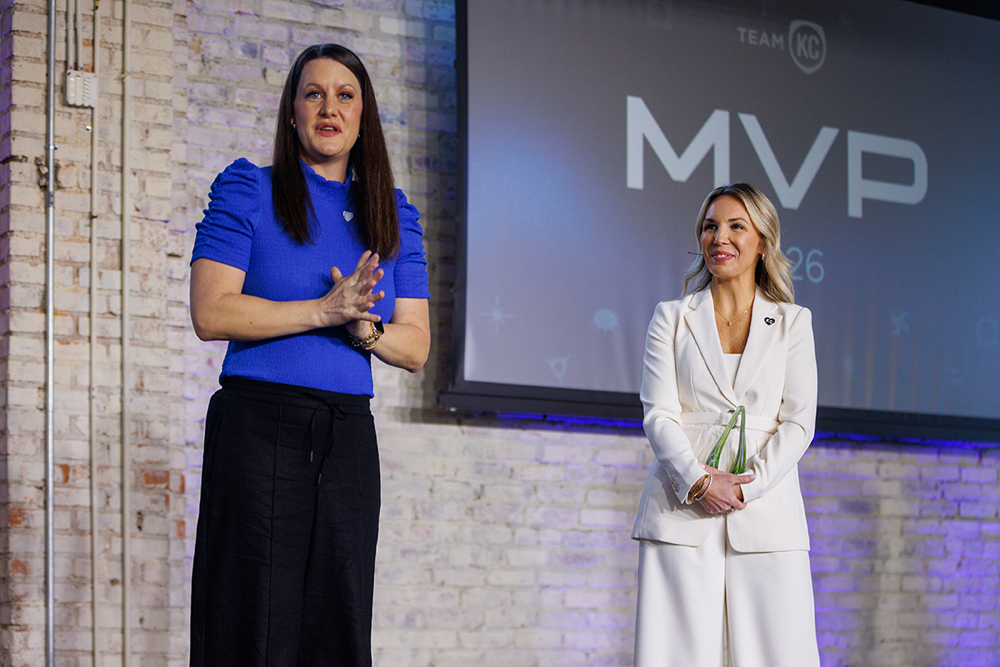
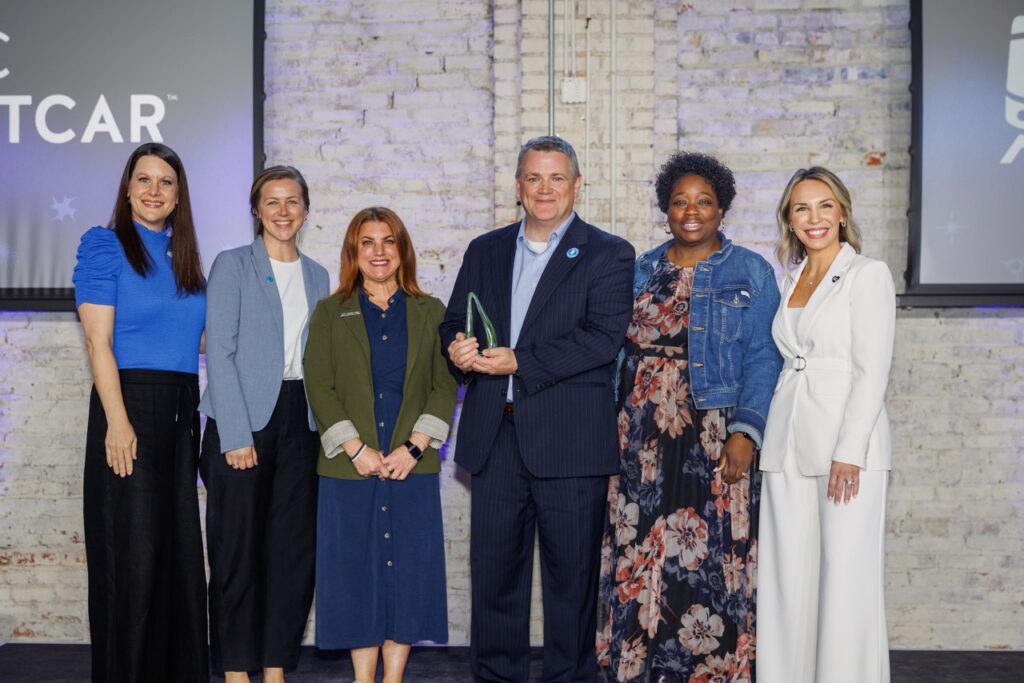
At the event, TeamKC presented its 2026 TeamKC MVP Award to the KC Streetcar Authority for its transformative impact in connecting people and places across Kansas City.
Awarded annually at Training Camp, the TeamKC MVP Award recognizes an organization that has significantly advanced Kansas City as a top destination for talent. Through expanded access and mobility, the KC Streetcar continues to elevate Kansas City as a place where talent wants to live and work — strengthening urban vibrancy, accessibility and regional connectivity.
Business Growth and Talent Pipeline Move in Lockstep
Training Camp also reinforced the direct connection between business attraction and workforce strategy, celebrating marquee investments TeamKC helped to attract to the region in recent years:
Panasonic Energy’s EV battery manufacturing plant, which recently celebrated hiring 1,500 employees.
Fiserv’s strategic fintech hub — the largest office project announced in the United States in 2025 — projected to create more than 2,000 jobs in the region.
As a key component of KCADC’s mission, TeamKC supports companies as they expand and invest in the region. Over the past decade, KCADC — together with state, community and business partners — has helped attract projects resulting in more than 30,000 new jobs in the Kansas City region.
“These wins are about more than headlines,” Hilton said. “They strengthen our talent base, diversify our workforce and reinforce Kansas City’s reputation as a place companies — and people — choose.”
TeamKC also highlighted its support for KC employers as they invest in the next generation of talent. In 2025, the TeamKC summer intern program engaged more than 1,000 interns across industries, providing “KC 101” programming, peer networking and immersive experiences designed to connect young professionals to long-term careers in the region.
A Proven Partner for Kansas City Employers
As national competition for talent intensifies, the 2026 TeamKC Training Camp reinforced a clear takeaway: Kansas City’s workforce strategy is coordinated, data-driven and built for scale.
“People show up when they know the why, and feel proud to be part of it,” said Alicia Bacon, TeamKC board co-chair and director of talent acquisition at Netsmart. “Now, more than ever, it’s great to be in KC. We have a swagger. An energy. We are the place to be. You just have to be here.”
About TeamKC TeamKC, an initiative of the Kansas City Area Development Council, is the regional authority in positioning KC as a premier talent destination. Working alongside regional partners, TeamKC serves as an extension of recruiting and HR teams at more than 300 major employers, supporting a network of 1,100+ talent leaders — providing the insights, tools and data needed to compete in a rapidly evolving talent market. As the region’s unified talent attraction initiative, TeamKC helps ensure top candidates say “yes” to growing their careers in KC. | teamkc.com
About the Kansas City Area Development Council (KCADC) The Kansas City Area Development Council is an economic development nonprofit that promotes the OneKC region’s business and lifestyle assets to companies and talent around the world. Working closely with its two states and 50-plus county and community partners, the region has attracted more than 64,000 new jobs over its 45-year history. KCADC also leads the efforts behind the KC Animal Health Corridor, KC SmartPort, TeamKC and KC Global Design. | onekc.org
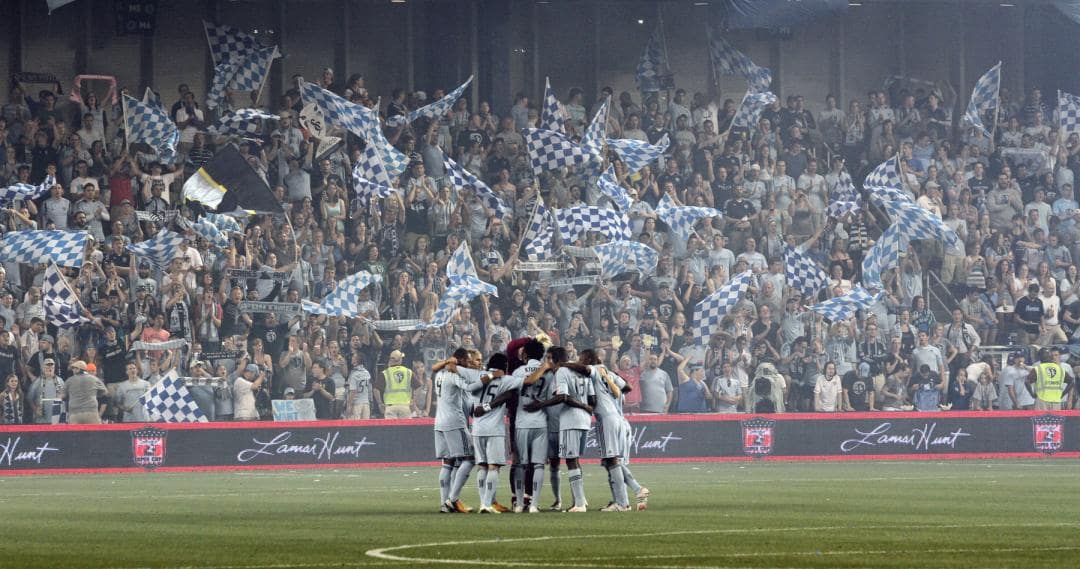
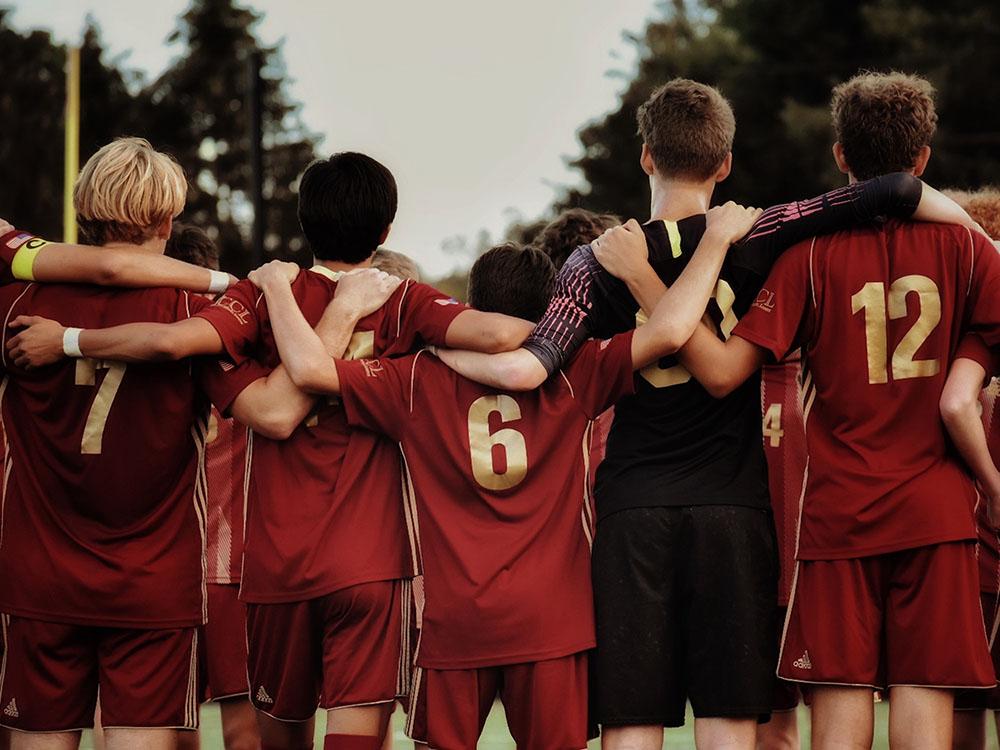
When it comes to soccer, KC is unmatched. From roaring stadiums and high-performing professional clubs to communities cheering on youth teams, KC is a hub for soccer (AKA football, to the rest of the world).
The World Cup Comes to KC
KC is one of only 16 cities selected to be a host city for the FIFA World Cup in 2026. The largest sporting event in the world, the FIFA World Cup draws millions of in-person fans and billions of broadcast viewers around the globe, and will shine a spotlight on KC as a hotspot for soccer, tourism and more.
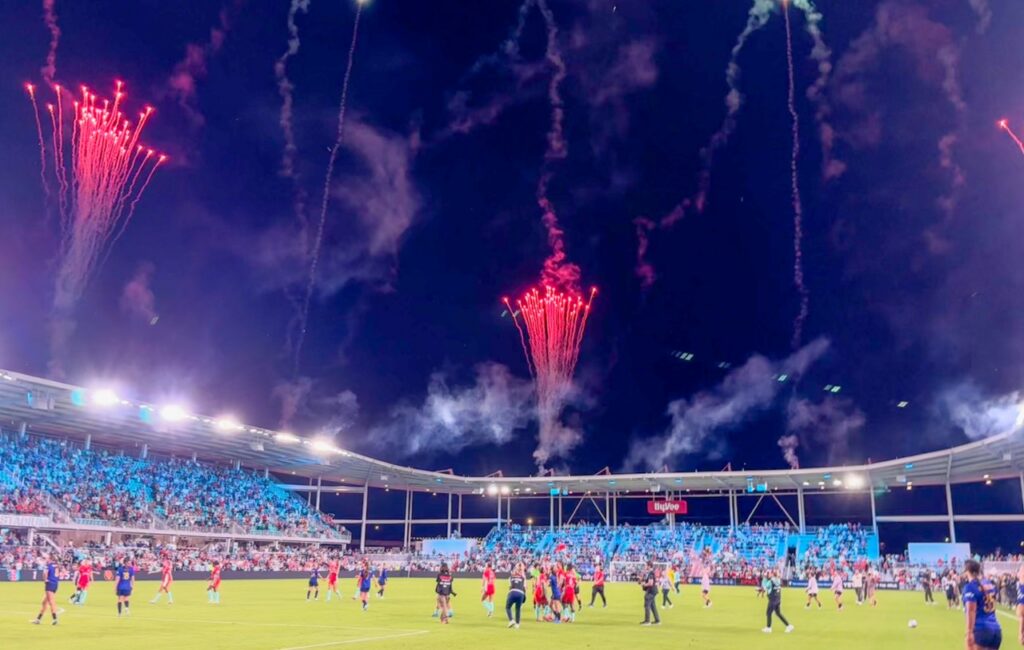
CPKC Stadium is the first in the world purpose-built for a women’s professional sports team. Home to the KC Current, the riverfront venue set new benchmarks for the National Women’s Soccer League — including league-leading attendance and sellout crowds in its inaugural season.
Beyond the action on the pitch, the stadium itself is a statement: the design and construction team was women-led, underscoring Kansas City’s commitment to advancing women in sports, leadership and the built environment.
KC’s Pro Teams
Sporting Kansas City
Major League Soccer
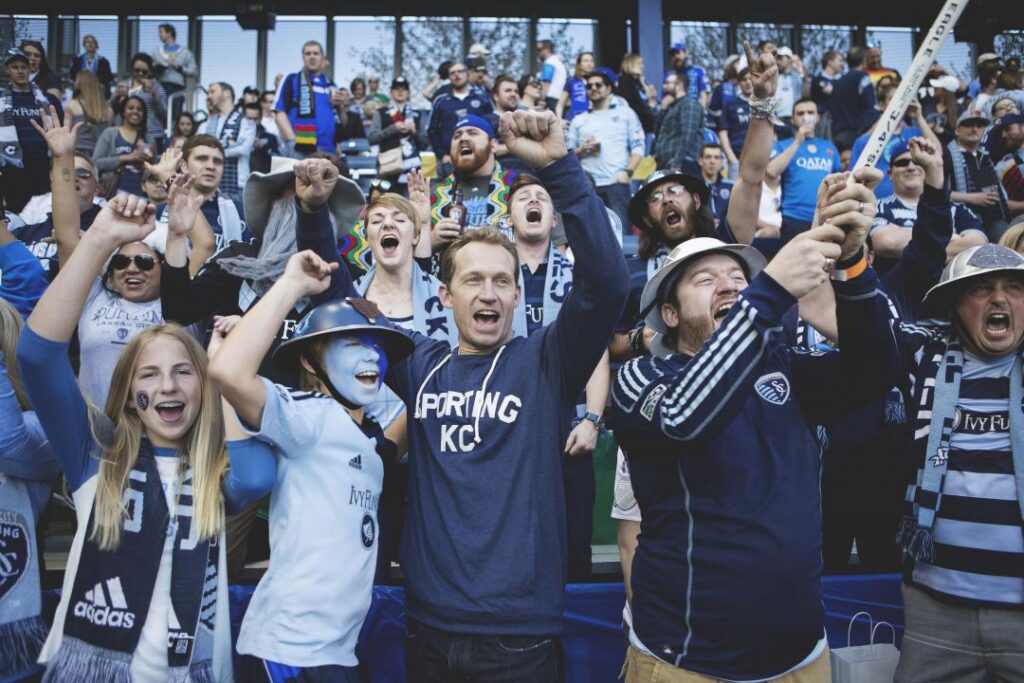
With two MLS Cup and four U.S. Open Cup wins, Sporting KC is Kansas City’s men’s professional soccer club. In addition to their work on the pitch, the club also helps aspiring young players to fall in love with soccer.
Both Sporting KC and its affiliated MLS Next Pro Club, Sporting KC II, are headquartered at Sporting Park in Kansas City, Kansas.
Kansas City Current
National Women’s Soccer League
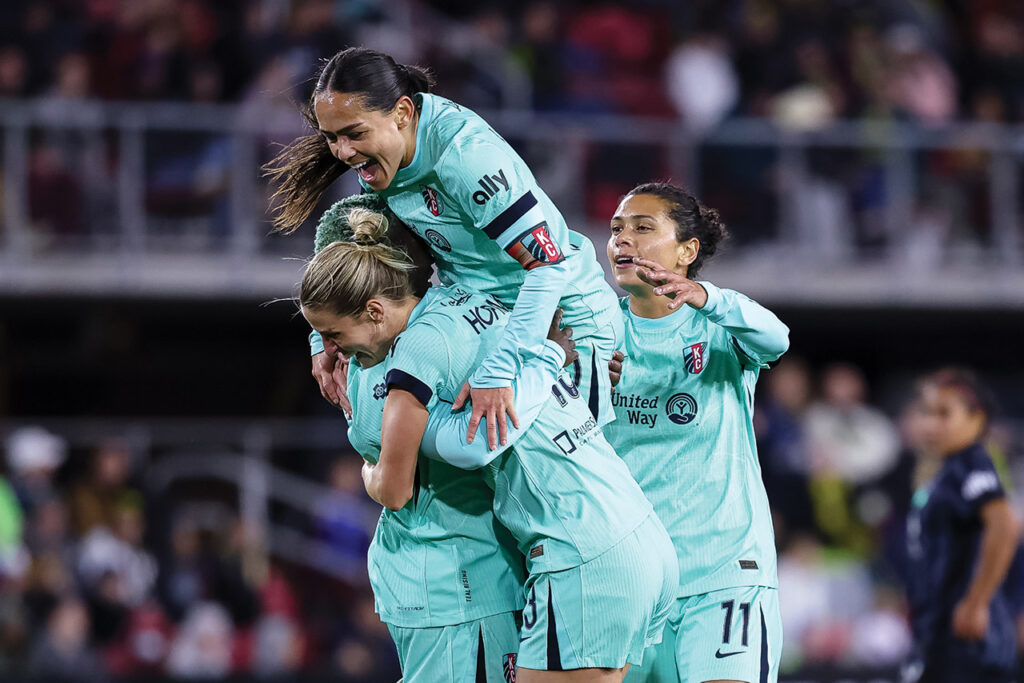
After making it the National Women’s Soccer League Championship in only their second season, KC Current is making history in women’s sports with CPKC Stadium at Berkeley Riverfront Park.
KC Current II, the team’s affiliated Women’s Premier Soccer League team, is high-performing in their own right, winning the 2022 Midwest Conference Championship in their inaugural season.
Kansas City Comets
Major Arena Soccer League
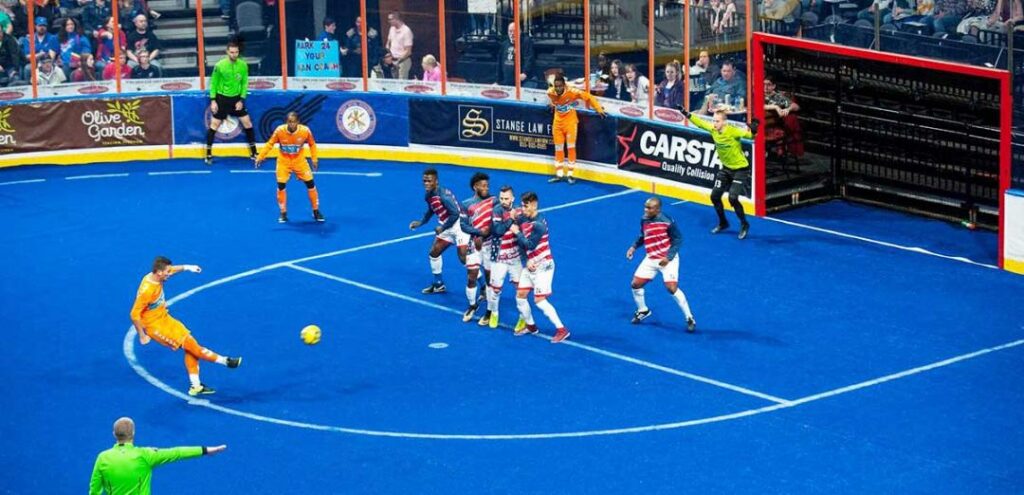
Enjoy soccer all year ’round in KC Heartland and check out the region’s Major Indoor Soccer League (MASL) team, the Kansas City Comets. Playing out of Cable Dahmer Arena, the KC Comets hosted the first-ever MASL all-star game and are two-time winners of the Central Cup.
From Kids to Coaches
With summer camps, youth leagues and training programs like Sporting KC Youth Soccer, kids can kick off their athletic dreams right away in KC Heartland.
United Soccer Coaches, headquartered in KC’s Union Station, is the largest organization of soccer coaches in the world, boasting more than 30,000 members.
The Heartland Soccer Association, America’s largest soccer league and tournament host, brings together more than 30,000 league players and 40,000 tournament players in levels from recreational to premier.
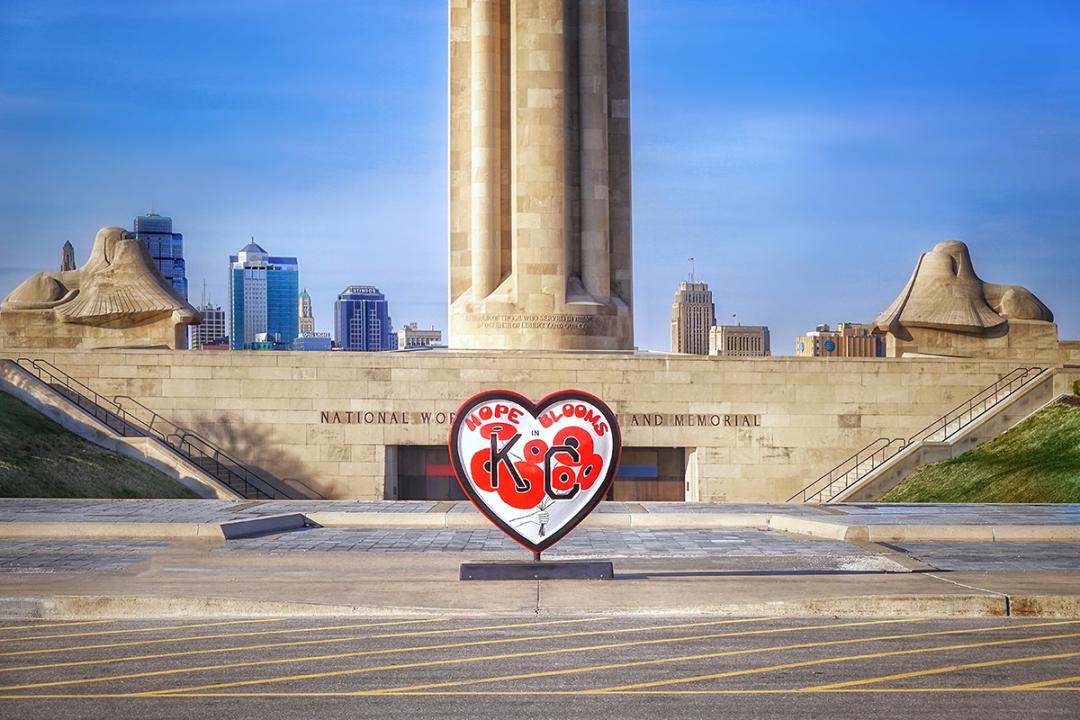
There’s no denying that Kansas City is a special community — supportive, welcoming and proud of the hidden gem that we call home. So, it’s no surprise that Kansas Citians have rallied around the Parade of Hearts, a public art exhibition representative of, and dedicated to, our diverse and eclectic region.
Parade of Hearts was born during the COVID-19 pandemic and intended to help raise funds and awareness for the industries that had suffered the most. Yet this annual installation has achieved an even grander vision in the years since its inception, combining the iconic and beloved KC heart logo with the unique stories, art and design of the Midwest.
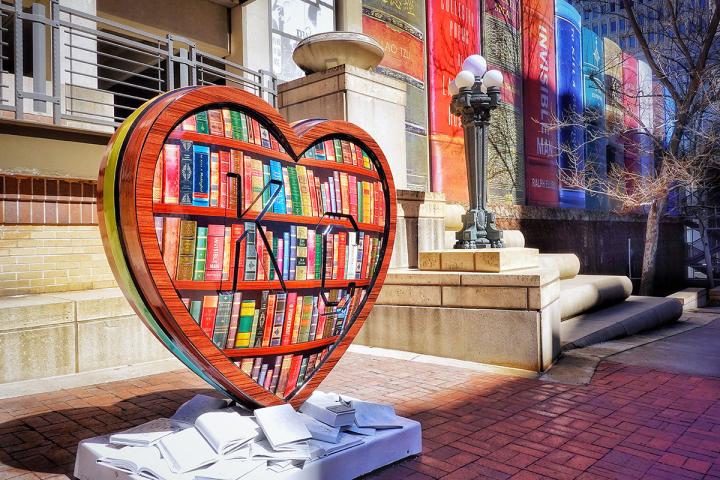
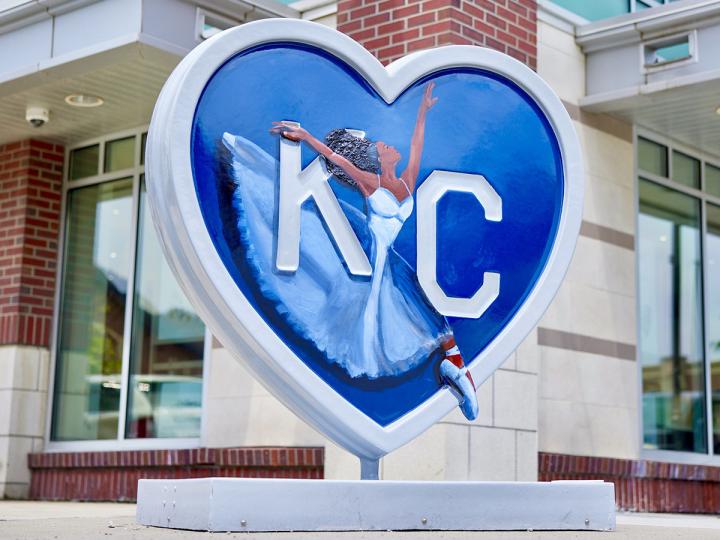
The hearts, each measuring about five feet tall, are placed around the Kansas City metro area, interweaving a narrative of hope and inspiration. From healthcare to hometown pride, each tells a different story. Showcasing local artists’ abilities, every installation embodies a unique viewpoint and perspective, all with the goal of bolstering our community.
The culmination of the parade is an auction, where every dollar raised is donated and recirculated to specific facets of Kansas City. Those include focused areas of arts and culture, health and wellness, hospitality and tourism, education and minority-owned businesses.
Now entering its third year, the he(art) installations have become an integral component of the community — spotted in parks, next to local businesses and alongside busy streets throughout the region. And while the amount of talent and creativity in Kansas City is remarkable, what’s even more inspiring is our ability to band together, as one community, around a common cause. To date, Parade of Hearts has raised more than $2.5 million for local charities.
That’s what the Parade of Hearts is truly about — supporting one another through the tough times and the good, giving a voice to worthy causes and elevating everyone that makes Kansas City great.