Chinese Community

Chinese Community

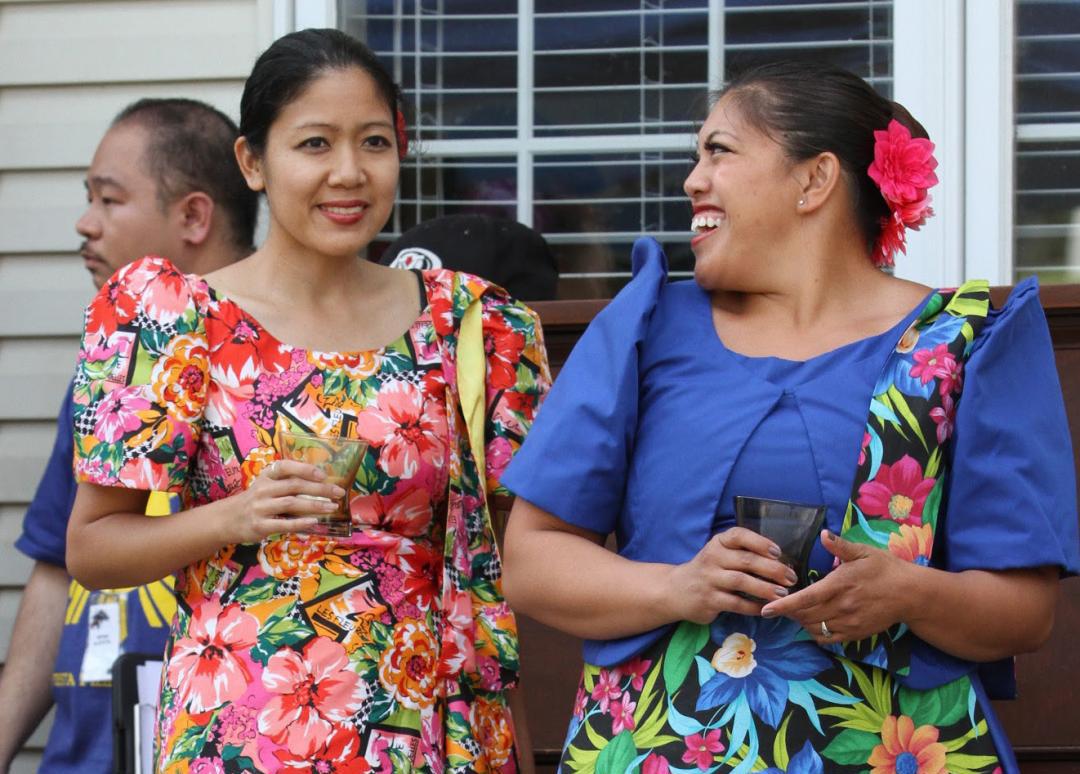
Kansas City is home to a very supportive Chinese community. We hope you feel at home here and encourage you to explore these available resources, amenities and opportunities.

People
0

in KC’s Chinese community. 7,343 of these individuals identify as being native to China.

Source: U.S. Census, 2023

Community Connections

KC Institute of Chinese Language and Culture
Chinese language and cultural courses for students ranging from kindergarten to high school.

Pan-Asia Market
Kansas City Find 10,000+ Asian products, meats, seafood, fruits, vegetables and more.

888 International Market
You’ll find a dizzying array of grocery staples, baked goods, both locally grown and imported produce, fresh seafood, fish and more.

Chinatown Food Market
Speciality Asian grocery store in the River Market of downtown KC.

ABC Café
Hong Kong-style, traditional Chinese dishes with a casual atmosphere.

Kin Lin
Ask for the authentic Chinese menu, it will not disappoint.

New Peking
Top 100 Chinese Restaurants in the USA for healthy menus.

Local Organizations​

Want to keep exploring?

Black Community

Black Community

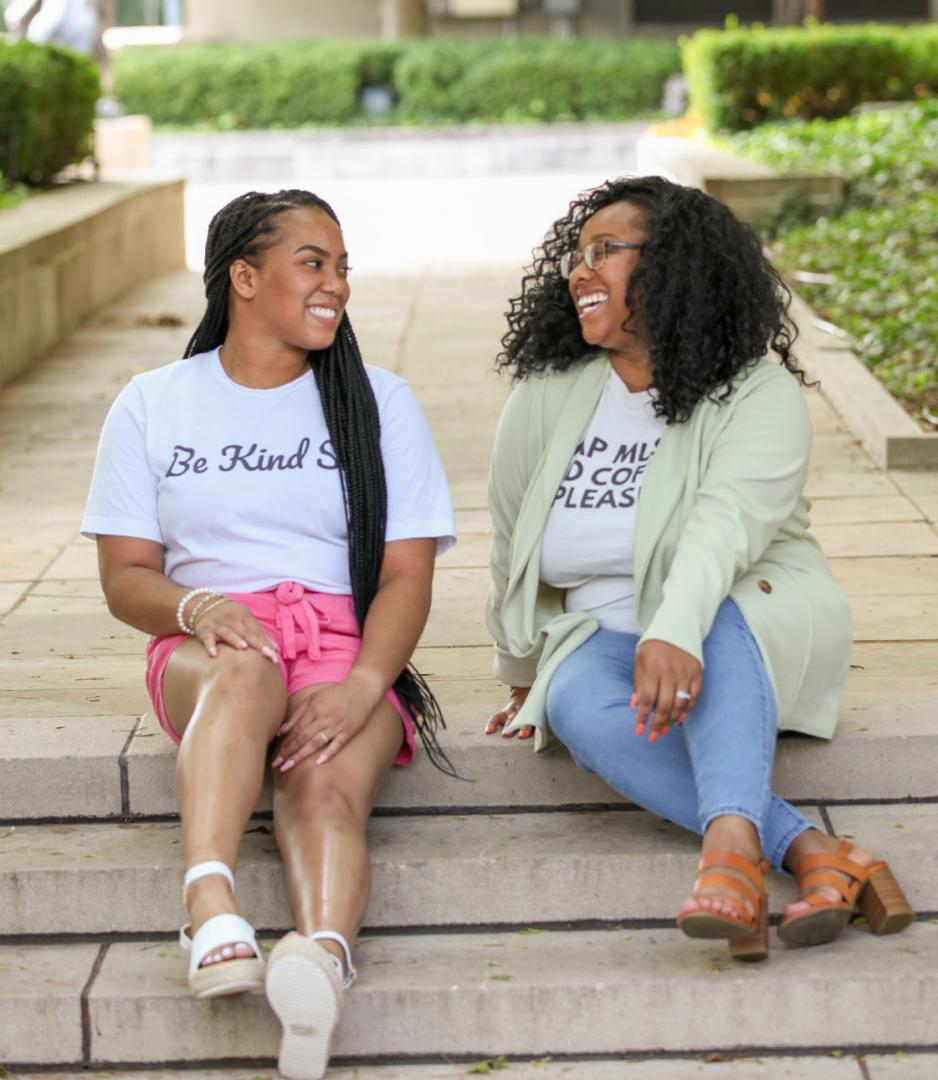
Kansas City is home to a very supportive Black community. We hope you feel at home here and encourage you to explore these available resources, amenities and opportunities.

Community Connections

KC Black Owned
While continually changing and growing, this directory is a great place to start to find black-owned businesses in KC.

103.3 FM Hot Jamz
The first African American owned radio station west of the Mississippi, this station continues to be a KC family-run enterprise.

18th & Vine District
The historic home to KC jazz and current home of the American Jazz Museum, Negro Leagues Baseball Museum and more.

Black Dog Lovers Club of KC
Connect with dog lovers at Bar K, a pup paradise and pub.

Gates Bar-B-Q
This family-owned barbecue restaurant has been a staple in KC since 1946.

Ruby Jean’s Juicery
A welcoming environment for all customers to enjoy healthy beverages and snacks.

Vine Street Brewing
The first black-owned brewery in Missouri, offering an array of brews and vibrant space for connecting and hosting events.

Top Barbers, Hair Stylists & More Services 
Browse the People’s Choice Awards Winners for top-voted providers across the region.

Local Organizations​

Want to keep exploring?

Asian Indian Community

Asian Indian Community

Kansas City is home to a very supportive Indian community. We hope you feel at home here and encourage you to explore these available resources, amenities and opportunities.

People
0

in KC’s Indian community, including 11,305 individuals who identify as being native to India. The Indian community is the largest Asian community in KC.

Source: U.S. Census, 2023

Taste of Home

Offering a wide variety of gourmet food and snacks, KC India Mart carries more than 3,000 products and 200 brands.

Ambica Foods
The largest Southeast Asian Grocery store in the Kansas City metro area.

Kurry Leaves
Offers a variety of traditional Indian and Pakistani dishes served family-style.

Moti Mahal
A mainstay in KC, Moti Mahal is a perfect cozy spot for lunch or quiet night on the town.

Seva
With dishes inspired by Northern India, Seva prides itself on using locally-grown produce.

Taj Mahal
Located in Waldo, Taj Mahal is a staple with the locals and offers a lunch and dinner buffet seven days a week.

Of Course
Experience the unique blend of South Indian flavors and American ingredients at Of Course, unlike any other regional restaurant.

Local Organizations​

Want to keep exploring?

It’s More Than Money: The Real Meaning of Internal Equity

“Internal equity” is more than just a buzzword in HR circles — it’s the foundation of fairness inside an organization. At its simplest, it means employees doing similar work with similar responsibilities are compensated fairly in relation to one another. But it’s also about trust, transparency and opportunity across the entire employee lifecycle.

Evolution of Equity Practices

In the past decade, a noticeable cultural shift is undeniable in the workplace: No longer is salary sharing taboo; now it is more often encouraged by peers. Job search platforms, including Glassdoor and Indeed, encourage salary transparency. The 2025 TeamKC Scouting Report shared that 47% of job seekers expect to learn about compensation within the job post.

Without a thoughtful conversation on how to ensure internal equity, employers risk dissatisfaction and disengagement from employees who learn they may not be compensated fairly.

Measuring Fairness and Equity

Luckily, what used to be managed through word-of-mouth conversations now has data tools and more structured practices to help guide these conversations. Organizations now lean on tools like Market Pay compensation analysis and national data trends before posting jobs, quarterly benchmarking in competitive industries such as higher education and transparent salary structures.

Beyond national trends, the most telling data indicators can come from your own employees. Turnover trends, engagement survey responses and exit interviews all reveal whether employees feel fairly treated. Even asking employees directly — “Do you feel your pay is fair?” — opens the door to honest dialogue.

Beyond Pay: Total Rewards and Culture

Pay is only part of the picture. Total rewards — healthcare, 401(k) contributions, PTO, remote work and flexibility — all play a part in the conversation. Companies can improve perceptions of fairness simply by making the monetary value of benefits visible. For example, showing the total cost of healthcare contributions or retirement matches helps employees see the bigger picture.

And then there’s culture. Belonging and psychological safety are just as critical — in fact, 84% of employees rank them among their top workplace priorities. When leaders are equipped to have open, performance-based conversations about pay and benefits, employees feel seen, respected and valued.

Need a few tools to help? TeamKC’s Belonging Guides, Scouting Report and cost-of-living comparisons can help your leaders bring these conversations to life.

The Role of Leadership in Internal Equity

Equity isn’t solely an HR responsibility. It requires leadership buy-in, cross-team collaboration, training and accountability. HR, talent acquisition and compensation teams should align regularly on internal guidelines, market research and hiring practices to avoid inequities creeping in as employees move into new roles.

Most importantly, successful internal equity depends on honesty. Leaders who communicate openly about how compensation decisions are made and who show consistency between philosophy and practice earn the trust of their teams.

Where do we go from here? 

Internal equity isn’t about giving everyone the same thing — it’s about building fairness, trust and opportunity across every stage of the employee journey. Pay is part of it, but so are benefits, culture, growth opportunities and leadership accountability.

Companies that get this right will find employees more engaged, more loyal and more proud to be part of the team. 

The TeamKC network has access to tools and resources that help talent teams win and retain top talent. Contact us to join the discussion and gain access to resources.

Fueling Growth in Kansas City and Beyond | KC SmartPort PULSE

Trade in the Heartland | KC Heart | Kansas City downtown skyline

Kansas City’s FTZ Strengths Spotlighted on a Global Stage

The National Association of Foreign-Trade Zones 2025 Annual Conference drew record attendance to Kansas City in September. The sold-out event included a KC-led panel discussion with regional operators and a reception that brought together global trade leaders for meaningful connections.

As one of the largest Foreign Trade Zones in the nation — with more than 450 million square feet of approved FTZ space in a strategic central location — Kansas City offers companies a business-friendly environment with faster approvals, making it an ideal hub for international trade and supply chain optimization.

Read the Recap

 Fueling Growth: Evergy Invests in New Energy Capacity

Kansas City’s energy infrastructure is gearing up for the future as Evergy partners with TerraPower to explore a next-generation nuclear facility in Kansas. The advanced Natrium technology plant would expand energy generation, improve grid reliability and support growing business demand across the region. This investment underscores the KC region’s commitment to sustainable power capacity and long-term competitiveness.

Business Development Boot Camp

Program Overview

This eight-month program focuses on the soft skills A/E/C professionals need to build long-lasting client relationships and take their careers to the next level. Through interactive workshops and expert-led sessions, participants develop critical skills including communication, presentation skills, emotional intelligence and problem-solving, all while connecting and building their networks.  

Who Should Apply

The program is geared toward people with a wide range of experience, which is intentional by design – giving an opportunity for reverse mentoring and a chance to foster meaningful connections + relationships with professionals representing diverse backgrounds across the industry. Several hold a business development role, while others are seller-doers. The content is given in a way that’s relevant to both audiences.

In an effort to keep a broad mix across the cohort, KCGD’s BD Boot Camp is currently limited to one participant per company. 

Time Commitment

The 2026 program will run from January to August with six to eight sessions that are three hours and opportunities to connect in between. The time of day varies, but it will either be first thing (8:30-11:30 a.m.) or the end of the day (1:30-4:30 p.m.) – with a networking happy hour to follow some of the afternoon sessions. Full participation is expected if accepted into the program.

Applications for the 2027 program will open in the fall of 2026.

For questions about the BD Boot Camp or other KC Global Design programming, contact us.

Early Career Hiring: Beyond the Fair

Gen Z grew up with options, algorithms and authenticity. TeamKC is diving into what’s working (and what’s not) when it comes to connecting with this generation before, during and after the career fair.

First, let’s tackle a misconception. This generation (born 1997–2012) made its presence known when it began entering the workforce, asking for what they believe they deserve. Entitled? More like confident, comfortable and connected. (Three cheers to that!)

To earn their time and eventually their loyalty, companies must first understand them. Raised in a hyper-connected world, Gen Z has naturally become skeptical consumers of content. Employer branding isn’t a checkbox – it’s a first impression and an ongoing interaction. So, how do you recruit and retain a generation willing to demand what they value? The answer starts by equipping managers, mentors and hiring teams with the key tools and training.

Rethink Campus Recruiting

Launch early with on-campus and virtual outreach. Gen Z craves both digital ease and in-person connection. Go beyond the career fair by connecting with career services to get creative. Pop-up employer booths, employer days and lunch-and-learns grab student attention while helping put the spotlight on one company at a time. 

Make the most of travel and time on campus. Before career fairs, request resumes, contact standout students and clear the calendars of hiring managers for next-day interviews. 

Gen Z expects frequent, clear updates across channels. Keep the connection alive by sharing culture-focused content. Forward company updates, insider stories and casual check-ins, so even when you’re not talking directly, students remain connected.

Foster Intern Programs that Actually Work

Internship programs – when structured effectively – provide invaluable experience for the interns and innovative ideas for companies. 

Companies that invest in their interns create a recurring high-potential talent pipeline. Those who do it well aim to convert interns into full-time hires upon graduation. They build structure with flexibility, giving interns meaningful projects and letting their interests guide their work path. Gen Z wants direction but also room to explore. 

And the best intern programs? They build connections – among interns, with mentors and throughout the community.

Make culture part of the job description. Budget time for training, group problem-solving and feedback sessions. Include interns in your mission, because job titles attract them, but culture makes them stay. 

Step Into the Algorithm 

Gen Z grew up with the algorithm. Constantly testing the limits, 95% evaluate a company’s social media presence when considering a job. Hiring teams, focus your attention on platforms they already see: TikTok and Instagram.

Launch a careers-focused Instagram. Said easy, done hard – we get it. There’s often red tape around social channels for company brands. Unlike some social platforms that can feel cluttered or oversaturated, Instagram offers a minimalist, visual option that may be just right for your company.

For TikTok, start by exploring what’s out there about your company already. Pro tip: Explore #CareerTok but don’t get lost in the scroll. Enhance your brand presence by encouraging employees to post “Day in the Life” videos or casual behind-the-scenes content 

Personal content checks two boxes: it empowers current team members and offers genuine cultural insight for future hires.

Retain Gen Z in a Job-Hopping World 

Or are we job hugging now? It can be challenging to determine when you’re hiring top talent. Top employers and top talent will always find a way to balance the scales, working together in an ever-evolving market.

From the TeamKC Scouting Report: Landing a job today is more difficult. Companies are back in the driver’s seat as candidates face a more challenging, time-consuming talent market.

… but workers are still more mobile than ever before. Three years is the new average tenure for U.S. workers.

When employers offer growth, inclusion and consistent feedback, Gen Z shows up—and sticks around. But don’t stop there: reach out proactively to passive candidates who typically negotiate thoughtfully and build longer-lasting bonds with the company.

Discover more tools, resources and opportunities to join the conversation — connect with TeamKC today!

2026 Transportation Outlook

by Mary Boetcher | Intern, KC SmartPort

The transportation industry stands at a pivotal moment of transformation. Once defined by physical infrastructure and fuel costs, the sector is now being reshaped by intelligent technologies, shifting workforce dynamics and a growing emphasis on environmental sustainability. As global supply chains grow more complex, transportation leaders are rethinking their strategies for long-term impact.

The rise of automation, the acceleration of electrification and the changing role of labor in a tech-enabled industry are no longer future considerations. They are active drivers of competitiveness and are reshaping how goods and people move across the world.

Download Full Report

Water | Smarter Ships Amid Supply Chain Uncertainty

The global water transport market was projected to hit $618.04 billion by the end of 2024, driven by expanding international trade, increased demand for energy-efficient vessels and innovations in logistics technology — and while it ultimately fell just short of that mark, recent estimates show it came very close, highlighting strong sector resilience and steady growth.

That year, the barge sector rebounded from earlier disruptions, powered by increased investment in infrastructure and environmental regulations. Companies began adopting digital tools and automation to streamline their operations and improve transparency, while also focusing on cleaner fuels and sustainability initiatives to reduce their environmental impact. 

Ports worldwide are now investing in smart infrastructure and greener practices, aiming to support stricter emissions standards and reduce overall environmental impact. Growth remains strong despite challenges from fluctuating fuel costs and the uncertain pace of economic recovery.

As inland and ocean transport providers invest in modernization and sustainability, the pressure on shippers to adapt continues to grow. While carriers capitalize on increased demand and pricing power, ongoing issues, including congestion, labor constraints and climate risks could accelerate a shift toward more localized supply chains.

Air | Air Travel Reinvented: Efficiency Meets Accountability

In 2024, the aviation industry reached a critical inflection point, driven by sustainability and digital transformation.

Airlines and airports started using more sustainable aviation fuel (SAF) to cut down on emissions. At the same time, the International Civil Aviation Organization (ICAO) introduced an extensive plan called “Safe Skies, Sustainable Future” to guide the industry toward cleaner, safer skies from now through 2050. 

Meanwhile, breakthroughs in AI, biometrics, predictive maintenance and automation have enhanced efficiency and data-driven decision-making.

Despite progress, many industry insiders warn that current climate mitigation efforts fall short. Critics argue that the aviation industry relies too heavily on carbon offset programs instead of focusing on long-term solutions that reduce emissions and increase accountability.

In response, ICAO has started pushing digital upgrades and green fuel standards. Still, politics are getting in the way — such as when the U.S. pushed back on rules that seemed to favor Brazil’s farming methods for producing SAF.

Road | Logistics Reimagined with AI and Automation

The future of the road transportation industry is fueled by technology, sustainability and a changing labor landscape. As operations become more complex, companies are increasingly relying on advanced technologies like AI and automation to optimize routes, cut fuel use and enhance safety. Technology, including GPS tracking, smart maintenance tools and cloud software, is becoming more common, helping fleets run more smoothly and adapt more easily.

Labor shortages remain a critical challenge, pushing the industry to reimagine recruitment, retention and training. Automation is necessary for keeping up with demand and technology can be a useful tool for combating workforce issues. Transportation companies are increasingly turning to digital marketing and online platforms to engage customers, attract talent and build resilience in an unpredictable economic environment.

Looking ahead, the companies that succeed will be the ones that leverage technology to stay flexible, invest in greener infrastructure and adapt quickly to changes in the workforce and market. The future of transportation won’t just be about being fast and eco-friendly — it will also require industry players to be smart, connected and ready to evolve.

Rail | Rail’s Revival in Motion

The U.S. rail industry is undergoing a strategic shift after years of prioritizing cost-cutting through Precision Scheduled Railroading (PSR).

While PSR improved efficiency and boosted profits, it also reduced flexibility, strained labor capacity and contributed to service issues — prompting backlash from shippers and regulators. With freight volumes recovering and government infrastructure funding on the rise, the industry is now refocusing on clean energy, resiliency and customer service.

The push for sustainability amplifies rail’s long-term value. With a lower carbon footprint than trucking, rail is well-positioned to benefit from reshoring trends and stricter environmental standards.

Rail companies are stepping up their digital efforts, using tools like AI and predictive analytics to improve maintenance, safety and day-to-day operations. At the same time, major investments in smart infrastructure, modern signaling and clean energy are driving the growth of high-speed passenger rail around the world. While most high-speed development is focused on passenger service, these advancements also support industrial freight networks through shared technology and long-term system integration.

As railroads modernize, their ability to compete will depend on how effectively they scale new technologies, build collaborative ecosystems and attract skilled labor. Momentum is building, but the sector’s future hinges on its ability to evolve to a more agile, tech-enabled and customer-centric model.

Forecast | What Will Define the Next Five Years

Over the next three to five years, several key developments are expected to reshape the transportation landscape — driven by innovation, shifting market demands, and a renewed focus on efficiency, resilience and sustainability. 

AI and Automation Maturity: AI is quickly shifting from small test projects to widespread use across all aspects of industry.

In logistics alone, 38% of companies are already using AI, and the AI-in-transportation market is projected to grow from $3.8 billion in 2024 to $9.3 billion by 2029 — potentially cutting costs by as much as 50%. Tools including predictive analytics, self-driving systems and AI-powered operations are becoming the norm as the industry moves toward smarter infrastructure.

Sustainability as a Competitive Driver: Sustainability is no longer just about compliance  it’s a key competitive strategy.

In water transport, greener vessels and digitized ports are driving growth, while aviation and rail are evolving with lower-emission fuels and more efficient technologies to meet environmental goals. On the roads, electric vehicles and trucks are no longer niche — they’re quickly becoming the industry standard. Across all modes, sustainability is reshaping long-term investments, operational models and competitive positioning. 

Workforce Redesign: Ongoing labor shortages are pushing companies to rethink roles and invest in both people and automation. 

Rather than replacing workers, digital tools, including AI, drones and predictive platforms, are used to augment human capabilities and streamline operations. These technologies help reduce repetitive tasks and allow employees to focus on more strategic, high-value work.

At the same time, the industry is grappling with an aging workforce and a lack of young employees entering the industry. In response, companies are investing in reskilling, offering more flexible roles and rebranding logistics careers to appeal to tech-savvy talent. The most competitive organizations are aligning workforce strategies with digital transformation. 

The Edge of What’s Next

The transportation industry is no longer defined by its modes — air, water, road or rail — but by how intelligently, sustainably and flexibly it operates across all transportation modes. 

As the industry navigates this pivotal moment, success will favor those who strategically leverage technology, prioritize sustainability and adapt to workforce dynamics — using each to mitigate risk and build resilient operations in an increasingly unpredictable environment. 

Download Full Report

Overland Park

Overland Park is the largest city in Johnson County, Kansas, United States, and the second-most populous city in the state of Kansas. It is one of four principal cities in the Kansas City metropolitan area. As of the 2020 census, the population of the city was 197,238.

Shawnee

Shawnee is a city in Johnson County, Kansas, United States. It is the seventh-most populous municipality in the Kansas City metropolitan area. As of the 2020 census, the population of the city was 67,311.