The Connector | July 2025

The Connector, KC Animal Health Corridor logo, woman feeding a cow, a puppy and a kitten

Welcome to The Connector. Fetching the freshest animal health news.

Important Things You Need to Know

Big Things Await at the 2025 Animal Health Summit

Early Bird Registration Ends July 18
Lock in your spot before prices go up. You’ll get access to two days of industry networking, emerging company showcases, and business partnering meetings—all in one place.

1:1 Business Partnering Opens July 21
Mark your calendars: 1:1 partnering opens July 21, giving you the chance to schedule high-impact meetings with partners, investors, and collaborators at the Summit.

New Technologies You’ll Want to See
From AI copilots and feline cancer treatments to smart harnesses and advanced diagnostics, this year’s emerging companies are redefining animal health. Don’t miss what’s next.
What’s Shaping Animal Health Now and What’s Next

Register today and join us August 5 at 10:00 am CDT for the Animalytix Mid-Year Market Update, a virtual event delivering the latest data, insights, and trends in animal health to help you navigate the rest of 2025.

Your registration does more than unlock insights – proceeds will support On A Mission KC, our 2025 Spirit of Service honoree, helping deliver critical resources and supplies to rural animal shelters across Kansas and Missouri.
>> Register Now

Fall Networking at Vytelle

Join us October 21 from 4-6 p.m. at Vytelle for an evening of networking with animal health professionals and Corridor colleagues. Mark your calendar now and watch for registration details soon. >> Save The Date


Creating a Cat-Forward Animal Health Industry

As more families welcome cats into their homes, it’s pertinent that the animal health industry adapts from a canine-first model to one that embraces feline health and wellness as a priority. Hear how we can do just that in this month’s blog.  >> Read Full Blog


Industry News

Hill’s Pet Nutrition names Hsu president

CERES TAG and Noble Research Institute Announce Exclusive Research Agreement

Bimini Pet Health Earns Prestigious NASC Preferred Supplier Designation

Vytelle’s New 2024 Global Pregnancy Summary Highlights Consistently High Success Rates Across Seven Countries

New Study Launches to Investigate Burnout Among Relief Veterinarians

10 powerful impacts from ReCHAI’s first 20 years

Elanco Announces Milestones Expanding Access to Canine Parvovirus Monoclonal Antibody (CPMA) to Veterinarians and Shelters Across the Country  

Spotlighting Innovation in Agriculture

Burns & McDonnell Donates Over $1 Million to Inspire Future STEM Leaders Through Expanded Science Center Partnerships

Hill’s Pet Nutrition launches new urinary, hairball control formulas

The Countdown Begins: With One Year To Go Until the FIFA World Cup 26™, KC2026 Unveils Official Countdown Clocks, Announces Official Host City Supporters of the Kansas City World Cup 2026

High School Students Learn To Lead the Animal Science Industry

Zoetis to Host Webcast and Conference Call on Second Quarter 2025 Financial Results

Elanco Releases 2024 Impact Report and Introduces New Framework  

Landmark study sheds light on veterinary patient safety events

A Fly Of A Different Color

2025 Animal Health Conference to Feature Dynamic Speaker Lineup Across Pharmaceuticals, Biologics and Nutrition


Save the Date

2026 Animal Health Summit

August 31 – September 1


Creating a Cat-Forward Animal Health Industry

While felines have always had a prominent part in family life, and even history, domesticated cats as pets is steadily climbing. With increased cat ownership globally, especially among urban, single-person, and millennial households, the animal health industry must adapt rapidly to meet the needs of feline health.

1. More Feline-Specific R&D Funding
Cats have historically been underserved in pharmaceutical development. Many treatments are dog-adapted, not cat-designed. But cats have unique physiology, metabolism, and behavior that demand tailored approaches.

Industry Solution- As an industry, we need to allocate more resources for research and development within pharma and biotech to develop feline-specific therapies. There also needs to be more global collaboration and cross-border research on feline zoonoses and aging.

2. Veterinary Education Updates to Close the Cat Care Gap
Veterinarians often receive less training in feline-specific diseases, behavior, and handling—despite cats being the most common pet in many regions.

Industry Solution- We need to work collaboratively with veterinary schools and the AVMA to reform curriculum to embed feline medicine as a core and not a specialization. Encouraging veterinary schools to develop clinical rotation partnerships with cat-only clinics and providing certification and CE programs that are feline-only tracks will take the next generation of veterinarians to a better place for servicing felines. And, finally, we need to develop online learning for busy veterinarians and veterinary technicians focused on feline pain, stress, and subtle symptom detection. 

3. Policy and Regulatory Advocacy 
There are fewer drugs and diagnostics approved specifically for cats in part due to small market assumptions and lack of feline-specific studies.

Industry Solution- We need to work with leading public policy organizations to make feline health a priority. Engage with regulators, create feline-specific pathways and find ways to reduce trial costs for small-market species, like cats.

The surge in cat ownership is more than a trend, it’s a transformational opportunity. By shifting from a dog-first model to a species-specific innovation ecosystem, the animal health industry can improve outcomes, open new markets, and meet the evolving expectations of cat owners worldwide.

The Connector | June 2025

The Connector, KC Animal Health Corridor logo, woman feeding a cow, a puppy and a kitten

Welcome to The Connector. Fetching the freshest animal health news.

Important Things You Need to Know

Headshots of  Fiona Rey of Elanco, Dr. Fatou Sow of Boehringer Ingelheim and Dr. Jill Stohs of Dechra

Welcome New Board Members: Fiona Rey, Dr. Fatou Sow and Dr. Jill Stohs

We’re excited to welcome Fiona Rey of Elanco, Dr. Fatou Sow of Boehringer Ingelheim and Dr. Jill Stohs of Dechra to the Animal Health Corridor Board of Directors. These industry leaders bring incredible energy, insight, and passion to the table. We’re excited to have them on board as we continue moving the industry forward together. >> Meet Our New Board Members

Coming Soon: Your Mid-Year Animal Health Market Snapshot

What’s shaping the animal health market right now? What’s ahead for the rest of the year?

Join us August 5th at 10:00 am CDT for the Animalytix Mid-Year Market Update, a virtual event with the latest data, insights, and market trends you can use. All proceeds from registrations benefit the Spirit of Service program. >> Register Now

Don’t Miss What’s Coming. Early Bird Registration Ends Soon.

You’ve seen the tease. Now’s your chance to be part of it.

Something big is coming to the Corridor, and it all comes together at the Animal Health Summit on August 25-26 in Kansas City.

Early-bird registration ends July 18. Lock in your spot today.

U.S. Food & Drug Administration Logo

Register Now: FDA’s Animal Drug User Fee Educational Conference

The FDA is hosting the Second Annual Animal Drug User Fee Educational Conference on July 15. This public meeting will cover updates and insights on the animal drug approval process as part of the ongoing ADUFA reauthorization efforts. >> Get the Details


Supporting Career Growth Without Holding People Back

As a leader, watching someone on your team grow into their next opportunity can feel like a double-edged sword: pride in their progress paired with the sting of loss. You want to be the kind of leader who champions careers. However, when that growth means leaving the team, it can get complicated. This month’s blog dives into ways to help both sides find success today and down the road. >> Read Full Blog

Industry News

Merck Animal Health Manufacturing Investment | De Soto, Kansas

Dr. Mark Stetter Elected to Zoetis Board of Directors

FDA Approves Merck Animal Health’s MOMETAMAX SINGLE™  to Treat Otitis Externa in Dogs

Zoetis Launches AI Masses, the New AI-Powered Cytologic Capability for Vetscan Imagyst®

HILL’S PET NUTRITION AND HARVARD T.H. CHAN SCHOOL OF PUBLIC HEALTH RESEARCHER DEEPEN COLLABORATION TO ADVANCE PET MICROBIOME SCIENCE AND INNOVATION

Animal Health Regulatory Affairs: Pharma | Bio | Nutrition

Merck Animal Health Announces the Availability of ARMATREX™ Spray-On Antimicrobial Solution in Partnership with Good Salt™ Life, LLC

Purina Provides Over 30,000 Pounds of Food and Dedicates More Than 5,000 Volunteer Hours to Helping People and Pets in Need During 24th Purina Cares Day

Zoetis Releases 2024 Sustainability Progress Update

Flying High with Fido: BARK Air, a New Era of Pet-Friendly Travel

K-State Olathe celebrates graduates, new academic programs

Moser to serve as interim dean of College of Agriculture

Mizzou scientists create a novel genetically engineered pig model for early-onset Alzheimer’s disease


Save the Date

2026 Animal Health Summit

August 31 – September 1


Supporting Career Growth Without Holding People Back

As a leader, watching someone on your team grow into their next opportunity can feel like a double-edged sword: pride in their progress paired with the sting of loss. You want to be the kind of leader who champions careers. However, when that growth means leaving the team, it can get complicated.

How do you strike the right balance? 

How do you mentor someone without micromanaging their path or worse, stalling it?

Here are a few tips for mentoring and encouraging upward or outward mobility, from someone who has moved for career advancements personally.

1. Normalize Career Growth — Even if It Means Leaving
If your team only hears praise for loyalty and longevity, they’ll feel torn when ambition pulls them elsewhere. Set a tone early that career progression is expected and supported both inside and outside your organization. Be focused on helping your team grow, even if one day that growth takes them beyond your team and organization.

When people know you care about them beyond their current role, they’re more likely to bring you into the conversation early, not at the resignation letter stage.

2. Shift From Ownership to Stewardship
It’s easy to feel possessive of top talent, especially if you’ve invested time and energy in their success. But strong leaders don’t own people, they steward their growth. Make sure you are not holding onto talent because they are essential, and you are uncomfortable with change. Be proud to see them thrive somewhere else.

3. Build Development into the Everyday
Don’t wait for someone to express a desire to leave to start talking about development. Regularly check in with team members on skills they want to develop, experiences they’re curious about, and roles they envision long-term. Regardless of if they stay, the investment pays off in motivation and a feeling that they matter to the team and organization.

4. Celebrate Wins with Grace
When someone lands a new opportunity, fight the urge to make it personal. Reinforce how proud you are of them, how they have earned the new opportunity and how grateful you are for everything they contributed to the team. That moment of grace will define how people remember your leadership.

5. Create a Legacy Culture
When people leave, help them shape their legacy. Have them document their knowledge, mentor others, or reflect on what they learned. Let them know their time mattered and contributions made a difference. Make sure the team hears you and sees you championing growth for those that stay and those that go. 

People don’t just talk about how you managed them, they talk about how you supported their next move. Be the kind of leader they thank in LinkedIn posts, job interviews, and years down the road. In the end, your legacy as a leader isn’t how many people stay under you, it’s how many grow because of you.

The Connector | May 2025

The Connector, KC Animal Health Corridor logo, woman feeding a cow, a puppy and a kitten

Welcome to The Connector. Fetching the freshest animal health news.

Important Things You Need to Know

Something Big Is Coming: Le's see how big Animal Health can get. Animal Health Corridor Summit

Something BIG is about to drop at the Animal Health Summit 👀

Circle August 25-26 because this year, the Summit isn’t just back, it’s bringing something new to the table. The kind of announcement people will be talking about.

We’re keeping it quiet for now… but trust us, you’ll want a front-row seat when it hits.

Merck Animal Health logo

Merck Animal Health Announces Major Expansion in the KC Region

Merck Animal Health is growing its Center of Excellence in De Soto, Kansas with a $895 million investment in the site’s existing manufacturing facility. The project includes 200,000 square feet of new manufacturing and research space, 200 new facility jobs, and 2,500 construction jobs. >> Get the Details

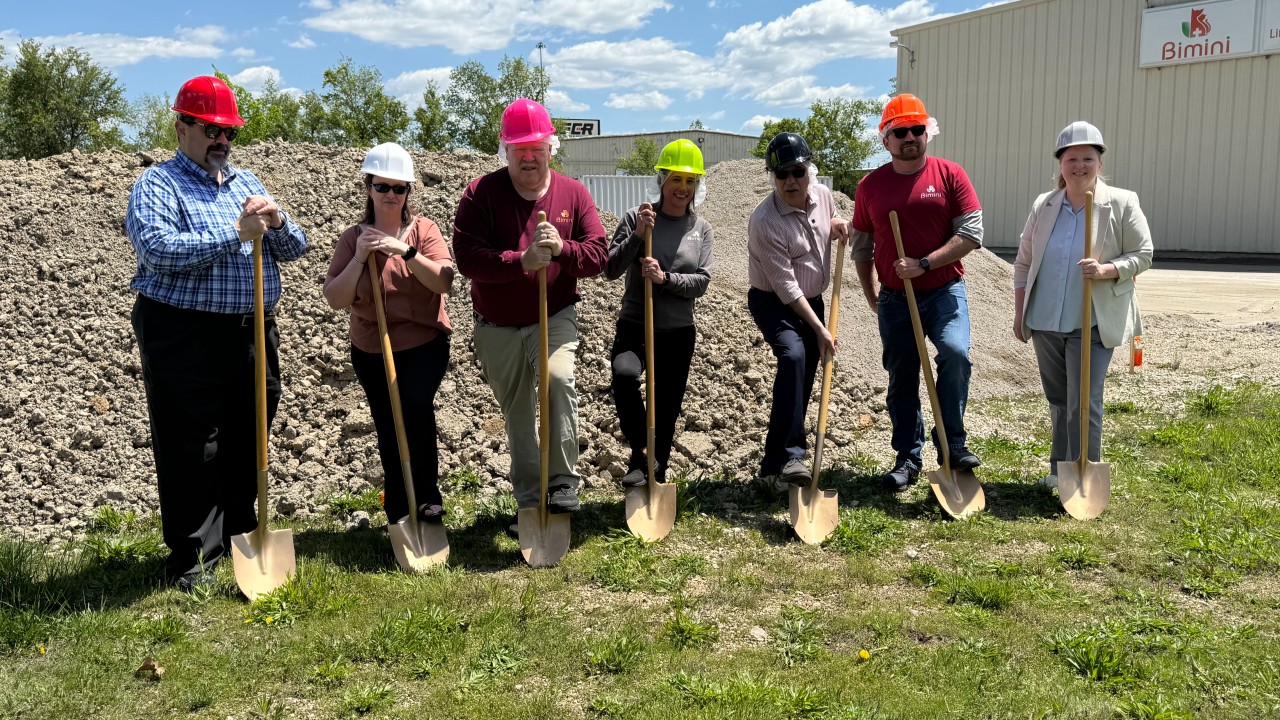
Bimini Pet Health Breaks Ground

Bimini Pet Health Breaks Ground on Next Phase of Growth

Bimini Pet Health has officially begun construction on a new ingredient blending facility at its Topeka headquarters. This latest expansion boosts production capabilities, supports global growth, and brings new jobs to the local community. >> Learn More


The Key Ingredients for Winning Projects & Long-Term Success

For an industry to thrive and win big business, it takes collaboration across various conditions and stakeholders: state and local leadership, a pro-business environment, supportive communities, utility partners, a dynamic innovation ecosystem, and a highly skilled workforce. This month’s blog discusses the secret sauce for lasting growth in an industry.  >> Read Full Blog


Industry News

CATalyst Council Releases First 2025 Market Insights Report: Feline Veterinary Care Emerges as Industry Growth Driver

epiq Animal Health and Interpath Global Launch Second Joint Health Product Offering – This One for Dogs

Dechra Announces FDA Approval of Otiserene® (marbofloxacin, terbinafine, and dexamethasone otic suspension) the latest treatment for canine otitis externa

HILL’S PET NUTRITION ENHANCES HILL’S SCIENCE DIET PORTFOLIO WITH GAME-CHANGING MICROBIOME INNOVATION

Tractor Supply Launches New Tractor Supply Rx With Easy Ordering for Pet and Animal Pharmacy Needs

Darwin’s Ark Teams Up with Hill’s Pet Nutrition and Leading Research Institutions to Explore Cats’ Genetic Code

New perspectives: Why veterinary care is so much more than you may think

Search-and-rescue dog stays mission-ready with help from Mizzou

Zoetis Announces First Quarter 2025 Results

CERES TAG Launches Next-Generation CERES RANCHER(TM) Device, Delivering Smarter Animal Health Intelligence for U.S. Cattle Producers

PBI-Gordon Companies Acquires TriviumVet, Expanding Portfolio of Innovative Treatments in Pet Health

AVMA names Dr. Carlo Siracusa recipient of 2025 Bustad Companion Animal Veterinarian of the Year Award


Save the Date

2026 Animal Health Summit

August 31 – September 1


The Key Ingredients for Winning Large-Scale Animal Health Projects & Building Long-Term Success

Securing large-scale projects in any industry is never a solo effort—it’s a team sport. As the saying goes, “Success has many fathers, but failure is an orphan.” This rings especially true when the stakes are high. To win big, it takes collaboration across various conditions and stakeholders: state and local leadership, a pro-business environment, supportive communities, utility partners, a dynamic innovation ecosystem, and a highly skilled workforce.

While measurable business incentives—such as tax breaks, infrastructure support, and access to capital—are often top of mind when companies evaluate location options, it’s the intangible factors that make all the difference for long-term success. These are the elements that can’t easily be quantified but are critical to ensuring a project’s sustainability and growth over time.

One of the most significant intangibles is how well a project aligns with the region’s economic development strategy. A successful project isn’t about financial incentives alone. It’s about how it fits into a broader vision for the region’s growth and development. When regions invest strategically in industries, they create fertile ground for policy, innovation, workforce development, and the kind of collaborative ecosystem that drives sustained success.

In the case of the KC Animal Health Corridor, this kind of long-term thinking has been key to our rise as a global hub for animal health and bioscience over the last twenty years. The Corridor doesn’t attract companies simply because of its incentives—it draws them because of the strong partnerships, the supportive infrastructure, and the commitment to advancing the industry’s future. Over the last two decades, the Corridor has developed a unique ecosystem where innovation, collaboration, and workforce development thrive, fueling not only short-term wins but also the long-term growth of the animal health sector.

Ultimately, the success of large-scale projects depends on strong business incentives, a pro-business environment and a region that invests in its industries. Regions that align their economic strategy with emerging trends and foster an environment where collaboration and innovation can flourish will win. The Animal Health Corridor is a prime example of what’s possible when the right elements come together to build a sustainable, thriving industry.

Merck Animal Health Grows R&D and Manufacturing Footprint in KC Animal Health Corridor

Congratulations to our partners in De Soto, Kansas, on the selection of Merck Animal Health’s announcement to invest $895 million in the expansion of its manufacturing and R&D operations, creating 200 jobs and 200,000-square-feet of new space.

Merck Animal Health is a research-driven global leader in veterinary medicine, offering one of the industry’s most innovative and scientifically proven portfolios for disease prevention, treatment and control across major farm and companion animal species.

The Kansas City Area Development Council was proud to partner with the following organizations in attracting Merck Animal Health’s expansion to the KC region:

State of Kansas

Kansas Department of Commerce

City of De Soto, Kansas

De Soto Kansas Chamber of Commerce

De Soto Economic Development Council

Evergy

KC Animal Health Corridor

Read the News Release

CERES TAG Launches Next-Generation CERES RANCHER(TM) Device, Delivering Smarter Animal Health Intelligence for U.S. Cattle Producers

New CERES RANCHER device delivers smarter insights, stronger design, and improved efficiency for modern cattle producers across the U.S.

OVERLAND PARK, Kan. – April 28, 2025 – CERES TAG, the global leader in direct-to satellite animal tracking and livestock intelligence, has announced the launch of its newest product, the CERES RANCHER (TM). This advanced technology represents the latest advancement in a series of innovations designed to equip ranchers, producers, veterinarians, and researchers with powerful, real-time insights that strengthen cattle operations from pasture to plate.

Following strong growth in the U.S. market over the first half of 2025 and early success with key partnerships and distribution, CERES TAG has expanded its portfolio with a device that incorporates feedback from years of field use across global operations. The CERES RANCHER builds on the strengths of the original CERES RANCH device, delivering new functionality, durability, and simplicity to producers while maintaining the accuracy and reliability that has defined the company’s reputation.

“This is the next level of livestock intelligence to meet the future and current demands of ranching,” said David Smith, Co-Founder and CEO of CERES TAG. “We’ve listened to producers, researchers, and field experts around the world, and RANCHER is the result of this research. It delivers better analytical data, faster, and with greater ease of use.”

The CERES RANCHER includes improvements in battery performance and a stronger, more rugged housing. It features a simplified application process and a newly designed activation tool that improves alignment and reduces user error. Additionally, its updated algorithms now provide separately reported data for resting and ruminating behaviors, a critical development for producers and researchers seeking to better understand herd activity and efficiency.

As livestock operations across the U.S. face mounting pressure from reduced herd sizes and rising calf prices, tools like CERES RANCHER offer real advantages in herd management. With continuous insights into grazing, movement, health, and behavior, the device supports better decisions, streamlined labor, and increased profitability for producers of all sizes.

“Our platform is not just about location, it’s about insights that help producers be more productive and thrive in today’s competitive environment” Smith added. “We’re focused on improving productivity and profitability with every tag.”

CERES RANCHER will be available through approved distribution channels. The original CERES RANCH device will continue to be offered while supplies last, giving producers the flexibility to choose the product that best meets their operation’s needs.

CERES TAG continues to scale its presence across North America with the mission of redefining ranching through intelligence, not just tracking. With clients including Lykes Bros. Ranch in Florida and research collaborations with the University of Tennessee, the company is quickly establishing itself as an essential platform in modern livestock management.

CERES TAG is the world’s first direct-to-satellite animal health intelligence platform, delivering secure, real-time insights on cattle health, behavior, and location without the need for cellular networks or manual data collection. With operations across the U.S., Australia, and beyond, CERES TAG is reshaping how producers and researchers manage animal health, biosecurity, traceability, and profitability.

For more information about CERES TAG and its innovative solutions, visit www.cerestag.com.


About CERES TAG

CERES TAG is a pioneering Australian company specializing in direct-to-satellite animal monitoring technology. The company’s innovative solutions provide real-time tracking and data analytics for livestock and wildlife, enhancing productivity, profitability and sustainability in the agriculture and conservation sectors. | cerestag.com

Contact:
Cara Neill
cneill@jnaadv.com
913.327.0055