The Connector | September 2025

The Connector, KC Animal Health Corridor logo, woman feeding a cow, a puppy and a kitten

Welcome to The Connector. Fetching the freshest animal health news.

Important Things You Need to Know

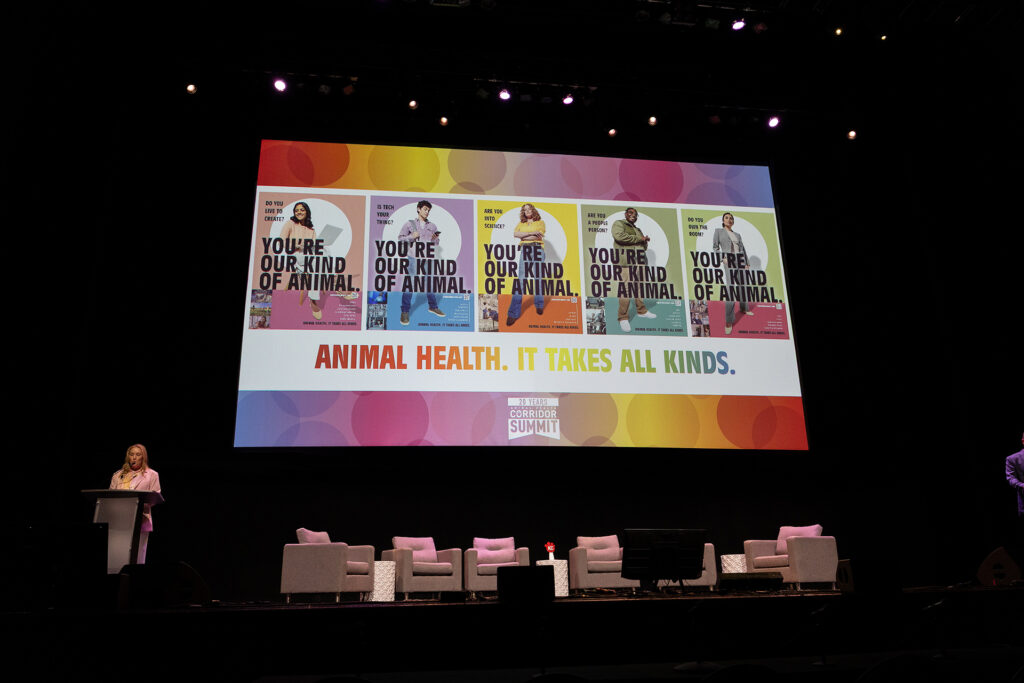
Animal Health Summit stage and big screen

20 Years in the Making. The Future Ahead.

At the 2025 Animal Health Summit, we celebrated two decades of impact in the Corridor and unveiled our new Workforce Recruitment Campaign, a bold initiative designed to attract and grow the next generation of talent. If you missed the energy in the building, don’t miss your chance to help shape the future. Share your ideas for 2026 programming today.

Helping You Build the Future Workforce of Animal Health

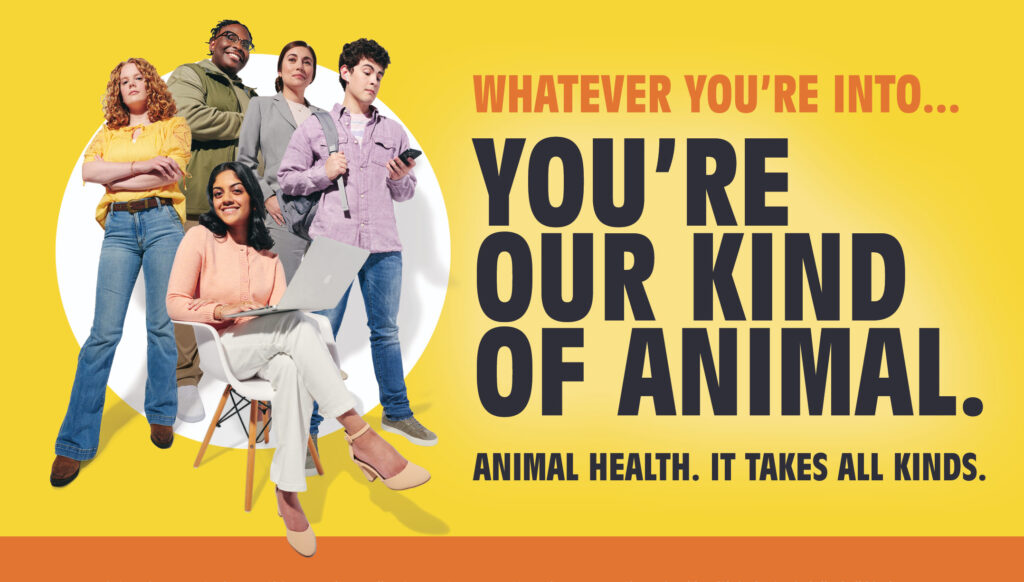
We’ve launched our Workforce Recruitment Campaign to support companies and organizations across the industry in finding and engaging the next generation of talent. This effort is designed with you in mind, providing ready-to-use tools, messaging, and shareable resources to make recruitment easier and more impactful.

All materials are available on ExploreAHCareers.com, where you’ll find everything you need to showcase animal health careers and spotlight our industry as a hub of innovation, impact, and opportunity. Access the toolkit today and put it to work for your organization. Need assistance? Email Corridor Vice President, Emily McVey, with your inquiries!

>> Workforce Recruitment Toolkit

The Corridor’s Can’t-Miss Networking Night

October 21 from 4 to 6 p.m. we’re taking over Vytelle for an evening that’s all about good people, good energy, and a darn good time. This isn’t another box to check. It’s the kind of night you’ll want to show up for. Grab your spot and join the party! >> Register Now


20 Years of Progress, One Future to Build: Join the Animal Health Workforce Movement

For twenty years, the Animal Health Corridor has fueled innovation and growth—attracting companies, creating jobs, and investing billions in the Kansas City region. Now, the focus shifts to the future with the launch of the Workforce Campaign, tackling the industry’s biggest challenge: closing the talent gap. From scientists to storytellers, animal health needs every skill set, and with tools at ExploreAHCareers.com, it’s time for all of us to inspire the next generation to join.  >> Read Full Blog


Industry News

KC Animal Health Corridor at 20: ‘We’ve only scratched the surface’

ELIAS Animal Health to Present New Research at Upcoming Human and Veterinary Oncology Conferences

Chewy Announces Second Quarter 2025 Financial Results

Hill’s Pet Nutrition Announces 2025 Hill’s Global Symposium – “Strong Science, Long Lives” – to Advance Senior Pet Care

National Veterinary Associates names new CEO

Elanco Innovation Builds Momentum, Credelio Quattro™ (lotilaner, moxidectin, praziquantel, and pyrantel chewable tablets) Reaches Blockbuster Status

CERES TAG Partners with Texas A&M AgriLife Research to Advance Livestock Data Collection and Education

LEAH Labs Receives National Science Foundation (NSF) Phase IIB Grant Award

Clipper Distributing and Butterfly Network Announce New Agreement

Plug and Play Topeka Selects New Cohort of 13 Animal Health Startups for Accelerator Program

The Women of Influence program honors the top-ranking women in the Kansas City business community.

Fighting back against a dangerous tick-borne disease

Mizzou graduate student to study service dogs’ health and well-being

Dechra Expands AVMF Scholarship Program, Adding New Category Focused on Anesthesia, Surgery, and Critical Care

Merck Animal Health Reaches Unprecedented Milestone of 2 Million Cows Monitored with SenseHub® Dairy Technology

Boehringer Ingelheim launches swine vaccine with advanced protection against porcine circovirus type 2 in the United States

USDA announces plan to address rural, federal veterinary shortages

HILL’S PET NUTRITION RELEASES 2025 CANADA STATE OF SHELTER PET ADOPTION REPORT


Save the Date

2026 Animal Health Summit

August 31 – September 1


KC Animal Health Corridor at 20: ‘We’ve only scratched the surface’

As the KC Animal Health Corridor celebrates its 20-year anniversary, S&P Global’s head of animal health Joseph Harvey spoke to a range of industry insiders. They revealed how the region has helped shaped their careers and the evolution of the businesses they have worked for.

The KC Animal Health Corridor represents a hotbed of innovation and business development – all focused on veterinary medicine. The Corridor, centered in Kansas City, reaches from Columbia and St Joseph in Missouri to Manhattan in Kansas – an area that features over 300 companies and 20,000 people working in animal health. These companies represent 56% of animal health, diagnostics and pet
food sales worldwide.

The Corridor was established in 2006 and has since welcomed the relocation of about 85 companies, while many of the existing businesses in the region have continued to invest and expand their operations.

The businesses that have moved to the Corridor have enabled over 4,500 new jobs, more than $405 million in new payroll and around $4 billion in new capital investment. In addition, many of these firms started with a small presence in the Corridor and have gone on to grow beyond initial projections. Emerging companies presenting at the Animal Health Summit have raised over $500m, with many notable names getting their first public exposure at the event.

S&P Global Animal Health spoke to several experts about the impact of the Corridor. These included Corridor president Kimberly Young, Scott Bormann (senior vice president of North America operations for Merck Animal Health), Laura Olsen (a recent addition to the Corridor in her role as president of North America and chief marketing officer at Dechra Pharmaceuticals) and Yvonne Hsu (president of Hill’s Pet Nutrition), as well as animal health industry experts Dr Linda Rhodes, Dr Fabian Kausche and Craig
Wallace. The responses have been edited for length and clarity.

Joseph Harvey: When and how did you first become connected to Kansas City and the Corridor?

Kimberly Young: My connection to Kansas City evolved naturally through my work in economic development and public service. I began my career in healthcare administration but a chance conversation at a business event sparked a shift into the public sector. From there, I led workforce and finance initiatives for the State of Kansas and later played a key role in launching a sales and marketing organization for the State of Missouri.

Throughout those roles, I was closely involved with regional economic development efforts and had touchpoints with the Corridor from its inception. Those early interactions gave me a deep appreciation for the Corridor’s mission and potential. When the opportunity to join the organization arose in 2011, it felt like a natural next step in both my professional journey and my commitment to growing the region’s global leadership in animal health.

Laura Olsen: I’ve been in the animal health industry for many years and, over that time, I’ve watched Kansas City – and the Corridor – grow into a true epicenter for innovation, collaboration and leadership in our field. Even from afar, it was clear this community was becoming a hub that attracts talent, fosters partnerships and drives the industry forward. When I stepped into my role at Dechra, I was genuinely excited for the opportunity to not just observe that momentum but to be part of it – to engage directly with the Corridor’s initiatives, contribute to its growth, and invest in the relationships and community that make it so special.

Yvonne Hsu: My connection to the Kansas City area and the Corridor began when I stepped into leadership roles within Hill’s Pet Nutrition. Even early during my time at Hill’s, the Corridor was known as a major hub of significant advancement in animal health, veterinary medicine and bioscience. Now, leading Hill’s Pet Nutrition, and holding a position on the Corridor’s advisory board, my connection is deep and central to my daily work. I’m immersed in its dynamic ecosystem every day.

Craig Wallace: My first connection was during my time at Fort Dodge Animal Health around 2007. Fort Dodge was an early supporter of the idea for an economic development pillar in Kansas City focused on animal health. Later as the chief executive at Ceva Animal Health, I joined the board of the Corridor and participated as chairman in 2012 and 2017.

JH: What do you think makes the Kansas City area so unique?

Scott Bormann: KC is home to the largest concentration of animal health companies in the world, often called the ‘Animal Health Capital of the World’. This concentration creates an expansive ecosystem of manufacturers, research institutions, suppliers and service providers all focused on animal health. The intersection of a strong agricultural heritage, access to top universities and an innovative business environment makes Kansas City an ideal place to be, especially for those of us fortunate to be building careers in animal health.

Craig Wallace: There are historical reasons we have a cluster of animal health assets around Kansas City. We used to have a veterinary school located downtown – the Kansas City Veterinary College (at its peak it was one of the largest in the world). Kansas City was also home for one of the largest stockyards in the world. The combination of science and the concentration of animals created a perfect environment for early animal health entrepreneurs to create and develop new solutions for keeping animals healthy. In
addition, there’s the convergence of railroads, river systems and access to grains and prairie grasses all allowing for the feeding and transportation of animals and goods in and out of the area.

Laura Olsen: As an East Coaster myself, I’ve been struck by how the KC community blends world-class expertise with a welcoming Midwest authenticity. It’s a place where innovation is fueled by relationships and, every time I’m in Kansas City, I feel the energy and sense of purpose that sets it apart.

Yvonne Hsu: The uniqueness of the broader KC area, particularly for animal health, is two-pronged and stems from the sheer concentration of animal health companies within such a compact area. First, we have an incredible talent pool, right here in the Kansas City area, who are bringing a wealth of knowledge to Hill’s, but also to other animal health companies in the Corridor. We also have world-class academic institutions right in our backyard, consistently producing top-tier veterinarians, scientists and business professionals. Second, despite having competitors or industry adjacent companies in close proximity, there is a genuine willingness to work together to advance the industry as a whole.

Kimberly Young: The Corridor is home to everything from biotech innovation labs and research farms to ingredient suppliers, manufacturers, legal experts and marketing firms – all focused specifically on animal health. It therefore has an unparalleled ability to support both the establishment and growth of animal health businesses. The Corridor is guided by a board composed of chief executives and senior leaders from the world’s top animal health companies, providing immediate access to industry expertise, resources and strategic support that simply can’t be found elsewhere.

Linda Rhodes: I first learned of the Corridor when we established Aratana Therapeutics in Kansas City in 2013. Being in the middle of the country, the Corridor is far from the traditional centers for biotech (California and New York). So, perhaps that makes it a good place to try something different and, back in 2013, starting a biotech animal health company was groundbreaking.

JH: What benefits do you think the Corridor offers animal health businesses?

Fabian Kausche: The Corridor provides a unique blend of representing animal health businesses, outreach to other global animal health companies and a focus on connecting start-ups and next-generation innovation. They do all of this throughout the year and especially during the annual Summit – an event that is now a core meeting for the connection between business development teams of large corporations and small start-ups.

Yvonne Hsu: The innovation in this area alone is profound. The concentration of research, coupled with academic partnerships, creates the perfect environment for scientific breakthroughs. This is further amplified by the unparalleled networking and collaboration opportunities that are fostered among businesses. The Corridor is actively working to advance the industry, advocating for policies that support growth and providing resources for businesses to thrive, as well as attracting talent to our industry.

Linda Rhodes: There are plenty of talented support systems in the Corridor – such as legal, PR, accounting, etc. – that generally are more reasonably priced than the coastal equivalents. There is also a critical mass of talent. I was able to recruit the key people I needed at Aratana Therapeutics from the Kanas City area.

Craig Wallace: The Corridor offers everything a business needs to be successful. First, our communities embrace agriculture/animal health and understand the important role it plays in feeding the world, reducing zoonotic diseases and improving the human/animal bond. We have worldclass veterinary universities, research and manufacturing, and our labor force is well educated and they know what working a full day means. Add to all this the quality of life, schools, cost of living and you have a winning formula for attracting businesses.

Kimberly Young: Through strategic workforce development, we help businesses access and grow the specialized talent they need. Our advocacy efforts ensure the industry’s voice is heard on critical policy issues, and our commitment to innovation fuels collaboration between start-ups, research institutions and established companies.

Laura Olsen: The Corridor brings together a concentration of industry expertise, resources and partnerships that you simply can’t find anywhere else. Whether it’s access to top talent, opportunities for innovation through cross-company collaboration or the ability to have a stronger collective voice on industry priorities, the Corridor helps us serve our customers and drive more meaningful impact in the communities where we live and work.

JH: What benefits do you think the Corridor offers animal health employees?

Scott Bormann: Employees in the Corridor enjoy a wide range of career opportunities because of the dense concentration of companies in our region, which provides an array of job opportunities and career paths. Beyond career growth, those of us in the industry benefit from being part of a community of like- minded professionals and enjoy a high quality of life thanks to KC’s affordable cost of living, great schools and family-friendly environment.

Laura Olsen: For employees here in the Corridor, they have the opportunity to be a part of something truly special – a community where they can grow their careers, expand their skills and be part of something bigger than just their own organization. It’s a place where networking happens naturally, mentorship is accessible and opportunities for professional development are abundant.

Craig Wallace: The Corridor offers a range of career options with high-paying jobs and advancement opportunities with any number of potential employers. In the Kansas City metro area, you have outstanding school systems, affordable housing and cost of living expenses and a quality of life that attracts and retains talent from all over the world.

Yvonne Hsu: The Corridor offers a truly unique career landscape, thanks to the wide array of career paths and opportunities for growth. From networking with others in the industry to attending industry events and seminars, employees have the opportunity to continuously learn, grow their skills and build valuable professional relationships. This environment is crucial for developing the next generation of leaders who will drive our industry forward.

JH: How has the Corridor fostered innovation and change in the industry at large?

Yvonne Hsu: The Corridor has been intentional about cultivating an environment where innovation can thrive. The physical infrastructure plays a part, but the strategic support and engagement that has attracted and retained key players has been crucial. Specifically, the Corridor has championed policies and facilitated engagement that led to the development of world-class research facilities and cutting-edge manufacturing capabilities within the region. A prime example of this collaborative success is the establishment of the National Bio and Agro-Defense Facility in Manhattan – a project that came to fruition due in significant part to the strong presence and advocacy of the Corridor and its member companies.

Linda Rhodes: The groundbreaking annual meeting was a real engine for innovation in animal health. To my knowledge, it was one of the first groups to have such a large gathering of key players in the industry and highlighting start-ups was an important part of the meeting. The networking was critically important in matching up talent, capital and entrepreneurs.

Kimberly Young: We foster change by: championing emerging technologies through partnerships with research universities, incubators and accelerators that help turn ideas into market-ready solutions; providing platforms for cross-sector collaboration; driving workforce innovation through targeted talent development initiatives that align with the evolving needs of the industry; and supporting entrepreneurs and start-ups with connections to funding, mentoring and a strong regional network.

Fabian Kausche: The Corridor provides a unique venue that showcases innovative companies, presentations on key innovations and trends in the industry in combination with providing a platform for formal and informal exchanges among industry players, whether they are part of a large corporation, small start-up or individual players.

Laura Olsen: The Corridor provides an environment where ideas can move quickly from concept to reality. By bringing together companies of all sizes, research institutions, investors and talent, it sparks collaborations that wouldn’t happen otherwise. That kind of cross-pollination is what keeps our industry evolving and ensures we’re ready to meet the needs of animals, customers and the market in entirely new ways.

Scott Bormann: The Corridor continues to be the glue that affords our region a synergy that is leading to an array of industry breakthroughs. This concentration of expertise and resources is fueling collective industry progress that’s quite exciting to witness firsthand, and I’m hopeful it will continue to help shape animal health standards and practices for years to come.

Craig Wallace: The Corridor has been a model for industry cooperation around shared values and goals, even among competitors, for years. It stands alone in reputation and its ability to bring government entities, universities, companies and other stakeholders together for a common purpose. In animal health, we understand the value of giving back and building for the future.

JH: How have you seen the Corridor change in recent years?

Kimberly Young: The Corridor has evolved to meet the shifting needs of both established global companies and emerging market entrants. We’ve deepened our support for start-ups and international companies by offering hands-on help with site selection, incentive navigation and workforce planning. Our strategic connections across the industry make us a trusted guide for companies looking to establish and grow their US presence.

Yvonne Hsu: There’s a growing emphasis on leveraging data and digital solutions for animal health, and the Corridor is embracing this technological shift. Beyond the digital transformation, environmental and social responsibility are becoming more central to discussions and business practices, reflecting a deeper commitment to sustainable solutions across the industry. Lastly, the growth of start-ups has been inspiring. While established players remain dominant, there’s been an increase in the number of innovative start-ups choosing to locate within the Corridor. It’s helping to infuse fresh ideas and perspectives into the broader industry.

Fabian Kausche: The Corridor has become more effective and efficient in its execution of its mandate, whether through its efforts in attracting business and government organizations or organizing and executing the Corridor Summit.

JH: How has the Corridor changed your career?

Linda Rhodes: Without the resources we had in Kansas City, it would have been much harder to make Aratana the success that it was. The networking at the annual meeting raised Aratana’s profile and helped in recruiting amazing talent. In 2019, I received the Iron Paw award, which was a wonderful milestone in my career.

Scott Bormann: Being part of the Corridor has provided me with access to industry leaders, cutting-edge research and innovations, and a vibrant professional network. Perhaps most importantly, year after year, it inspires me – the future of animal health is bright and that’s in large part due to the ongoing efforts of the Corridor.

Fabian Kausche: They supported me in many ways in launching the consultant and key opinion leader part of my career. They invited me as speaker, allowed me to sit on the judging panel for the start-up company presentations and became close collaborators and friends in the industry.

JH: What excites you most about the future of the Corridor?

Laura Olsen: The momentum. The Corridor has already established itself as the global hub for our industry but I think we’ve only scratched the surface of what’s possible. I’m excited to see how we can continue to push boundaries together – not just in advancing animal health but in shaping the future of the industry in ways we can’t even imagine yet.

Kimberly Young: What excites me most is the bold step we’re taking to shape the future of the animal health industry through a national branding campaign focused on talent attraction. This initiative is about more than recruitment. It’s about reintroducing animal health as a dynamic, purpose-driven career path, one that offers meaningful work, global impact, and real opportunity for people of all backgrounds and education levels. We want the next generation to see themselves in this industry, not just as jobseekers,
but as innovators, leaders, and change-makers.

Craig Wallace: I’m most excited about the people and talent we’re attracting into our industry. Animal health is full of brilliant, driven and compassionate people committed to doing good. Our industry just continues getting better – all to the benefit of society and our planet. We have big issues to solve but I have no doubt the leadership of animal health and agriculture will help lead the way.

Linda Rhodes: I am pleased to see a growth in the number and quality of start-ups that take advantage of the annual meeting to promote their business and attract capital. As more human biotechs realize the potential of their technologies in animal health, I think the Corridor can play a key role in educating and connecting human pharma and biotech to our industry.

Yvonne Hsu: What excites us most at Hill’s is the continued potential for the Corridor to expand as the global epicenter of innovation and purpose-driven work in animal health. From discovering the next technological breakthrough to meeting the next generation of animal health professionals, I look forward to the next 20 years.

© S&P Global. 2025 Analyst Contact Details: Joseph Harvey

The Connector | August 2025

The Connector, KC Animal Health Corridor logo, woman feeding a cow, a puppy and a kitten

Welcome to The Connector. Fetching the freshest animal health news.

Important Things You Need to Know

Kimberly Young

Kimberly Young Featured In Women’s Business Daily

KC Animal Health Corridor President Kimberly Young was recently profiled by Women’s Business Daily in a powerful interview about leadership, resilience, and building one of the world’s most influential industry clusters. From high-stakes negotiations to work-life integration, Kimberly shares what it means to lead with purpose and on your own terms. >> Full Feature

Remembering Ron Brakke

The Animal Health Corridor extends its deepest condolences to the Brakke family and to the dedicated team he built at Brakke Consulting.

Ron Brakke was not only a pioneer in animal health consulting, but also a passionate advocate for the industry for more than six decades. His unwavering support and visionary leadership were instrumental in shaping the early years of the Animal Health Corridor, and his contributions were honored with the 2014 Iron Paw Award.

Ron’s legacy will continue to inspire and influence the animal health community for years to come. We are grateful for his many contributions and mourn the loss of a true industry icon. >> Read More About Ron Brakke

Fall Networking at Vytelle

Join us October 21 from 4-6 p.m. at Vytelle for an evening of networking with animal health professionals and Corridor colleagues. Mark your calendar now and watch for registration details soon. >> Register Now


Letting Go to Further Grow in Life & Business

As I drop my son off for his freshman year of college, I realize the parallels between business and life’s challenging moments. It’s important we trust the process, because discomfort is where we all grow. >> Read Full Blog


Industry News

Top Pet Innovators Unleashed in 2025 Pet Innovation Awards

Elanco Animal Health Reports Second Quarter 2025 Results

Zoetis Announces Second Quarter 2025 Results, Raises Full Year 2025 Outlook

Merck & Co., Inc., Rahway, N.J., USA Announces Second-Quarter 2025 Financial Results

Akston Expands Leadership Team with Appointment of Two Veterinarians to Advance First-in-Class Biologics for Pets

Department of Agriculture Announces Reorganization Plan

New scientific review program manager named to oversee ingredient submissions pathway

BiomEdit Advances First-of-Its-Kind Engineered Bacteria Product to Final Development Phase, Secures Series B Funding and Adds Key Industry Leadership

Advancing Drug Development with Non-Liquid Matrix Bioanalysis

Merck Animal Health Announces FDA Approval of EXZOLT™ (fluralaner oral solution) for Chickens, the First Systemic Treatment for Northern Fowl Mites

Connect Veterinary Consulting Announces New Service Offering

From the livestock barn to the pageant stage, the Missouri State Fair offers young agriculturalists unique leadership roles

AVMA and ACVIM honor Joan Coates

White Label vs. Private Label: What’s the Difference—and Where’s the Opportunity?

‘Mini farm bill’ funds national animal disease research and management

Startups across the pet industry can apply for a chance to win up to $50,000 in non-dilutive funding

COST, GUILT AND DOUBT: HILL’S PET NUTRITION’S 2025 STATE OF SHELTER PET ADOPTION REPORT REVEALS WHY PETS STILL WAIT IN SHELTERS

Shelter Pets Get Their Big Break as Actor Josh Hutcherson Joins Hill’s Pet Nutrition During Annual NBCUniversal Local’s Clear The Shelters


Save the Date

2026 Animal Health Summit

August 31 – September 1


Letting Go to Further Grow in Life & Business

This month, I did something I’ve been mentally preparing for: I dropped my one and only child off at college.

The moment was full of pride, excitement, and more than a few quiet tears. As we helped set up his dorm room and made our final Target run, I found myself reflecting on how this experience mirrors lessons I’ve learned, and sometimes relearned, in business.

Trust the Process

As a parent, you spend years investing in your child: teaching, guiding, preparing. For me, I didn’t get the full 18 years, as I adopted my son when he was 11, but there was a lot packed into nearly a decade. It is hard to step back, and trust they’re ready. It’s no different in business. Whether you’re launching a new product or program, promoting a team member, or entering a new market, you do everything you can to prepare and then at some point you let go. Leaders must move from doing to trusting.

Growth Happens in Discomfort

College is the beginning of a new identity for your child, just like any pivot or scale-up is for a business. Both involve risk, unfamiliarity, and the discomfort that comes with stretching boundaries. And yet, we know this is where growth happens. Businesses, like people, don’t grow when things are easy, they grow when challenged.

Foundations Matter

Every lesson, value, and habit we try to instill in our children forms a foundation they now carry with them. In business, your culture, mission, and early decisions become that foundation. You can’t predict every obstacle your team or company will face, but if the groundwork is solid, they’ll have what they need to adapt and thrive.

Celebrate the Milestones

I’ve come to realize in both parenting and business, we don’t pause often enough to celebrate wins. It’s important to take a moment to appreciate the journey, whether it’s your child starting their next chapter or your team achieving a major goal. Reflecting on progress can create momentum. Enjoy the small wins along the way! 

You’re Still Part of the Journey

Just because we step back doesn’t mean we step away. I’ll still be a call or text away for my son, and in business, great leaders know how to stay engaged without micromanaging. Your role evolves, but your presence still matters.

As we drove home, the empty seat in the car was a stark reminder of change but also growth. The same holds true in business: moments of letting go aren’t signs of loss. These are signs that something is working and that what you’ve built is strong enough to continue without your constant presence. 

And in both parenting and business, isn’t that the ultimate goal?

Now, excuse me while I go grab a Kleenex.

The Connector | July 2025

The Connector, KC Animal Health Corridor logo, woman feeding a cow, a puppy and a kitten

Welcome to The Connector. Fetching the freshest animal health news.

Important Things You Need to Know

Big Things Await at the 2025 Animal Health Summit

Early Bird Registration Ends July 18
Lock in your spot before prices go up. You’ll get access to two days of industry networking, emerging company showcases, and business partnering meetings—all in one place.

1:1 Business Partnering Opens July 21
Mark your calendars: 1:1 partnering opens July 21, giving you the chance to schedule high-impact meetings with partners, investors, and collaborators at the Summit.

New Technologies You’ll Want to See
From AI copilots and feline cancer treatments to smart harnesses and advanced diagnostics, this year’s emerging companies are redefining animal health. Don’t miss what’s next.

What’s Shaping Animal Health Now and What’s Next

Register today and join us August 5 at 10:00 am CDT for the Animalytix Mid-Year Market Update, a virtual event delivering the latest data, insights, and trends in animal health to help you navigate the rest of 2025.

Your registration does more than unlock insights – proceeds will support On A Mission KC, our 2025 Spirit of Service honoree, helping deliver critical resources and supplies to rural animal shelters across Kansas and Missouri.

>> Register Now

Fall Networking at Vytelle

Join us October 21 from 4-6 p.m. at Vytelle for an evening of networking with animal health professionals and Corridor colleagues. Mark your calendar now and watch for registration details soon. >> Save The Date


Creating a Cat-Forward Animal Health Industry

As more families welcome cats into their homes, it’s pertinent that the animal health industry adapts from a canine-first model to one that embraces feline health and wellness as a priority. Hear how we can do just that in this month’s blog.  >> Read Full Blog


Industry News

Hill’s Pet Nutrition names Hsu president

CERES TAG and Noble Research Institute Announce Exclusive Research Agreement

Bimini Pet Health Earns Prestigious NASC Preferred Supplier Designation

Vytelle’s New 2024 Global Pregnancy Summary Highlights Consistently High Success Rates Across Seven Countries

New Study Launches to Investigate Burnout Among Relief Veterinarians

10 powerful impacts from ReCHAI’s first 20 years

Elanco Announces Milestones Expanding Access to Canine Parvovirus Monoclonal Antibody (CPMA) to Veterinarians and Shelters Across the Country  

Spotlighting Innovation in Agriculture

Burns & McDonnell Donates Over $1 Million to Inspire Future STEM Leaders Through Expanded Science Center Partnerships

Hill’s Pet Nutrition launches new urinary, hairball control formulas

The Countdown Begins: With One Year To Go Until the FIFA World Cup 26™, KC2026 Unveils Official Countdown Clocks, Announces Official Host City Supporters of the Kansas City World Cup 2026

High School Students Learn To Lead the Animal Science Industry

Zoetis to Host Webcast and Conference Call on Second Quarter 2025 Financial Results

Elanco Releases 2024 Impact Report and Introduces New Framework  

Landmark study sheds light on veterinary patient safety events

A Fly Of A Different Color

2025 Animal Health Conference to Feature Dynamic Speaker Lineup Across Pharmaceuticals, Biologics and Nutrition


Save the Date

2026 Animal Health Summit

August 31 – September 1


Creating a Cat-Forward Animal Health Industry

While felines have always had a prominent part in family life, and even history, domesticated cats as pets is steadily climbing. With increased cat ownership globally, especially among urban, single-person, and millennial households, the animal health industry must adapt rapidly to meet the needs of feline health.

1. More Feline-Specific R&D Funding
Cats have historically been underserved in pharmaceutical development. Many treatments are dog-adapted, not cat-designed. But cats have unique physiology, metabolism, and behavior that demand tailored approaches.

Industry Solution- As an industry, we need to allocate more resources for research and development within pharma and biotech to develop feline-specific therapies. There also needs to be more global collaboration and cross-border research on feline zoonoses and aging.

2. Veterinary Education Updates to Close the Cat Care Gap
Veterinarians often receive less training in feline-specific diseases, behavior, and handling—despite cats being the most common pet in many regions.

Industry Solution- We need to work collaboratively with veterinary schools and the AVMA to reform curriculum to embed feline medicine as a core and not a specialization. Encouraging veterinary schools to develop clinical rotation partnerships with cat-only clinics and providing certification and CE programs that are feline-only tracks will take the next generation of veterinarians to a better place for servicing felines. And, finally, we need to develop online learning for busy veterinarians and veterinary technicians focused on feline pain, stress, and subtle symptom detection. 

3. Policy and Regulatory Advocacy 
There are fewer drugs and diagnostics approved specifically for cats in part due to small market assumptions and lack of feline-specific studies.

Industry Solution- We need to work with leading public policy organizations to make feline health a priority. Engage with regulators, create feline-specific pathways and find ways to reduce trial costs for small-market species, like cats.

The surge in cat ownership is more than a trend, it’s a transformational opportunity. By shifting from a dog-first model to a species-specific innovation ecosystem, the animal health industry can improve outcomes, open new markets, and meet the evolving expectations of cat owners worldwide.

The Connector | June 2025

The Connector, KC Animal Health Corridor logo, woman feeding a cow, a puppy and a kitten

Welcome to The Connector. Fetching the freshest animal health news.

Important Things You Need to Know

Headshots of  Fiona Rey of Elanco, Dr. Fatou Sow of Boehringer Ingelheim and Dr. Jill Stohs of Dechra

Welcome New Board Members: Fiona Rey, Dr. Fatou Sow and Dr. Jill Stohs

We’re excited to welcome Fiona Rey of Elanco, Dr. Fatou Sow of Boehringer Ingelheim and Dr. Jill Stohs of Dechra to the Animal Health Corridor Board of Directors. These industry leaders bring incredible energy, insight, and passion to the table. We’re excited to have them on board as we continue moving the industry forward together. >> Meet Our New Board Members

Coming Soon: Your Mid-Year Animal Health Market Snapshot

What’s shaping the animal health market right now? What’s ahead for the rest of the year?

Join us August 5th at 10:00 am CDT for the Animalytix Mid-Year Market Update, a virtual event with the latest data, insights, and market trends you can use. All proceeds from registrations benefit the Spirit of Service program. >> Register Now

Don’t Miss What’s Coming. Early Bird Registration Ends Soon.

You’ve seen the tease. Now’s your chance to be part of it.

Something big is coming to the Corridor, and it all comes together at the Animal Health Summit on August 25-26 in Kansas City.

Early-bird registration ends July 18. Lock in your spot today.

U.S. Food & Drug Administration Logo

Register Now: FDA’s Animal Drug User Fee Educational Conference

The FDA is hosting the Second Annual Animal Drug User Fee Educational Conference on July 15. This public meeting will cover updates and insights on the animal drug approval process as part of the ongoing ADUFA reauthorization efforts. >> Get the Details


Supporting Career Growth Without Holding People Back

As a leader, watching someone on your team grow into their next opportunity can feel like a double-edged sword: pride in their progress paired with the sting of loss. You want to be the kind of leader who champions careers. However, when that growth means leaving the team, it can get complicated. This month’s blog dives into ways to help both sides find success today and down the road. >> Read Full Blog

Industry News

Merck Animal Health Manufacturing Investment | De Soto, Kansas

Dr. Mark Stetter Elected to Zoetis Board of Directors

FDA Approves Merck Animal Health’s MOMETAMAX SINGLE™  to Treat Otitis Externa in Dogs

Zoetis Launches AI Masses, the New AI-Powered Cytologic Capability for Vetscan Imagyst®

HILL’S PET NUTRITION AND HARVARD T.H. CHAN SCHOOL OF PUBLIC HEALTH RESEARCHER DEEPEN COLLABORATION TO ADVANCE PET MICROBIOME SCIENCE AND INNOVATION

Animal Health Regulatory Affairs: Pharma | Bio | Nutrition

Merck Animal Health Announces the Availability of ARMATREX™ Spray-On Antimicrobial Solution in Partnership with Good Salt™ Life, LLC

Purina Provides Over 30,000 Pounds of Food and Dedicates More Than 5,000 Volunteer Hours to Helping People and Pets in Need During 24th Purina Cares Day

Zoetis Releases 2024 Sustainability Progress Update

Flying High with Fido: BARK Air, a New Era of Pet-Friendly Travel

K-State Olathe celebrates graduates, new academic programs

Moser to serve as interim dean of College of Agriculture

Mizzou scientists create a novel genetically engineered pig model for early-onset Alzheimer’s disease


Save the Date

2026 Animal Health Summit

August 31 – September 1


Supporting Career Growth Without Holding People Back

As a leader, watching someone on your team grow into their next opportunity can feel like a double-edged sword: pride in their progress paired with the sting of loss. You want to be the kind of leader who champions careers. However, when that growth means leaving the team, it can get complicated.

How do you strike the right balance? 

How do you mentor someone without micromanaging their path or worse, stalling it?

Here are a few tips for mentoring and encouraging upward or outward mobility, from someone who has moved for career advancements personally.

1. Normalize Career Growth — Even if It Means Leaving
If your team only hears praise for loyalty and longevity, they’ll feel torn when ambition pulls them elsewhere. Set a tone early that career progression is expected and supported both inside and outside your organization. Be focused on helping your team grow, even if one day that growth takes them beyond your team and organization.

When people know you care about them beyond their current role, they’re more likely to bring you into the conversation early, not at the resignation letter stage.

2. Shift From Ownership to Stewardship
It’s easy to feel possessive of top talent, especially if you’ve invested time and energy in their success. But strong leaders don’t own people, they steward their growth. Make sure you are not holding onto talent because they are essential, and you are uncomfortable with change. Be proud to see them thrive somewhere else.

3. Build Development into the Everyday
Don’t wait for someone to express a desire to leave to start talking about development. Regularly check in with team members on skills they want to develop, experiences they’re curious about, and roles they envision long-term. Regardless of if they stay, the investment pays off in motivation and a feeling that they matter to the team and organization.

4. Celebrate Wins with Grace
When someone lands a new opportunity, fight the urge to make it personal. Reinforce how proud you are of them, how they have earned the new opportunity and how grateful you are for everything they contributed to the team. That moment of grace will define how people remember your leadership.

5. Create a Legacy Culture
When people leave, help them shape their legacy. Have them document their knowledge, mentor others, or reflect on what they learned. Let them know their time mattered and contributions made a difference. Make sure the team hears you and sees you championing growth for those that stay and those that go. 

People don’t just talk about how you managed them, they talk about how you supported their next move. Be the kind of leader they thank in LinkedIn posts, job interviews, and years down the road. In the end, your legacy as a leader isn’t how many people stay under you, it’s how many grow because of you.

The Connector | May 2025

The Connector, KC Animal Health Corridor logo, woman feeding a cow, a puppy and a kitten

Welcome to The Connector. Fetching the freshest animal health news.

Important Things You Need to Know

Something Big Is Coming: Le's see how big Animal Health can get. Animal Health Corridor Summit

Something BIG is about to drop at the Animal Health Summit 👀

Circle August 25-26 because this year, the Summit isn’t just back, it’s bringing something new to the table. The kind of announcement people will be talking about.

We’re keeping it quiet for now… but trust us, you’ll want a front-row seat when it hits.

Merck Animal Health logo

Merck Animal Health Announces Major Expansion in the KC Region

Merck Animal Health is growing its Center of Excellence in De Soto, Kansas with a $895 million investment in the site’s existing manufacturing facility. The project includes 200,000 square feet of new manufacturing and research space, 200 new facility jobs, and 2,500 construction jobs. >> Get the Details

Bimini Pet Health Breaks Ground

Bimini Pet Health Breaks Ground on Next Phase of Growth

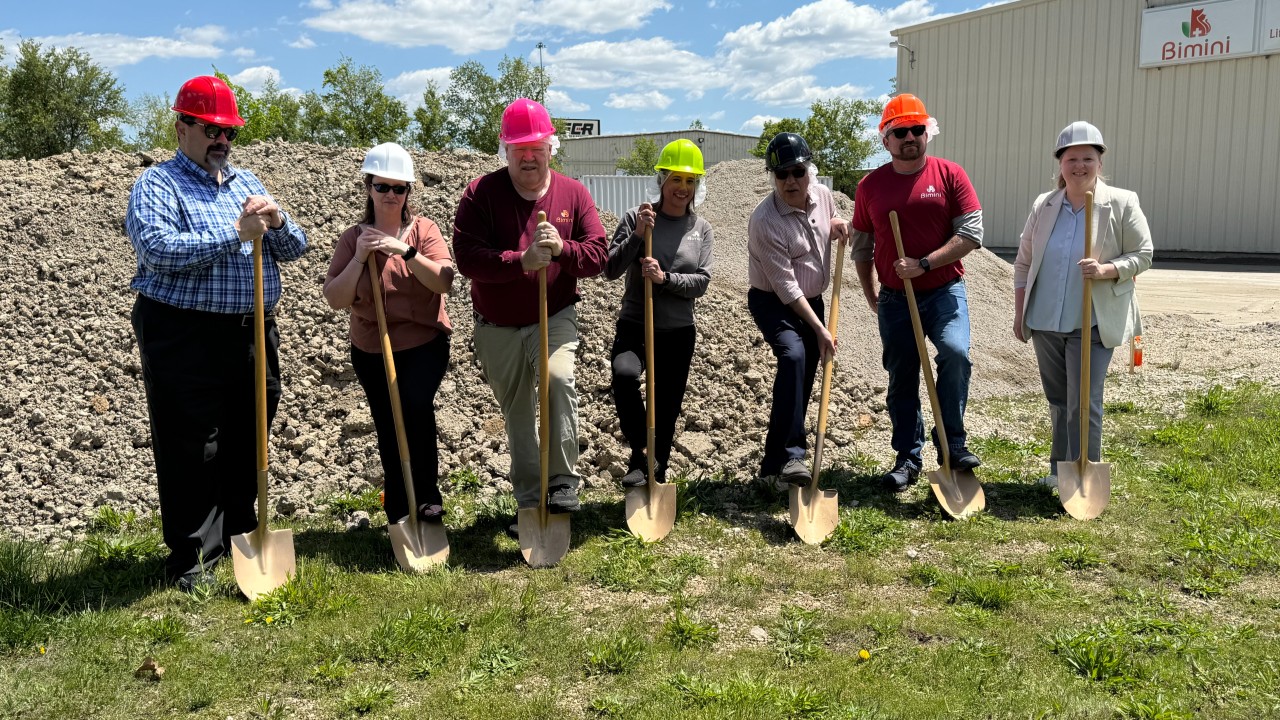
Bimini Pet Health has officially begun construction on a new ingredient blending facility at its Topeka headquarters. This latest expansion boosts production capabilities, supports global growth, and brings new jobs to the local community. >> Learn More


The Key Ingredients for Winning Projects & Long-Term Success

For an industry to thrive and win big business, it takes collaboration across various conditions and stakeholders: state and local leadership, a pro-business environment, supportive communities, utility partners, a dynamic innovation ecosystem, and a highly skilled workforce. This month’s blog discusses the secret sauce for lasting growth in an industry.  >> Read Full Blog


Industry News

CATalyst Council Releases First 2025 Market Insights Report: Feline Veterinary Care Emerges as Industry Growth Driver

epiq Animal Health and Interpath Global Launch Second Joint Health Product Offering – This One for Dogs

Dechra Announces FDA Approval of Otiserene® (marbofloxacin, terbinafine, and dexamethasone otic suspension) the latest treatment for canine otitis externa

HILL’S PET NUTRITION ENHANCES HILL’S SCIENCE DIET PORTFOLIO WITH GAME-CHANGING MICROBIOME INNOVATION

Tractor Supply Launches New Tractor Supply Rx With Easy Ordering for Pet and Animal Pharmacy Needs

Darwin’s Ark Teams Up with Hill’s Pet Nutrition and Leading Research Institutions to Explore Cats’ Genetic Code

New perspectives: Why veterinary care is so much more than you may think

Search-and-rescue dog stays mission-ready with help from Mizzou

Zoetis Announces First Quarter 2025 Results

CERES TAG Launches Next-Generation CERES RANCHER(TM) Device, Delivering Smarter Animal Health Intelligence for U.S. Cattle Producers

PBI-Gordon Companies Acquires TriviumVet, Expanding Portfolio of Innovative Treatments in Pet Health

AVMA names Dr. Carlo Siracusa recipient of 2025 Bustad Companion Animal Veterinarian of the Year Award


Save the Date

2026 Animal Health Summit

August 31 – September 1