As the KC Animal Health Corridor celebrates its 20-year anniversary, S&P Global’s head of animal health Joseph Harvey spoke to a range of industry insiders. They revealed how the region has helped shaped their careers and the evolution of the businesses they have worked for.
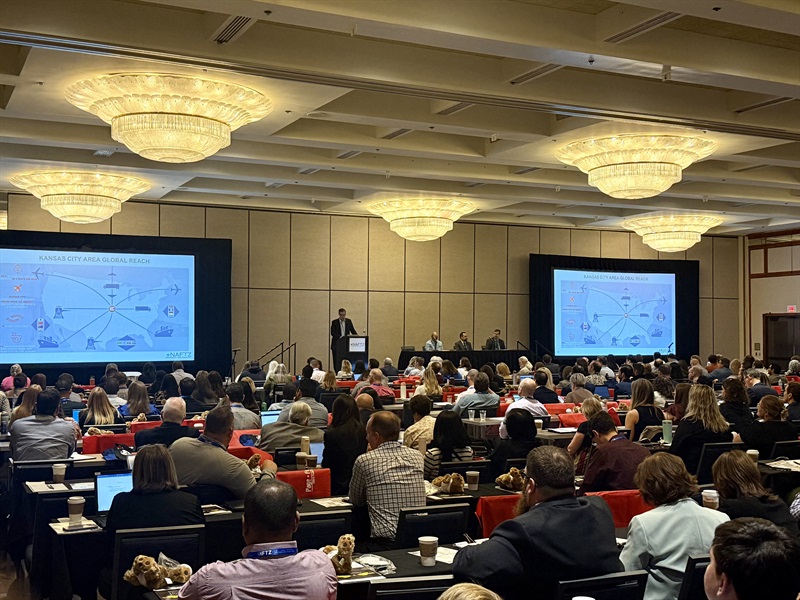
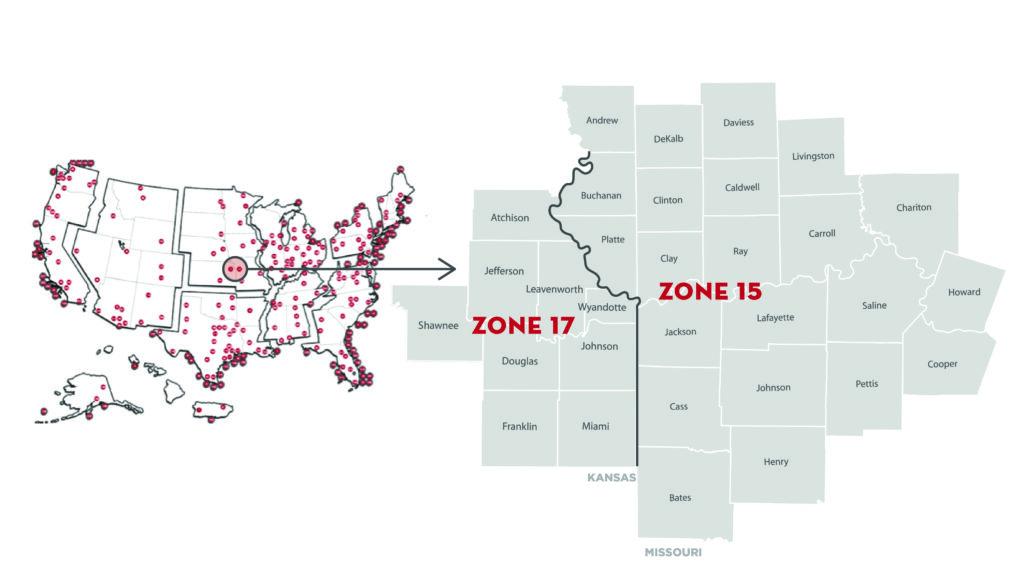
The KC Animal Health Corridor represents a hotbed of innovation and business development – all focused on veterinary medicine. The Corridor, centered in Kansas City, reaches from Columbia and St Joseph in Missouri to Manhattan in Kansas – an area that features over 300 companies and 20,000 people working in animal health. These companies represent 56% of animal health, diagnostics and pet
food sales worldwide.
The Corridor was established in 2006 and has since welcomed the relocation of about 85 companies, while many of the existing businesses in the region have continued to invest and expand their operations.
The businesses that have moved to the Corridor have enabled over 4,500 new jobs, more than $405 million in new payroll and around $4 billion in new capital investment. In addition, many of these firms started with a small presence in the Corridor and have gone on to grow beyond initial projections. Emerging companies presenting at the Animal Health Summit have raised over $500m, with many notable names getting their first public exposure at the event.
S&P Global Animal Health spoke to several experts about the impact of the Corridor. These included Corridor president Kimberly Young, Scott Bormann (senior vice president of North America operations for Merck Animal Health), Laura Olsen (a recent addition to the Corridor in her role as president of North America and chief marketing officer at Dechra Pharmaceuticals) and Yvonne Hsu (president of Hill’s Pet Nutrition), as well as animal health industry experts Dr Linda Rhodes, Dr Fabian Kausche and Craig
Wallace. The responses have been edited for length and clarity.
Joseph Harvey: When and how did you first become connected to Kansas City and the Corridor?
Kimberly Young: My connection to Kansas City evolved naturally through my work in economic development and public service. I began my career in healthcare administration but a chance conversation at a business event sparked a shift into the public sector. From there, I led workforce and finance initiatives for the State of Kansas and later played a key role in launching a sales and marketing organization for the State of Missouri.
Throughout those roles, I was closely involved with regional economic development efforts and had touchpoints with the Corridor from its inception. Those early interactions gave me a deep appreciation for the Corridor’s mission and potential. When the opportunity to join the organization arose in 2011, it felt like a natural next step in both my professional journey and my commitment to growing the region’s global leadership in animal health.
Laura Olsen: I’ve been in the animal health industry for many years and, over that time, I’ve watched Kansas City – and the Corridor – grow into a true epicenter for innovation, collaboration and leadership in our field. Even from afar, it was clear this community was becoming a hub that attracts talent, fosters partnerships and drives the industry forward. When I stepped into my role at Dechra, I was genuinely excited for the opportunity to not just observe that momentum but to be part of it – to engage directly with the Corridor’s initiatives, contribute to its growth, and invest in the relationships and community that make it so special.
Yvonne Hsu: My connection to the Kansas City area and the Corridor began when I stepped into leadership roles within Hill’s Pet Nutrition. Even early during my time at Hill’s, the Corridor was known as a major hub of significant advancement in animal health, veterinary medicine and bioscience. Now, leading Hill’s Pet Nutrition, and holding a position on the Corridor’s advisory board, my connection is deep and central to my daily work. I’m immersed in its dynamic ecosystem every day.
Craig Wallace: My first connection was during my time at Fort Dodge Animal Health around 2007. Fort Dodge was an early supporter of the idea for an economic development pillar in Kansas City focused on animal health. Later as the chief executive at Ceva Animal Health, I joined the board of the Corridor and participated as chairman in 2012 and 2017.
JH: What do you think makes the Kansas City area so unique?
Scott Bormann: KC is home to the largest concentration of animal health companies in the world, often called the ‘Animal Health Capital of the World’. This concentration creates an expansive ecosystem of manufacturers, research institutions, suppliers and service providers all focused on animal health. The intersection of a strong agricultural heritage, access to top universities and an innovative business environment makes Kansas City an ideal place to be, especially for those of us fortunate to be building careers in animal health.
Craig Wallace: There are historical reasons we have a cluster of animal health assets around Kansas City. We used to have a veterinary school located downtown – the Kansas City Veterinary College (at its peak it was one of the largest in the world). Kansas City was also home for one of the largest stockyards in the world. The combination of science and the concentration of animals created a perfect environment for early animal health entrepreneurs to create and develop new solutions for keeping animals healthy. In
addition, there’s the convergence of railroads, river systems and access to grains and prairie grasses all allowing for the feeding and transportation of animals and goods in and out of the area.
Laura Olsen: As an East Coaster myself, I’ve been struck by how the KC community blends world-class expertise with a welcoming Midwest authenticity. It’s a place where innovation is fueled by relationships and, every time I’m in Kansas City, I feel the energy and sense of purpose that sets it apart.
Yvonne Hsu: The uniqueness of the broader KC area, particularly for animal health, is two-pronged and stems from the sheer concentration of animal health companies within such a compact area. First, we have an incredible talent pool, right here in the Kansas City area, who are bringing a wealth of knowledge to Hill’s, but also to other animal health companies in the Corridor. We also have world-class academic institutions right in our backyard, consistently producing top-tier veterinarians, scientists and business professionals. Second, despite having competitors or industry adjacent companies in close proximity, there is a genuine willingness to work together to advance the industry as a whole.
Kimberly Young: The Corridor is home to everything from biotech innovation labs and research farms to ingredient suppliers, manufacturers, legal experts and marketing firms – all focused specifically on animal health. It therefore has an unparalleled ability to support both the establishment and growth of animal health businesses. The Corridor is guided by a board composed of chief executives and senior leaders from the world’s top animal health companies, providing immediate access to industry expertise, resources and strategic support that simply can’t be found elsewhere.
Linda Rhodes: I first learned of the Corridor when we established Aratana Therapeutics in Kansas City in 2013. Being in the middle of the country, the Corridor is far from the traditional centers for biotech (California and New York). So, perhaps that makes it a good place to try something different and, back in 2013, starting a biotech animal health company was groundbreaking.
JH: What benefits do you think the Corridor offers animal health businesses?
Fabian Kausche: The Corridor provides a unique blend of representing animal health businesses, outreach to other global animal health companies and a focus on connecting start-ups and next-generation innovation. They do all of this throughout the year and especially during the annual Summit – an event that is now a core meeting for the connection between business development teams of large corporations and small start-ups.
Yvonne Hsu: The innovation in this area alone is profound. The concentration of research, coupled with academic partnerships, creates the perfect environment for scientific breakthroughs. This is further amplified by the unparalleled networking and collaboration opportunities that are fostered among businesses. The Corridor is actively working to advance the industry, advocating for policies that support growth and providing resources for businesses to thrive, as well as attracting talent to our industry.
Linda Rhodes: There are plenty of talented support systems in the Corridor – such as legal, PR, accounting, etc. – that generally are more reasonably priced than the coastal equivalents. There is also a critical mass of talent. I was able to recruit the key people I needed at Aratana Therapeutics from the Kanas City area.
Craig Wallace: The Corridor offers everything a business needs to be successful. First, our communities embrace agriculture/animal health and understand the important role it plays in feeding the world, reducing zoonotic diseases and improving the human/animal bond. We have worldclass veterinary universities, research and manufacturing, and our labor force is well educated and they know what working a full day means. Add to all this the quality of life, schools, cost of living and you have a winning formula for attracting businesses.
Kimberly Young: Through strategic workforce development, we help businesses access and grow the specialized talent they need. Our advocacy efforts ensure the industry’s voice is heard on critical policy issues, and our commitment to innovation fuels collaboration between start-ups, research institutions and established companies.
Laura Olsen: The Corridor brings together a concentration of industry expertise, resources and partnerships that you simply can’t find anywhere else. Whether it’s access to top talent, opportunities for innovation through cross-company collaboration or the ability to have a stronger collective voice on industry priorities, the Corridor helps us serve our customers and drive more meaningful impact in the communities where we live and work.
JH: What benefits do you think the Corridor offers animal health employees?
Scott Bormann: Employees in the Corridor enjoy a wide range of career opportunities because of the dense concentration of companies in our region, which provides an array of job opportunities and career paths. Beyond career growth, those of us in the industry benefit from being part of a community of like- minded professionals and enjoy a high quality of life thanks to KC’s affordable cost of living, great schools and family-friendly environment.
Laura Olsen: For employees here in the Corridor, they have the opportunity to be a part of something truly special – a community where they can grow their careers, expand their skills and be part of something bigger than just their own organization. It’s a place where networking happens naturally, mentorship is accessible and opportunities for professional development are abundant.
Craig Wallace: The Corridor offers a range of career options with high-paying jobs and advancement opportunities with any number of potential employers. In the Kansas City metro area, you have outstanding school systems, affordable housing and cost of living expenses and a quality of life that attracts and retains talent from all over the world.
Yvonne Hsu: The Corridor offers a truly unique career landscape, thanks to the wide array of career paths and opportunities for growth. From networking with others in the industry to attending industry events and seminars, employees have the opportunity to continuously learn, grow their skills and build valuable professional relationships. This environment is crucial for developing the next generation of leaders who will drive our industry forward.
JH: How has the Corridor fostered innovation and change in the industry at large?
Yvonne Hsu: The Corridor has been intentional about cultivating an environment where innovation can thrive. The physical infrastructure plays a part, but the strategic support and engagement that has attracted and retained key players has been crucial. Specifically, the Corridor has championed policies and facilitated engagement that led to the development of world-class research facilities and cutting-edge manufacturing capabilities within the region. A prime example of this collaborative success is the establishment of the National Bio and Agro-Defense Facility in Manhattan – a project that came to fruition due in significant part to the strong presence and advocacy of the Corridor and its member companies.
Linda Rhodes: The groundbreaking annual meeting was a real engine for innovation in animal health. To my knowledge, it was one of the first groups to have such a large gathering of key players in the industry and highlighting start-ups was an important part of the meeting. The networking was critically important in matching up talent, capital and entrepreneurs.
Kimberly Young: We foster change by: championing emerging technologies through partnerships with research universities, incubators and accelerators that help turn ideas into market-ready solutions; providing platforms for cross-sector collaboration; driving workforce innovation through targeted talent development initiatives that align with the evolving needs of the industry; and supporting entrepreneurs and start-ups with connections to funding, mentoring and a strong regional network.
Fabian Kausche: The Corridor provides a unique venue that showcases innovative companies, presentations on key innovations and trends in the industry in combination with providing a platform for formal and informal exchanges among industry players, whether they are part of a large corporation, small start-up or individual players.
Laura Olsen: The Corridor provides an environment where ideas can move quickly from concept to reality. By bringing together companies of all sizes, research institutions, investors and talent, it sparks collaborations that wouldn’t happen otherwise. That kind of cross-pollination is what keeps our industry evolving and ensures we’re ready to meet the needs of animals, customers and the market in entirely new ways.
Scott Bormann: The Corridor continues to be the glue that affords our region a synergy that is leading to an array of industry breakthroughs. This concentration of expertise and resources is fueling collective industry progress that’s quite exciting to witness firsthand, and I’m hopeful it will continue to help shape animal health standards and practices for years to come.
Craig Wallace: The Corridor has been a model for industry cooperation around shared values and goals, even among competitors, for years. It stands alone in reputation and its ability to bring government entities, universities, companies and other stakeholders together for a common purpose. In animal health, we understand the value of giving back and building for the future.
JH: How have you seen the Corridor change in recent years?
Kimberly Young: The Corridor has evolved to meet the shifting needs of both established global companies and emerging market entrants. We’ve deepened our support for start-ups and international companies by offering hands-on help with site selection, incentive navigation and workforce planning. Our strategic connections across the industry make us a trusted guide for companies looking to establish and grow their US presence.
Yvonne Hsu: There’s a growing emphasis on leveraging data and digital solutions for animal health, and the Corridor is embracing this technological shift. Beyond the digital transformation, environmental and social responsibility are becoming more central to discussions and business practices, reflecting a deeper commitment to sustainable solutions across the industry. Lastly, the growth of start-ups has been inspiring. While established players remain dominant, there’s been an increase in the number of innovative start-ups choosing to locate within the Corridor. It’s helping to infuse fresh ideas and perspectives into the broader industry.
Fabian Kausche: The Corridor has become more effective and efficient in its execution of its mandate, whether through its efforts in attracting business and government organizations or organizing and executing the Corridor Summit.
JH: How has the Corridor changed your career?
Linda Rhodes: Without the resources we had in Kansas City, it would have been much harder to make Aratana the success that it was. The networking at the annual meeting raised Aratana’s profile and helped in recruiting amazing talent. In 2019, I received the Iron Paw award, which was a wonderful milestone in my career.
Scott Bormann: Being part of the Corridor has provided me with access to industry leaders, cutting-edge research and innovations, and a vibrant professional network. Perhaps most importantly, year after year, it inspires me – the future of animal health is bright and that’s in large part due to the ongoing efforts of the Corridor.
Fabian Kausche: They supported me in many ways in launching the consultant and key opinion leader part of my career. They invited me as speaker, allowed me to sit on the judging panel for the start-up company presentations and became close collaborators and friends in the industry.
JH: What excites you most about the future of the Corridor?
Laura Olsen: The momentum. The Corridor has already established itself as the global hub for our industry but I think we’ve only scratched the surface of what’s possible. I’m excited to see how we can continue to push boundaries together – not just in advancing animal health but in shaping the future of the industry in ways we can’t even imagine yet.
Kimberly Young: What excites me most is the bold step we’re taking to shape the future of the animal health industry through a national branding campaign focused on talent attraction. This initiative is about more than recruitment. It’s about reintroducing animal health as a dynamic, purpose-driven career path, one that offers meaningful work, global impact, and real opportunity for people of all backgrounds and education levels. We want the next generation to see themselves in this industry, not just as jobseekers,
but as innovators, leaders, and change-makers.
Craig Wallace: I’m most excited about the people and talent we’re attracting into our industry. Animal health is full of brilliant, driven and compassionate people committed to doing good. Our industry just continues getting better – all to the benefit of society and our planet. We have big issues to solve but I have no doubt the leadership of animal health and agriculture will help lead the way.
Linda Rhodes: I am pleased to see a growth in the number and quality of start-ups that take advantage of the annual meeting to promote their business and attract capital. As more human biotechs realize the potential of their technologies in animal health, I think the Corridor can play a key role in educating and connecting human pharma and biotech to our industry.
Yvonne Hsu: What excites us most at Hill’s is the continued potential for the Corridor to expand as the global epicenter of innovation and purpose-driven work in animal health. From discovering the next technological breakthrough to meeting the next generation of animal health professionals, I look forward to the next 20 years.
© S&P Global. 2025 Analyst Contact Details: Joseph Harvey