Animal Health Summit spotlights three trends driving the industry’s next era

Speakers point to practical innovation, access to care and longer health span as priorities

KANSAS CITY, Mo., Sept. 3, 2026 — Innovation in animal health is accelerating, but the ideas that take hold will be those that solve the industry’s most fundamental challenges: making care easier to deliver, expanding access to that care, and helping animals live healthier for longer.

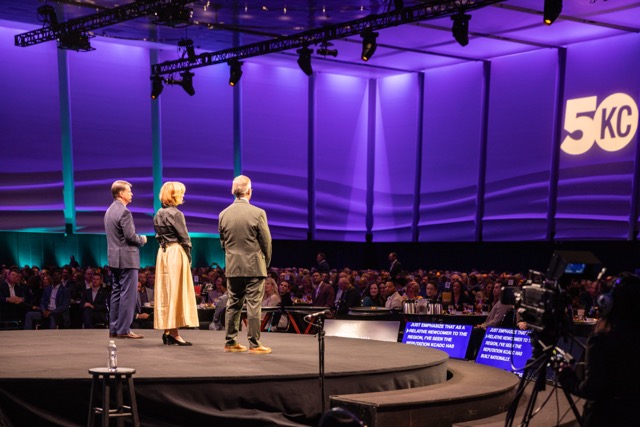
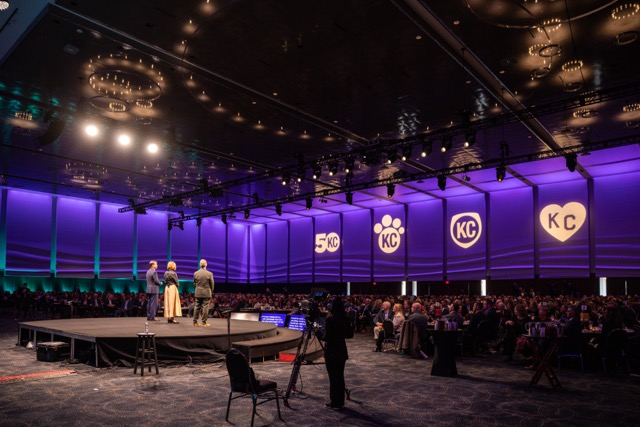
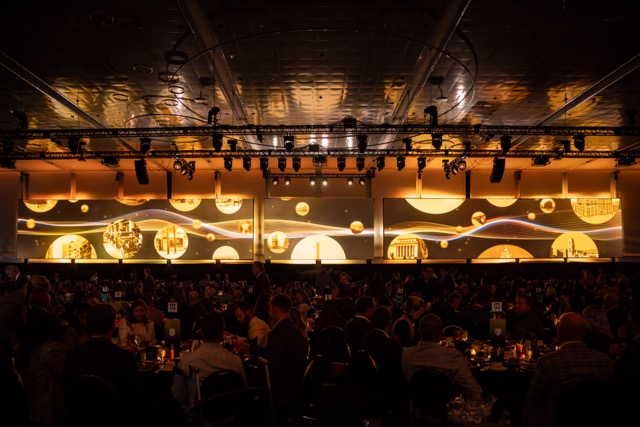
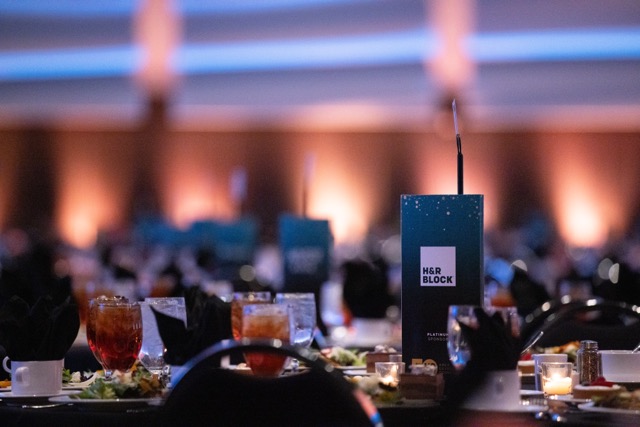
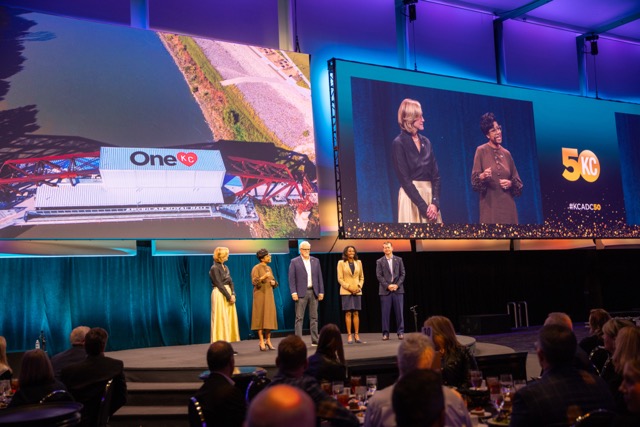
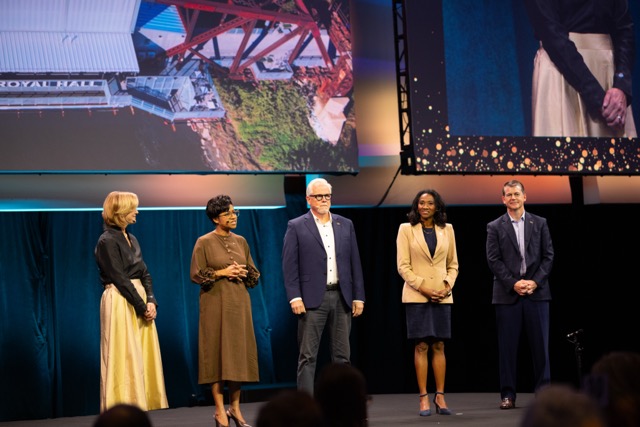
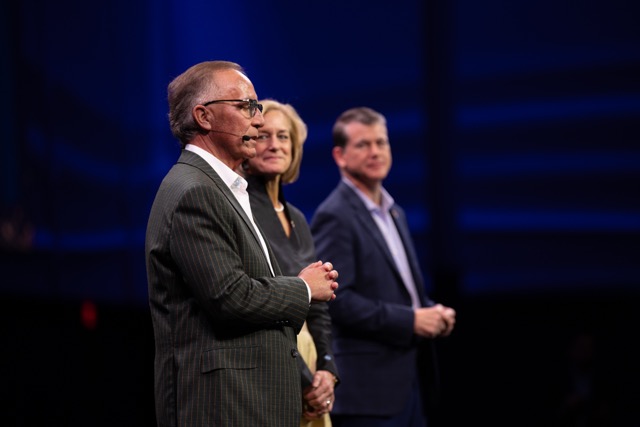
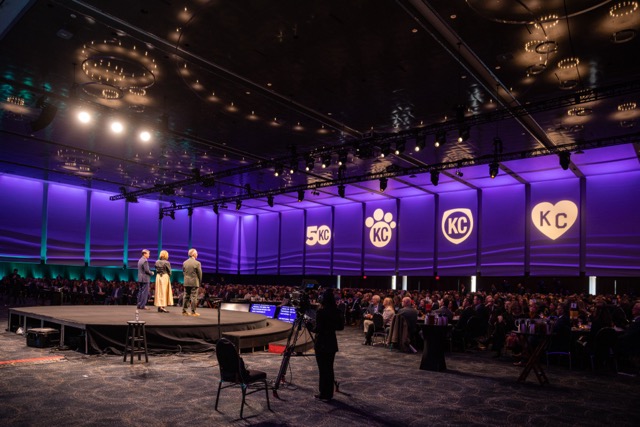
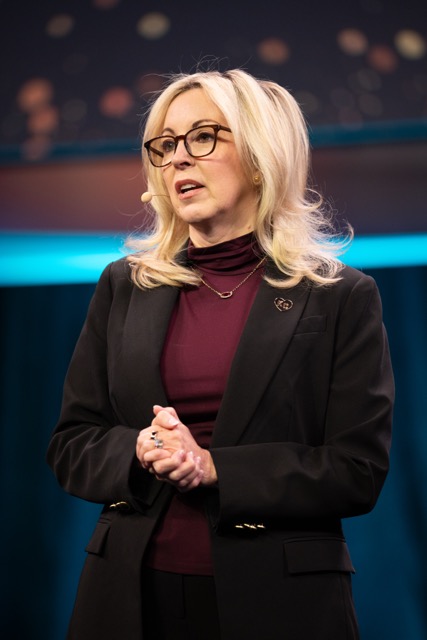
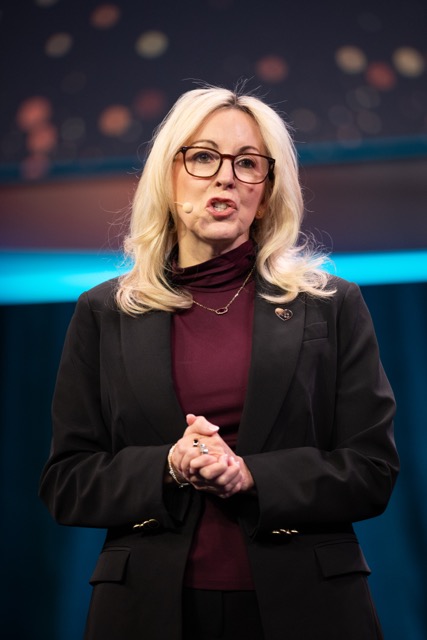
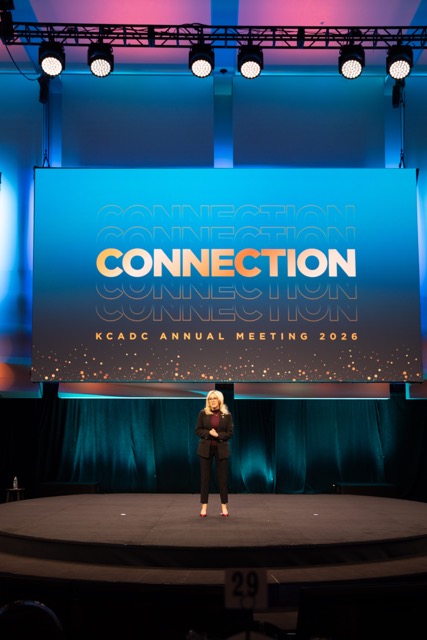
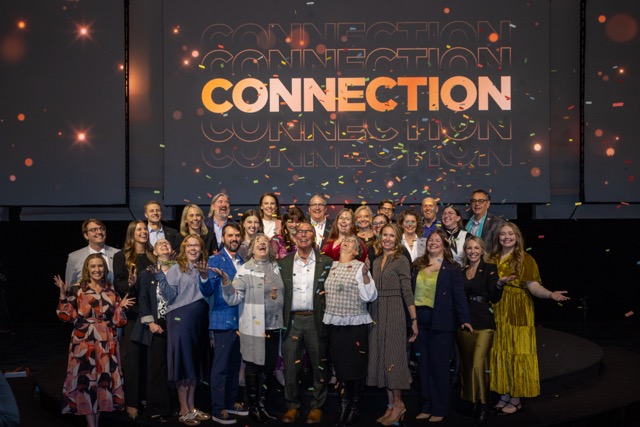
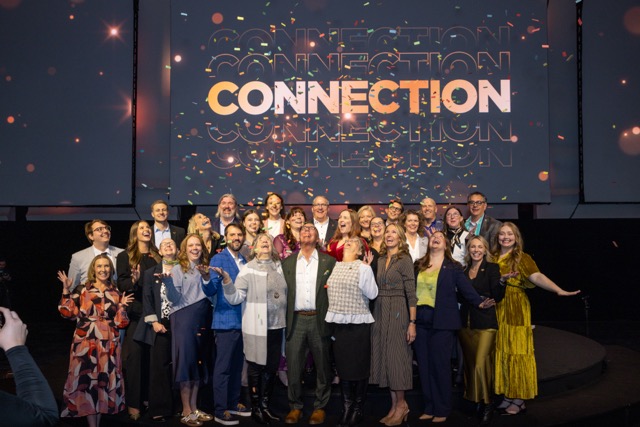
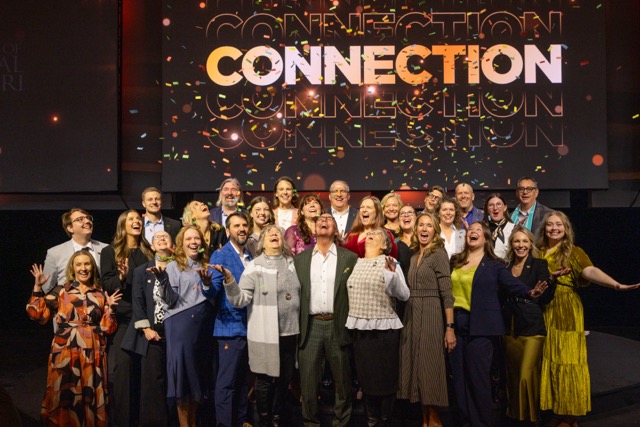
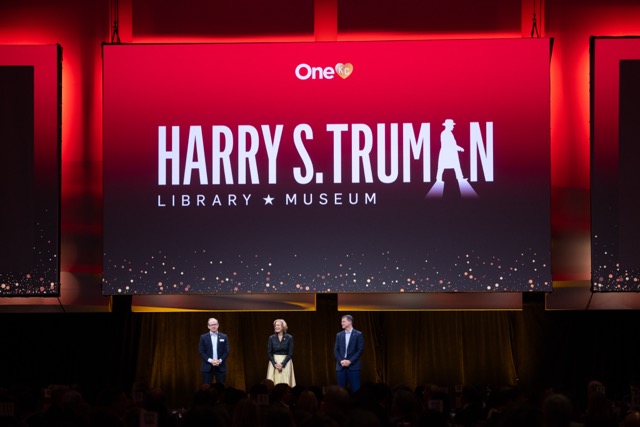
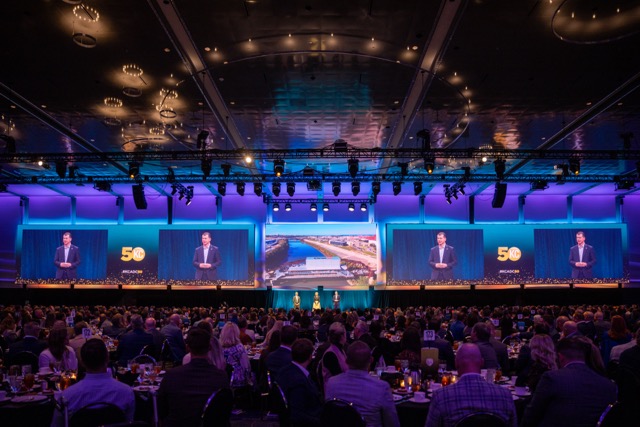
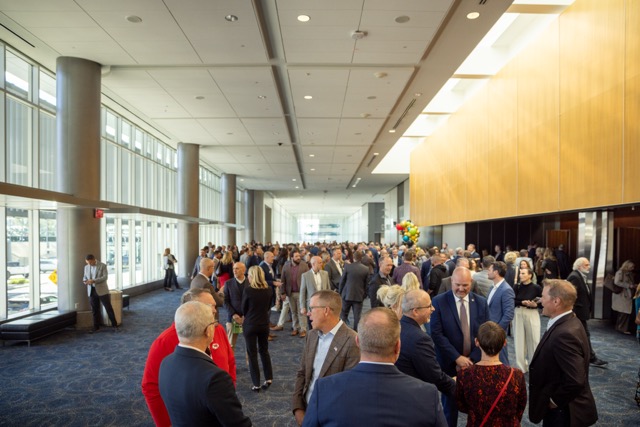
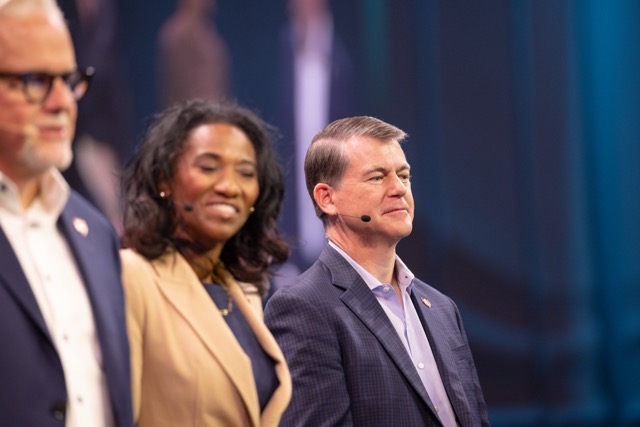
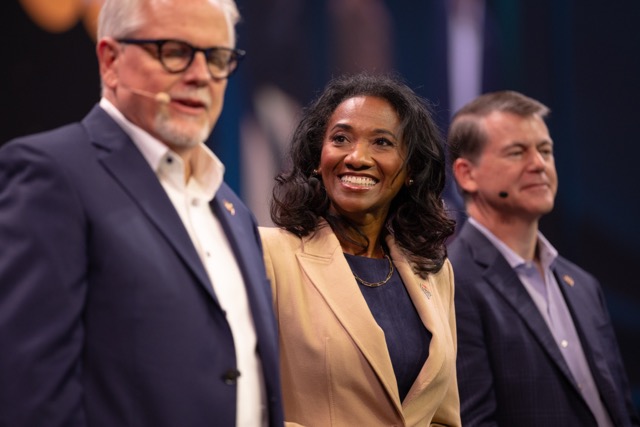
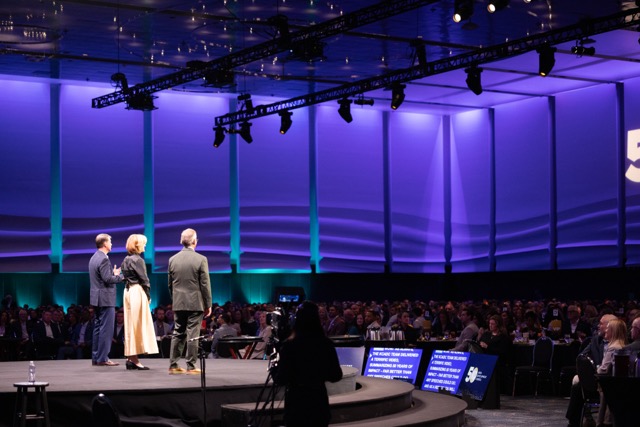
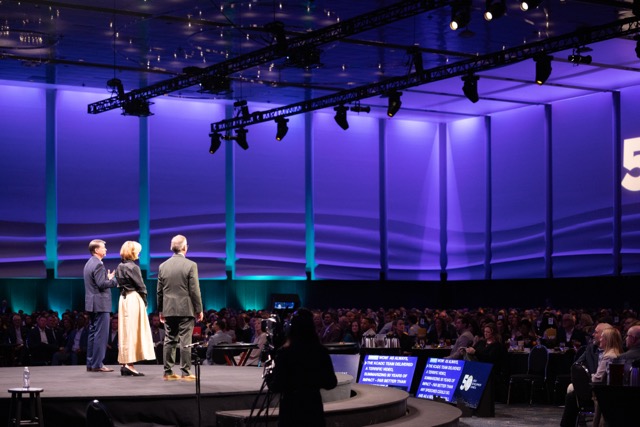
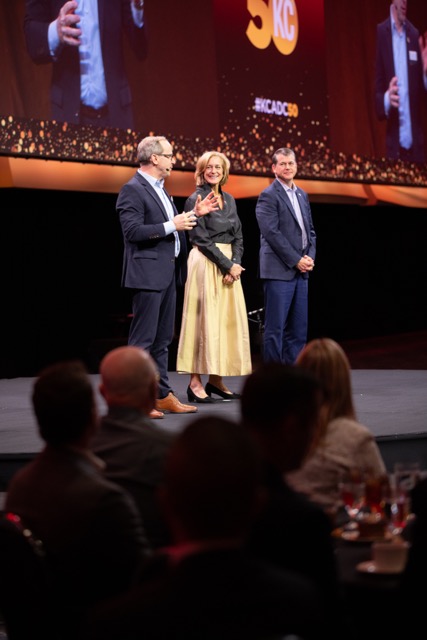
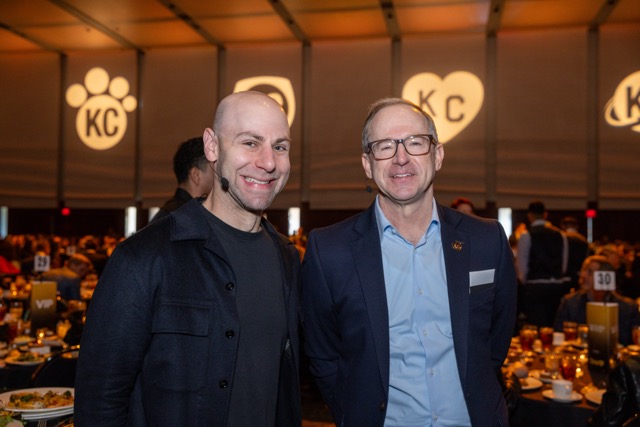
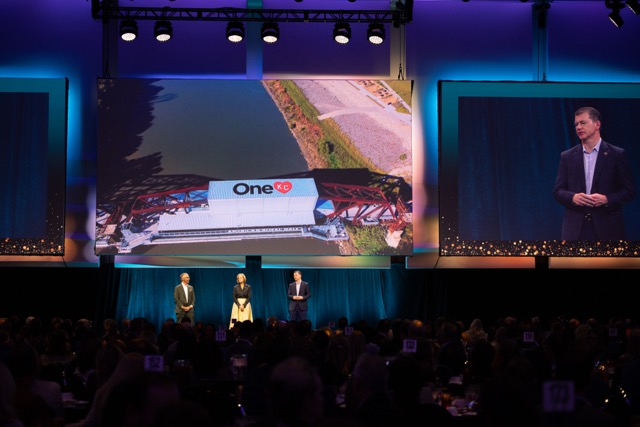
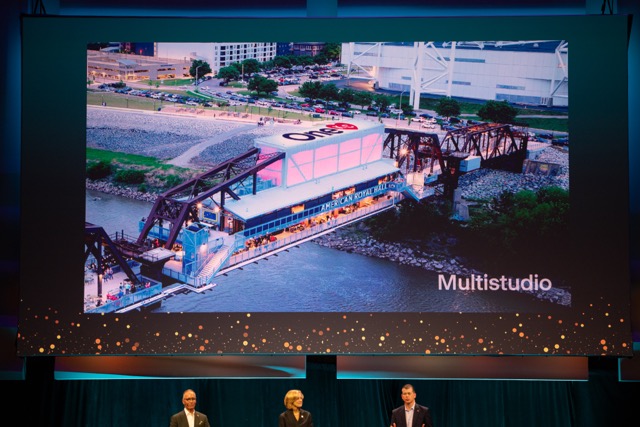
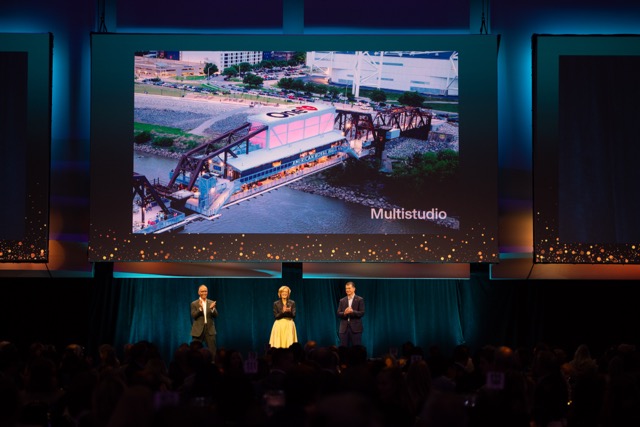
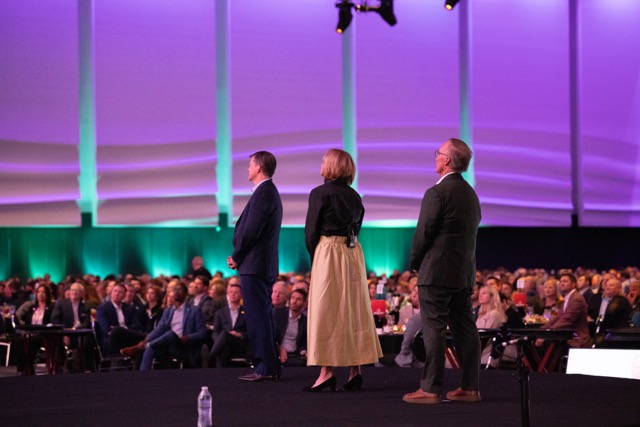
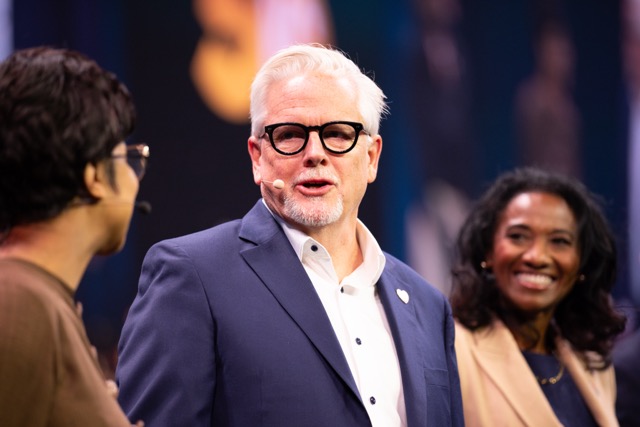
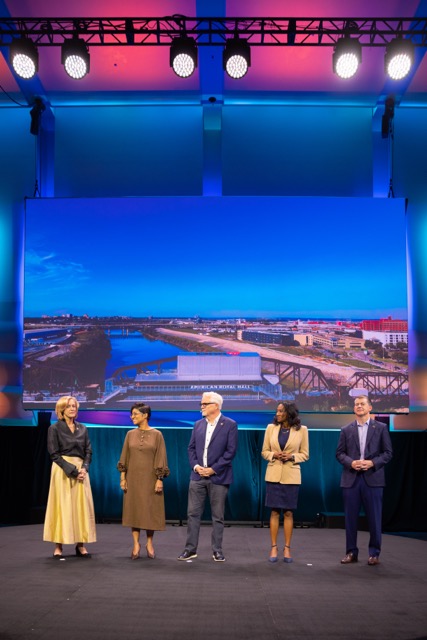
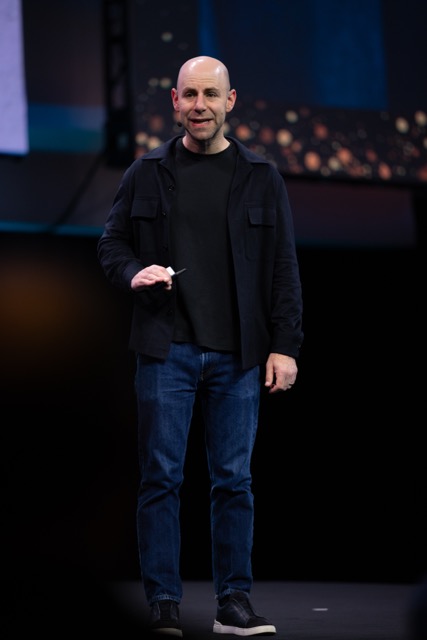
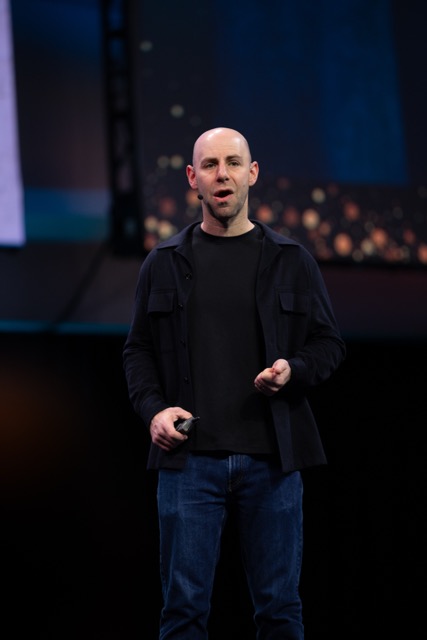
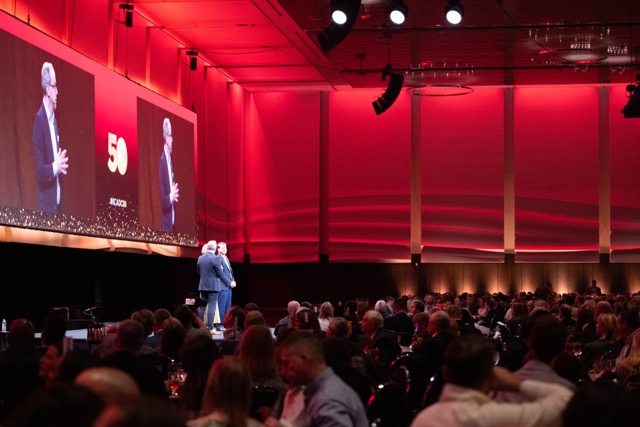
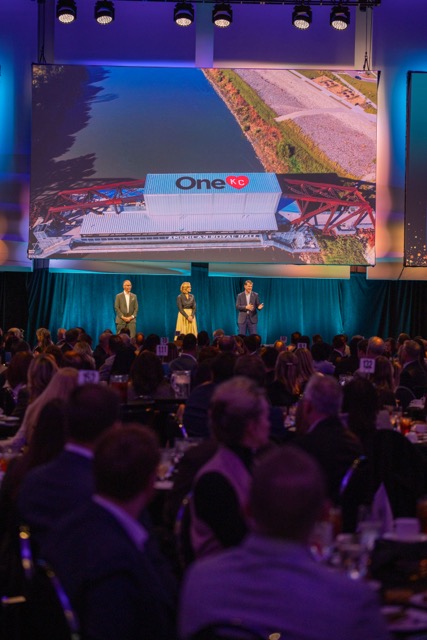
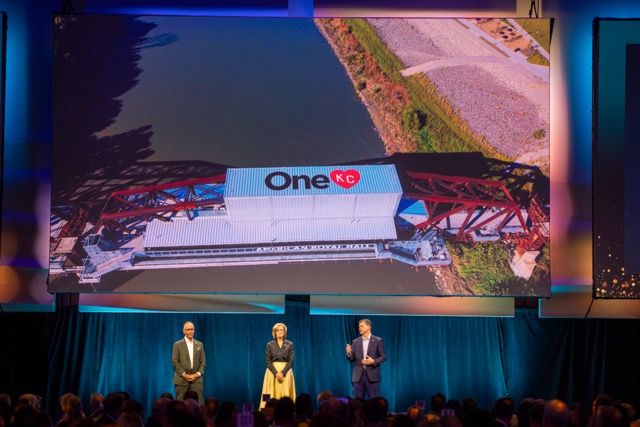
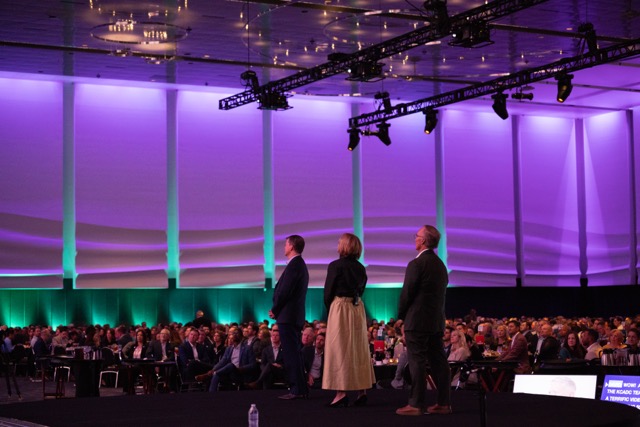
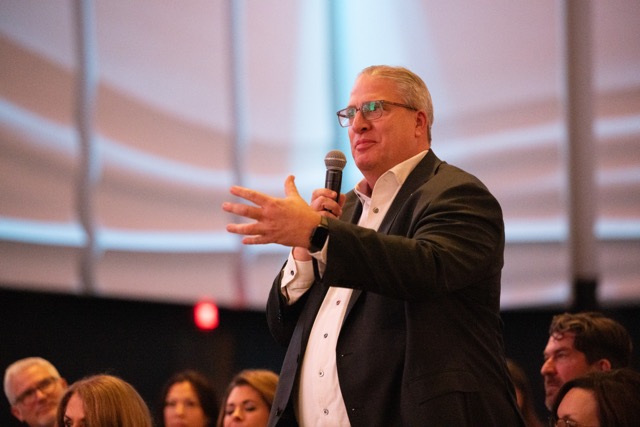
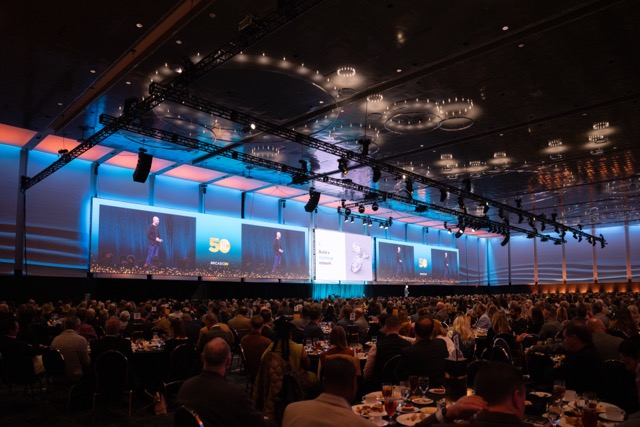
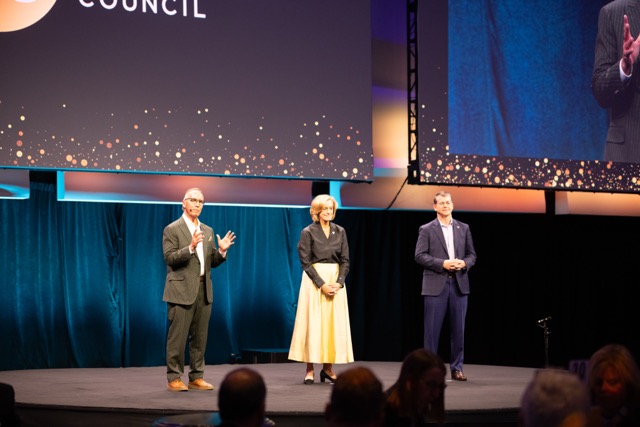
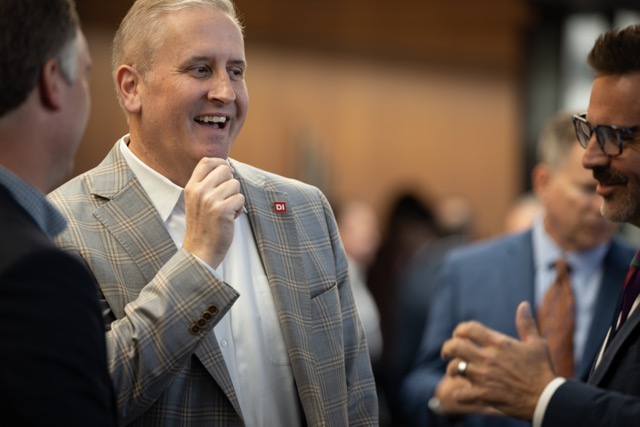
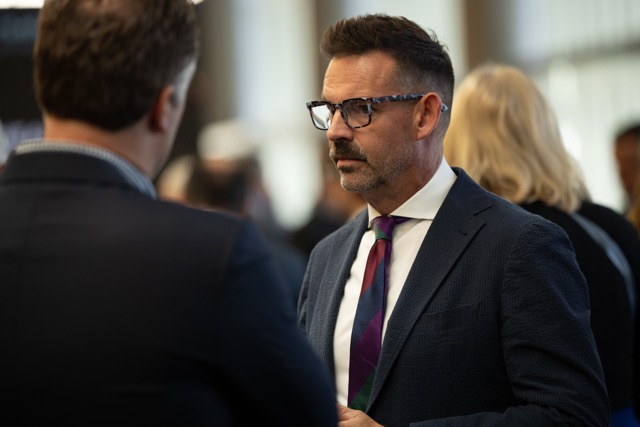
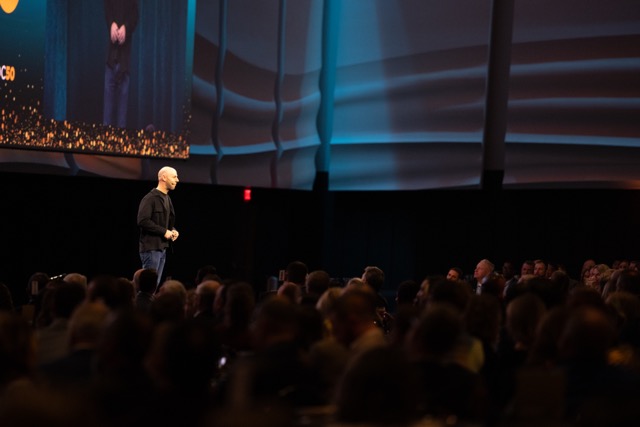
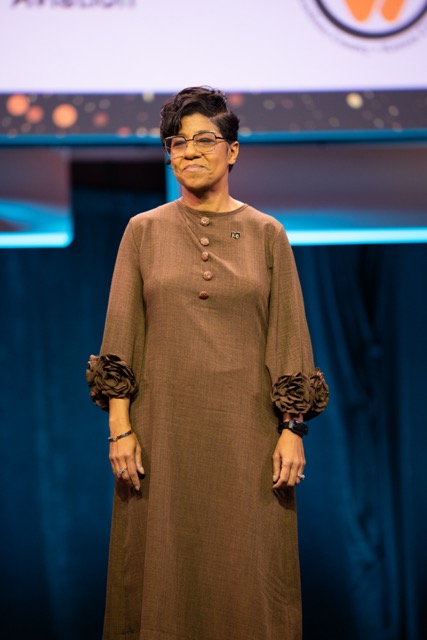
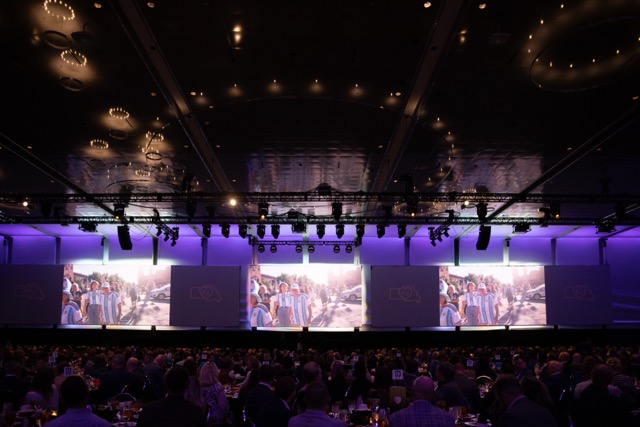
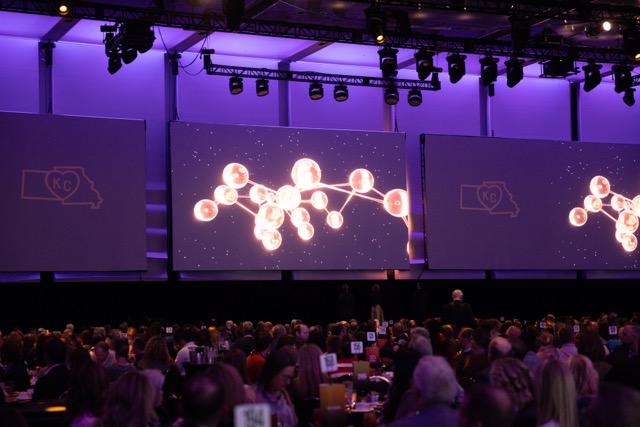
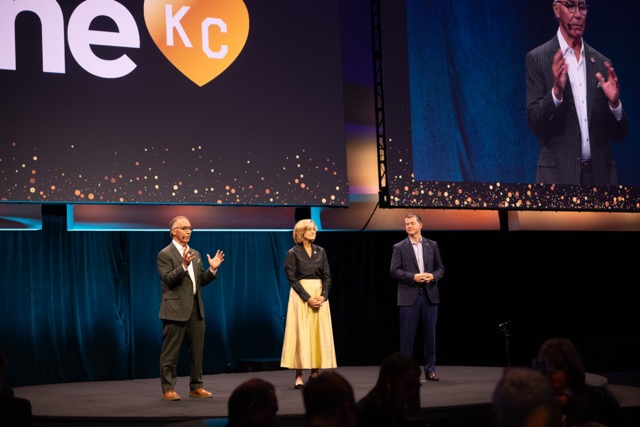
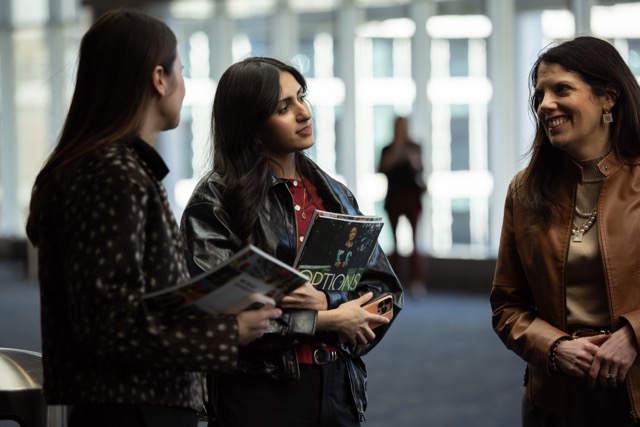
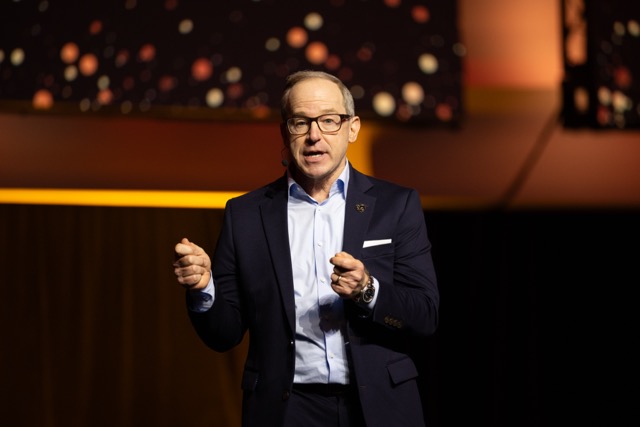
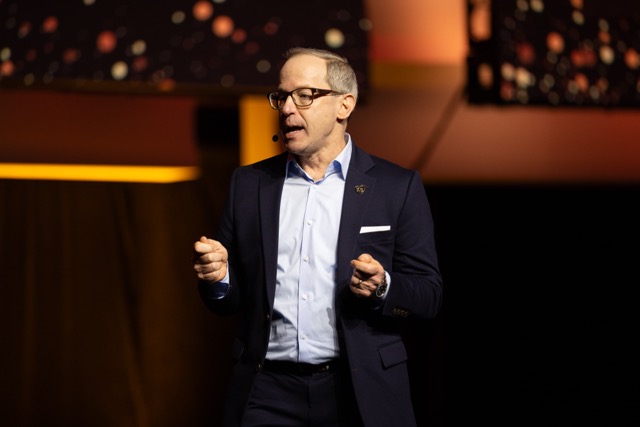
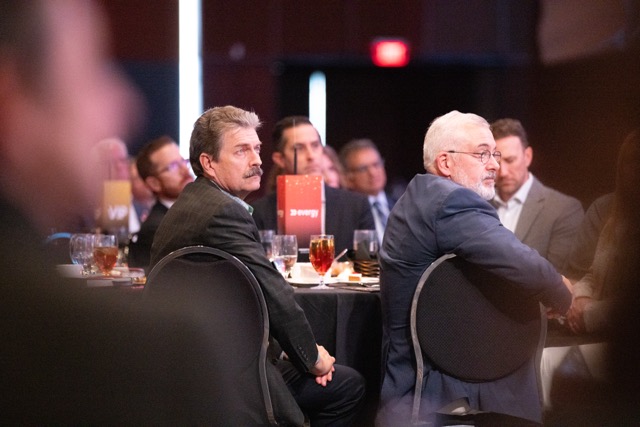
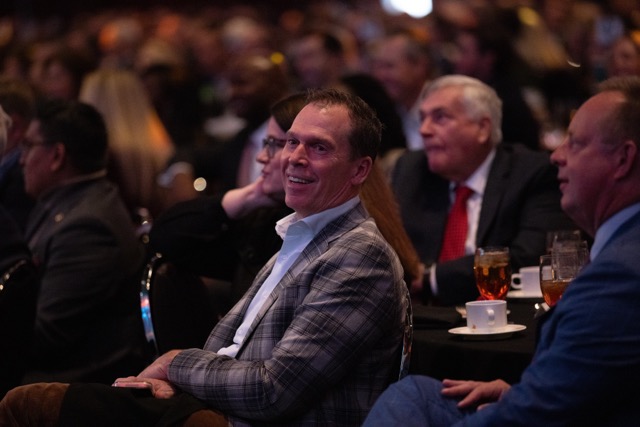
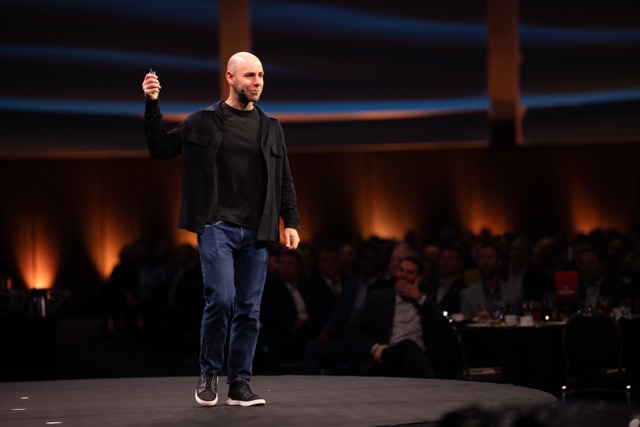
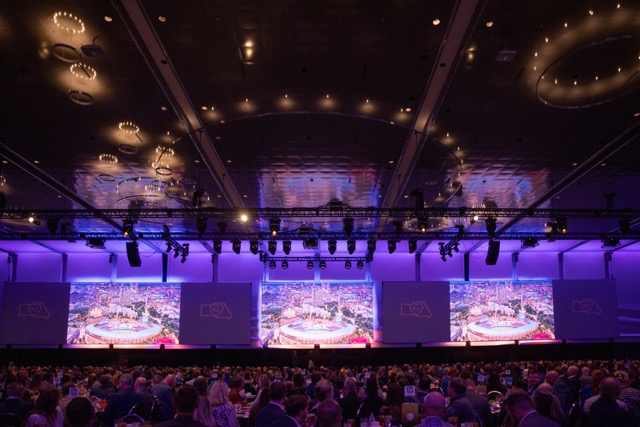
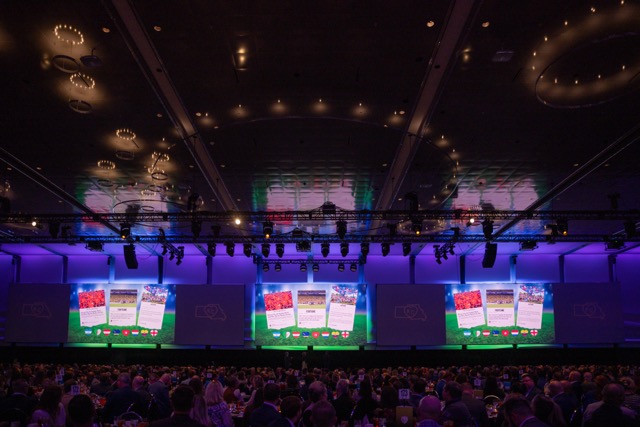
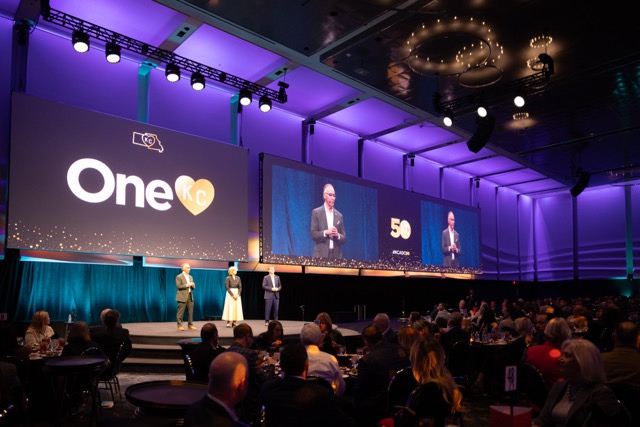
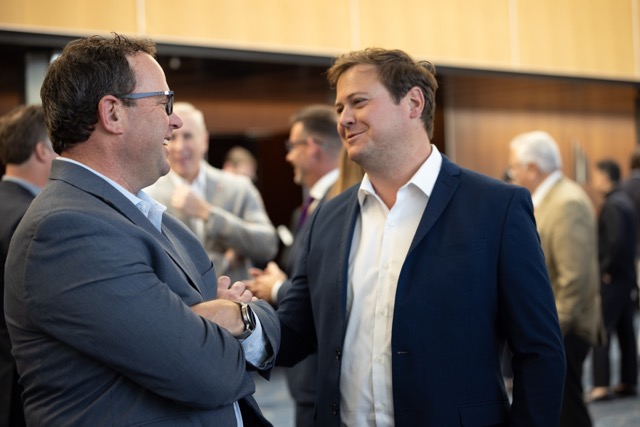
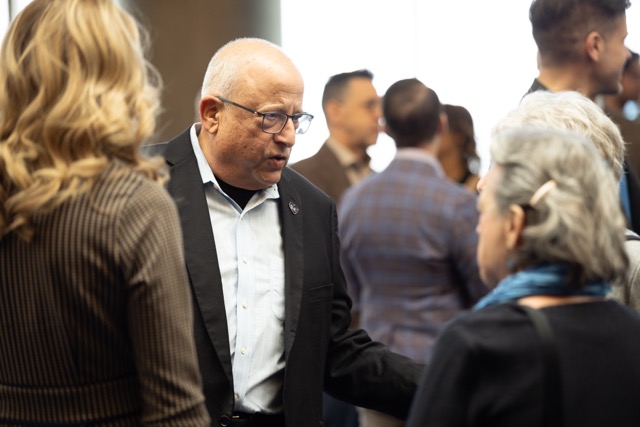
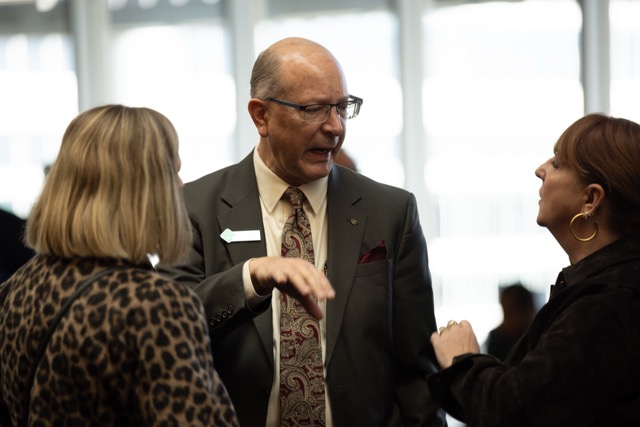
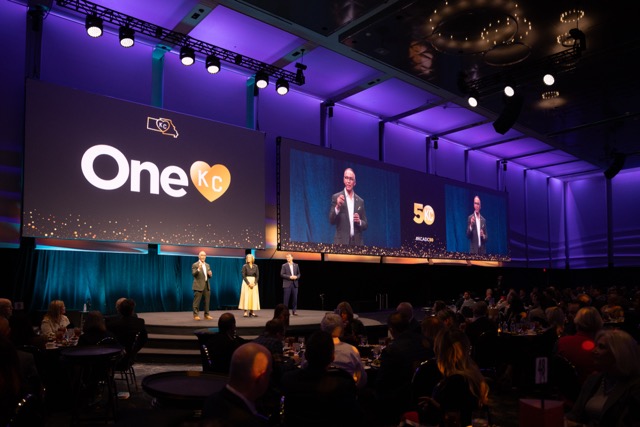
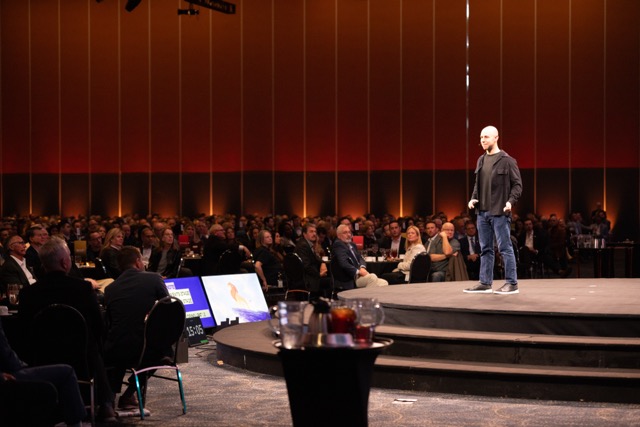
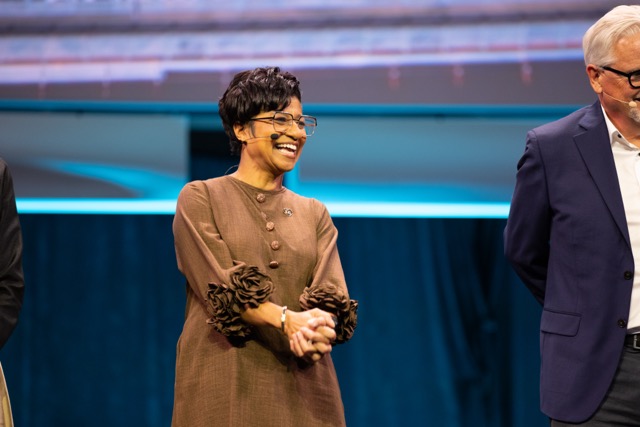
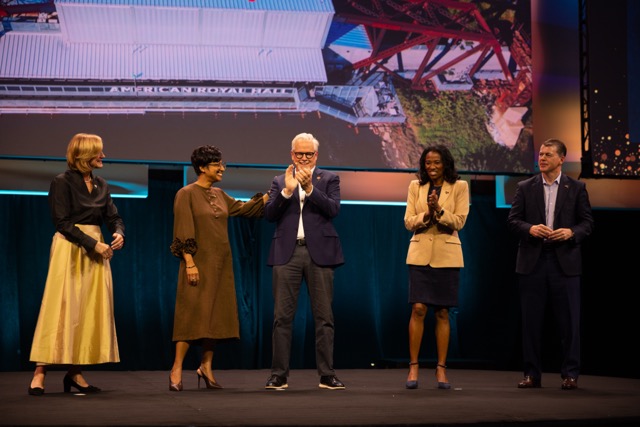
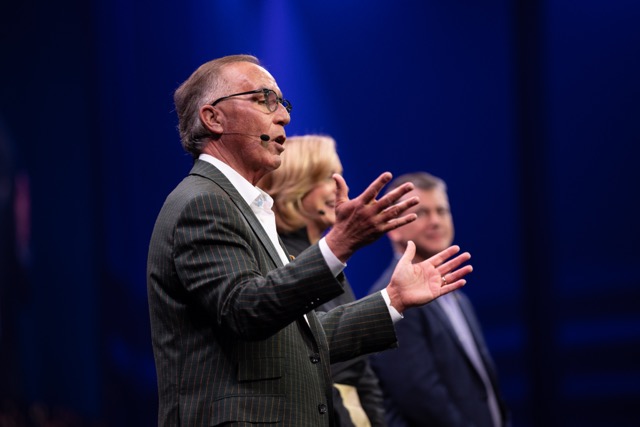
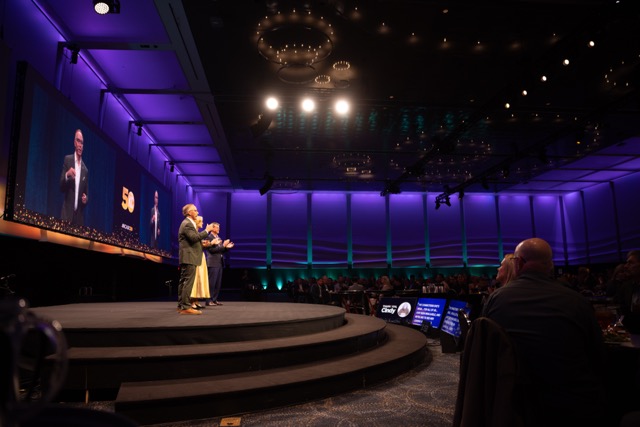
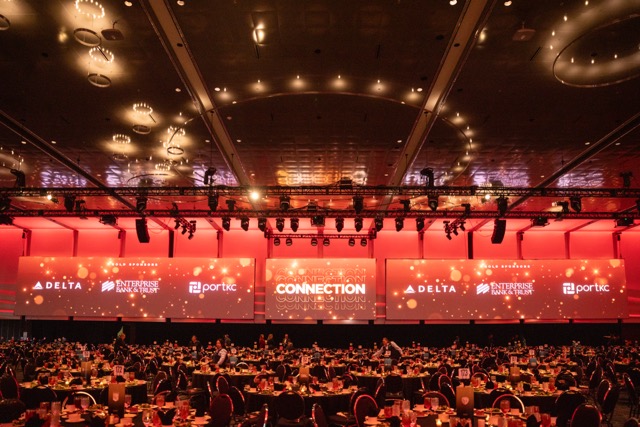
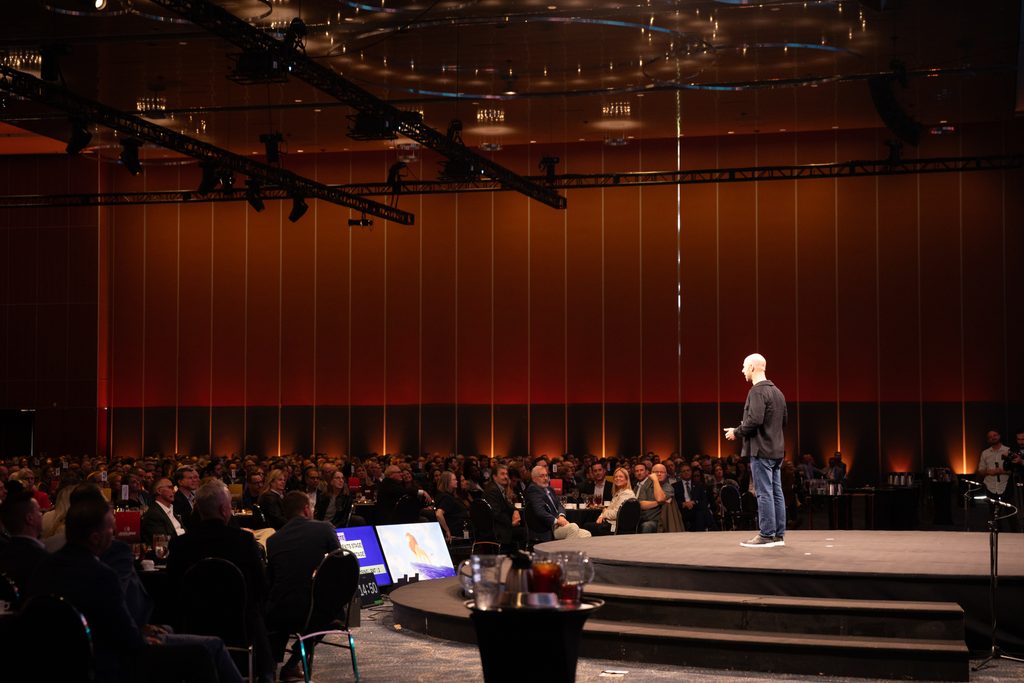
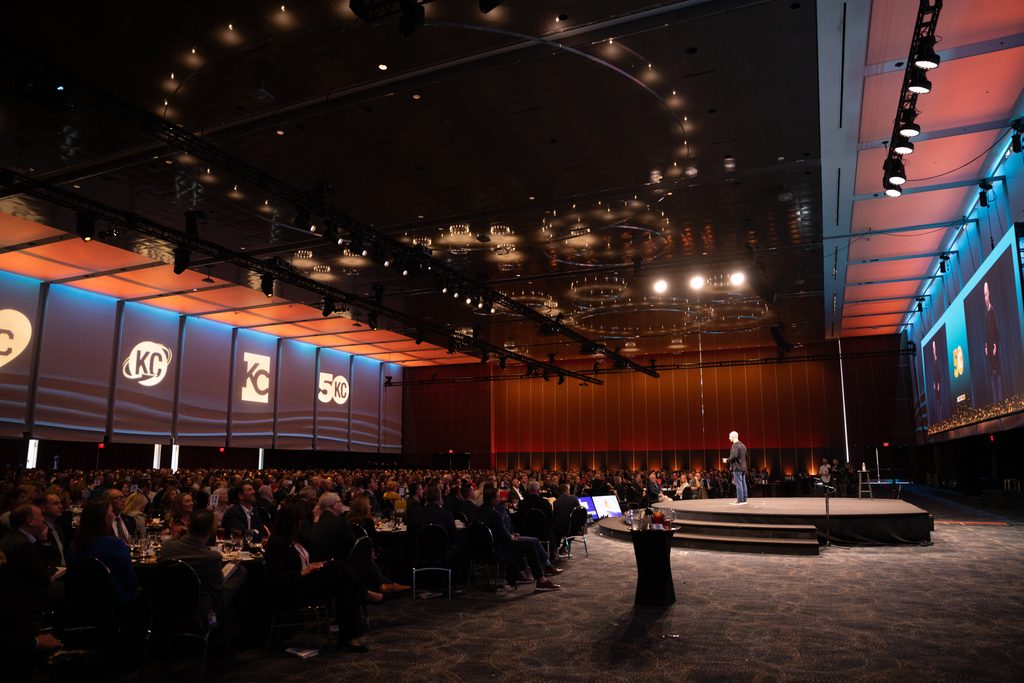
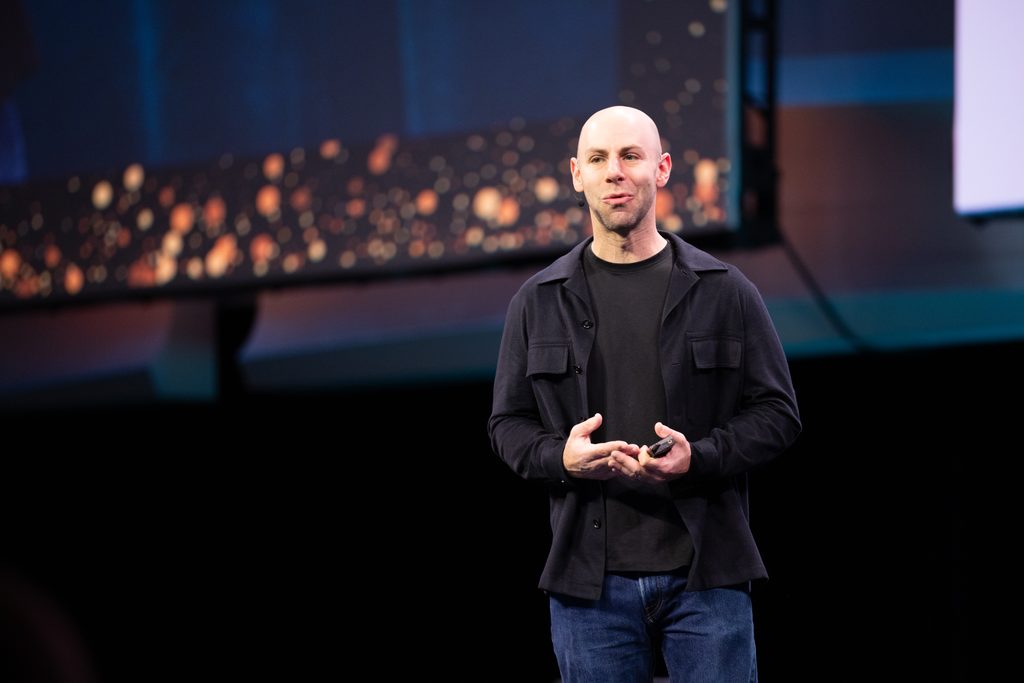
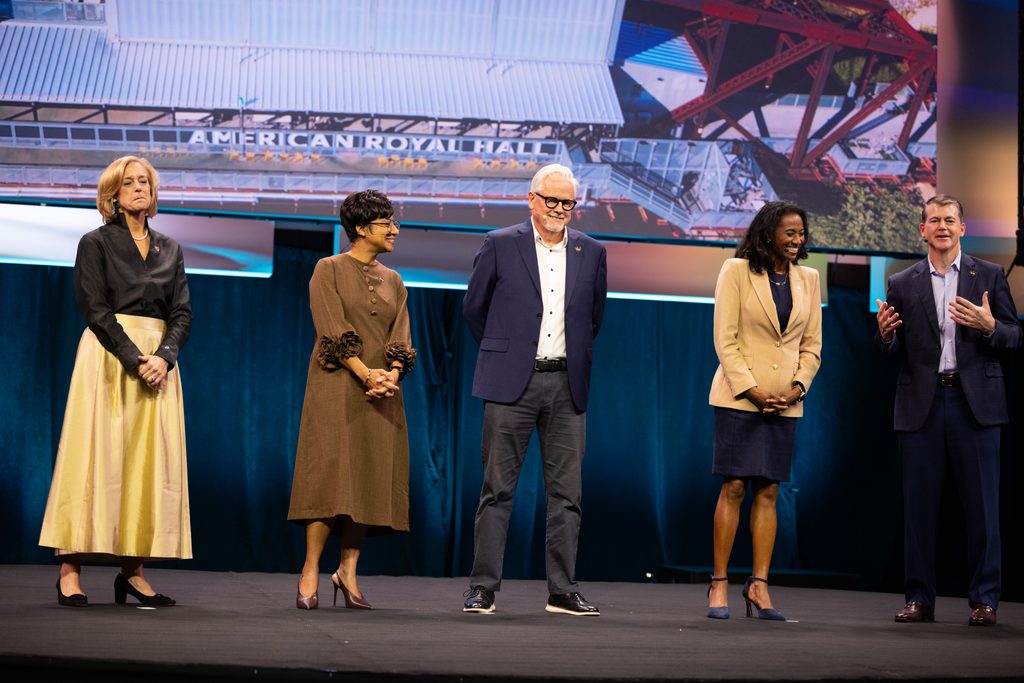
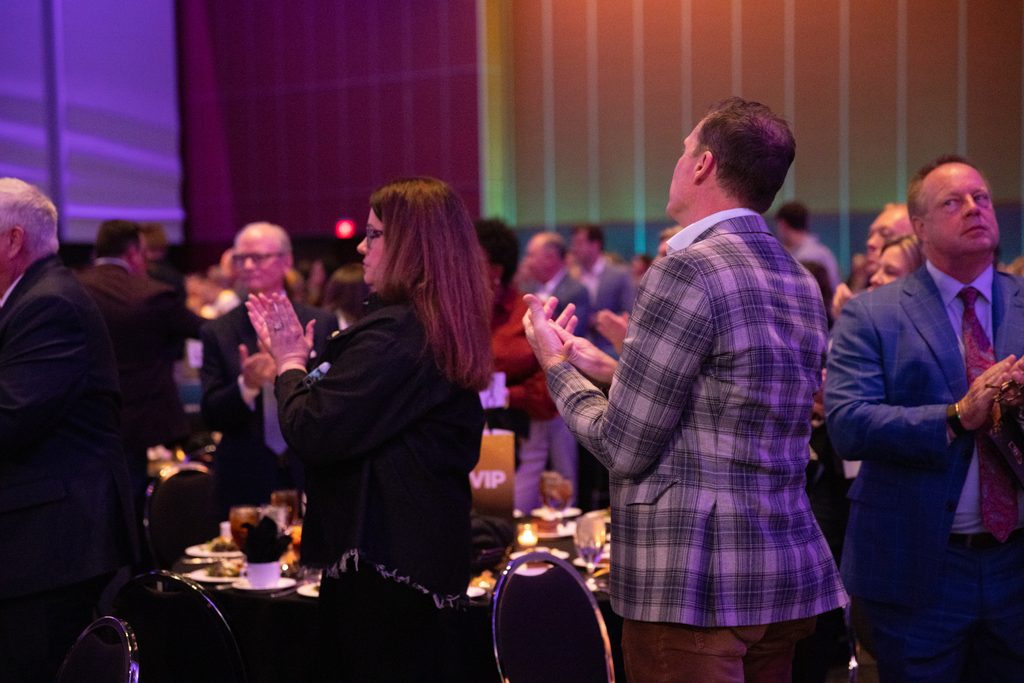
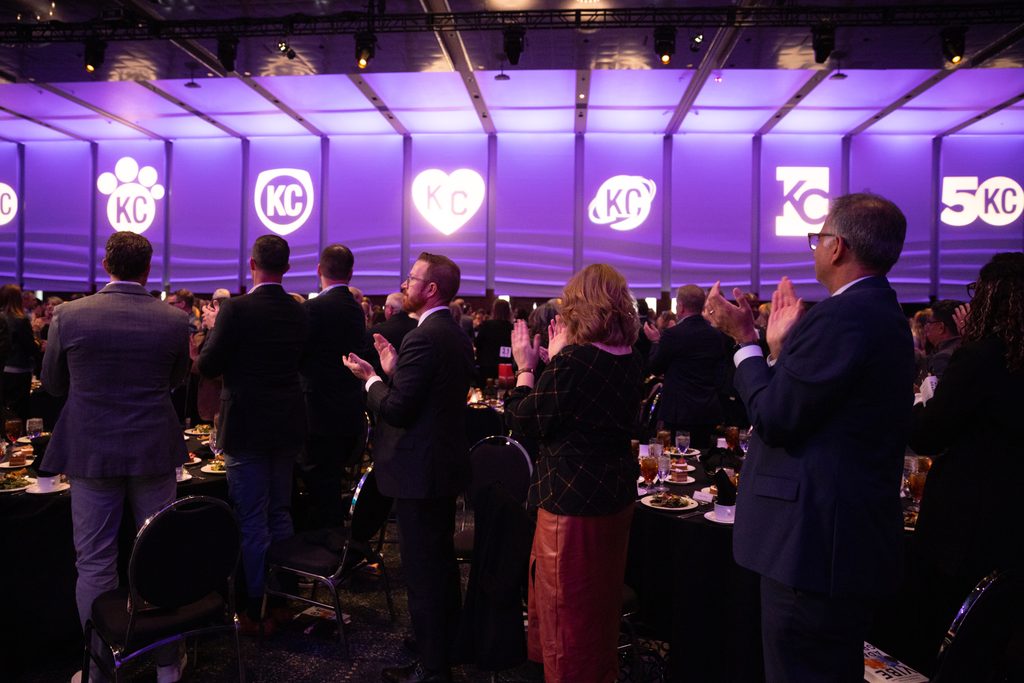
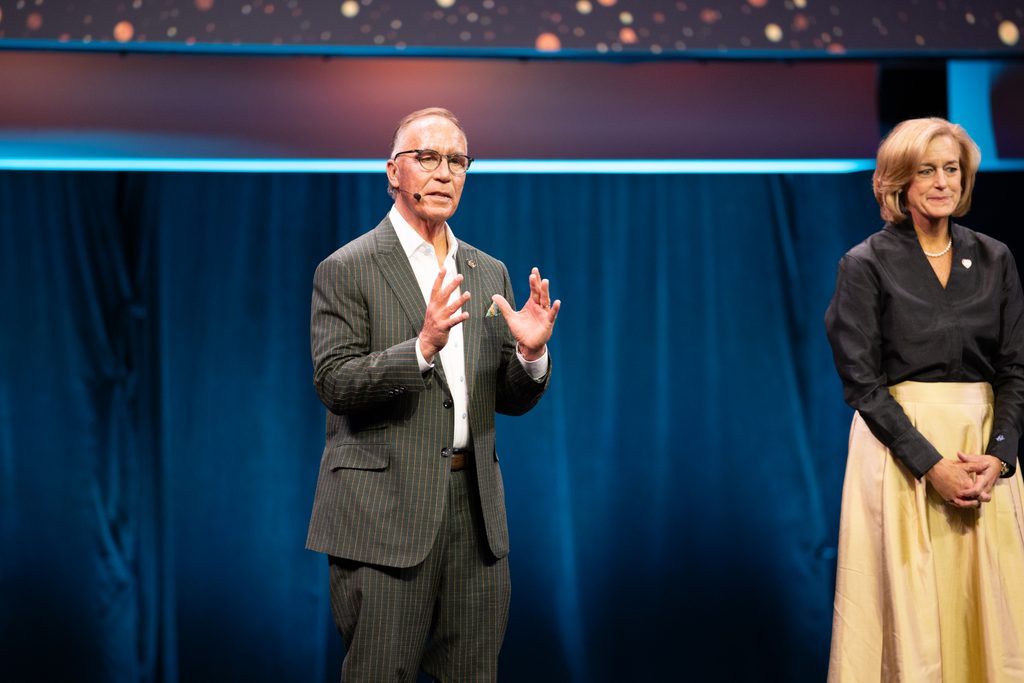
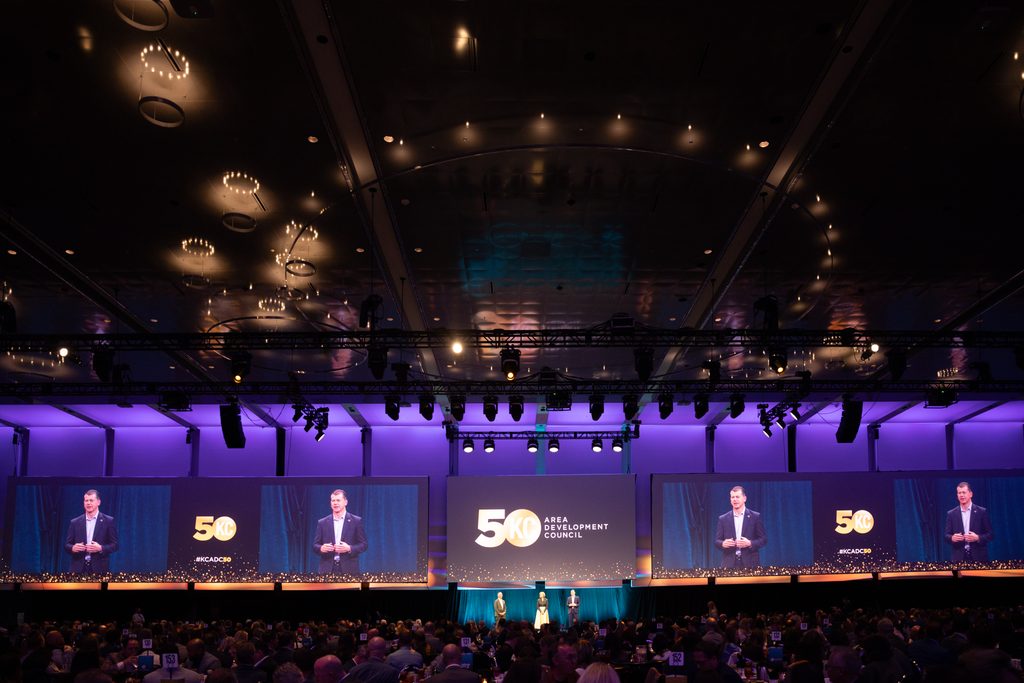
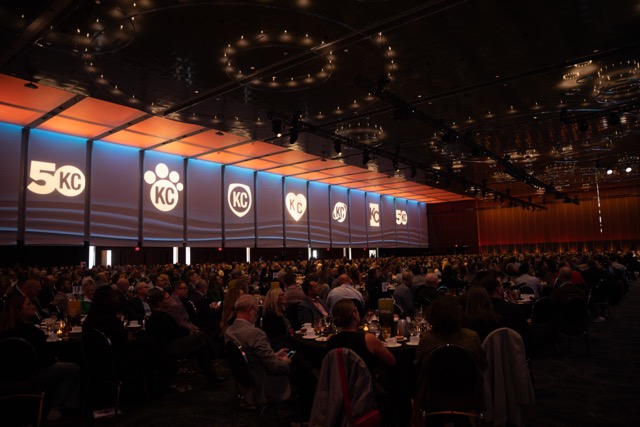
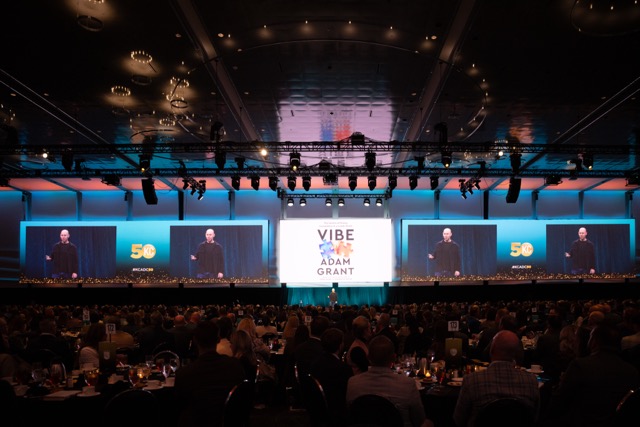
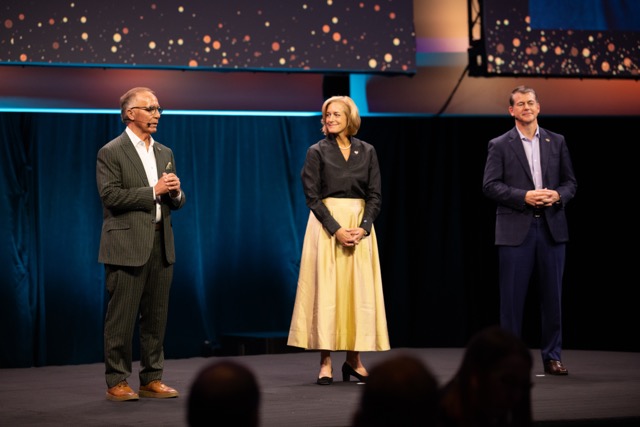
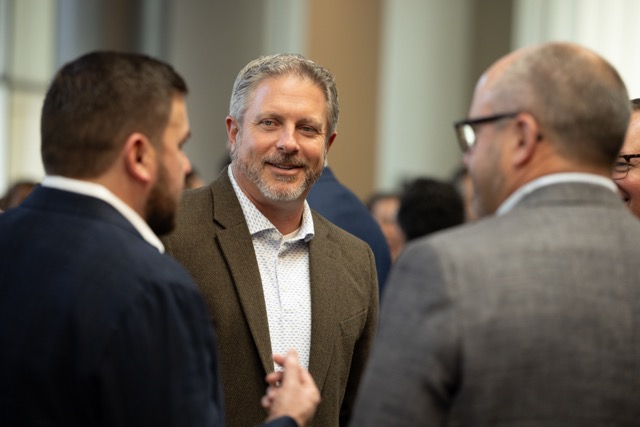
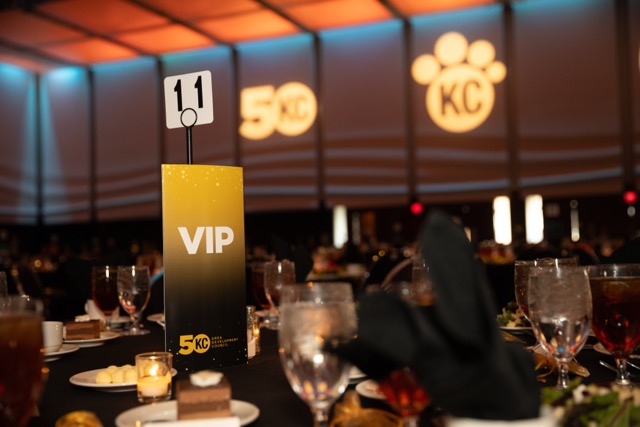
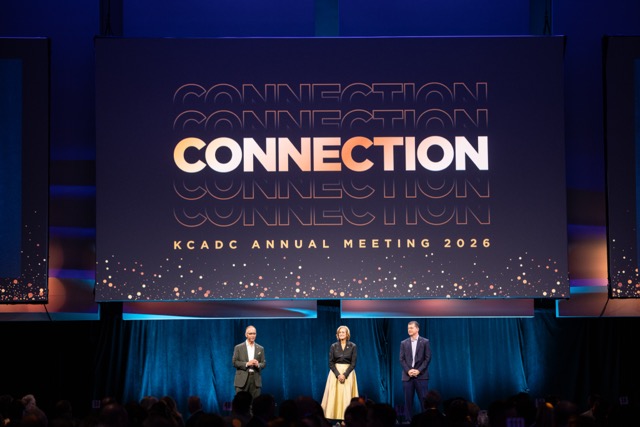
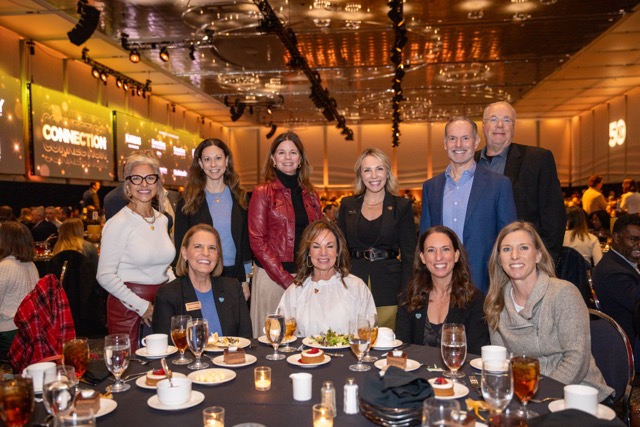
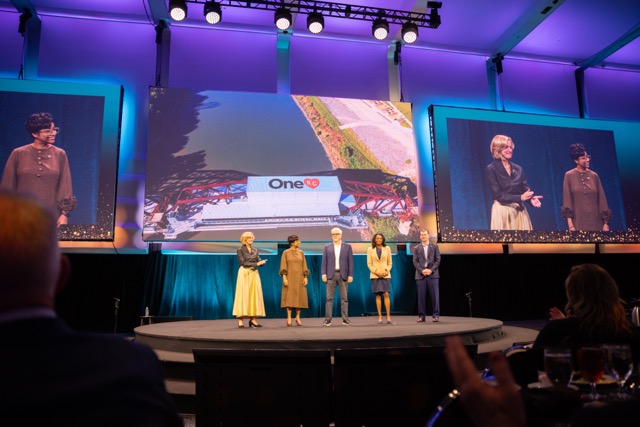
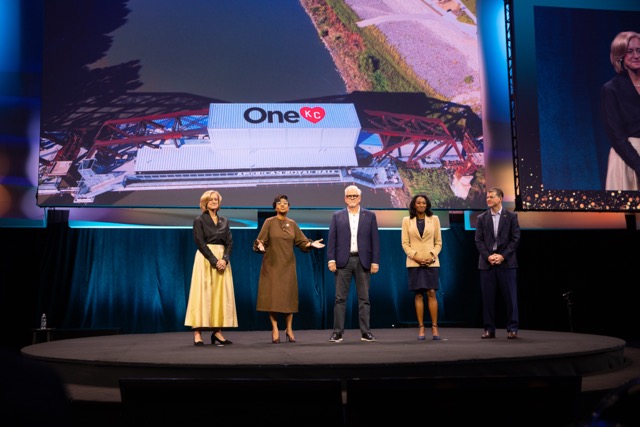
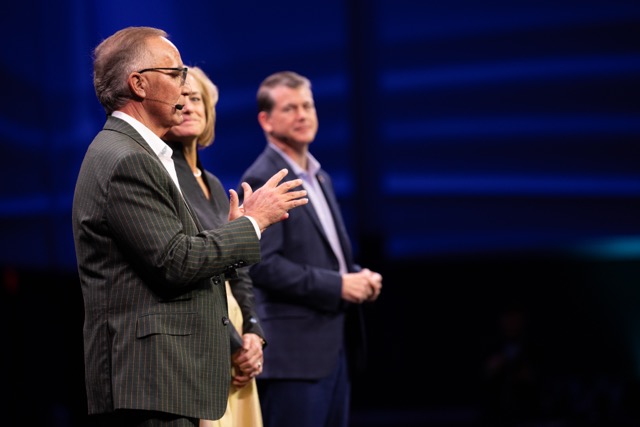
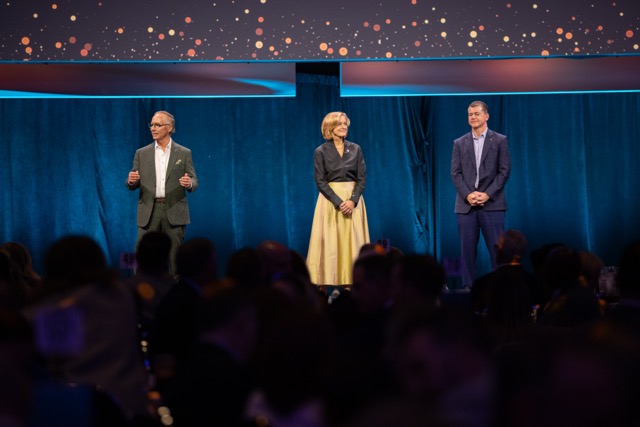
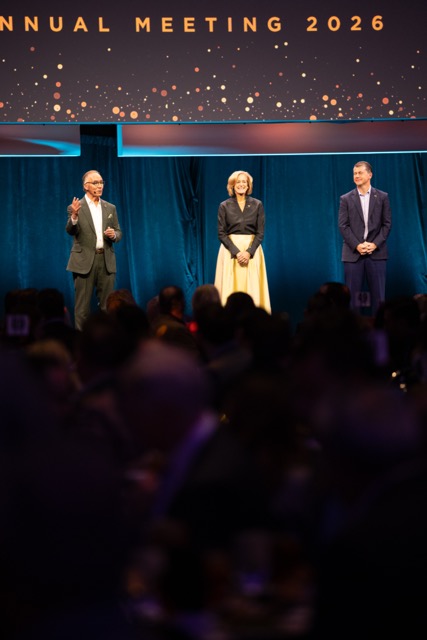
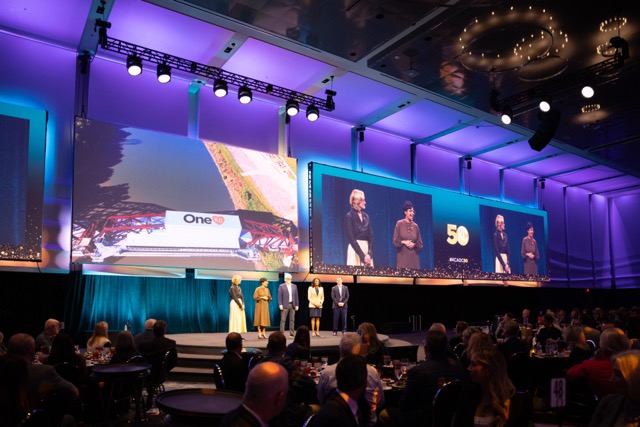
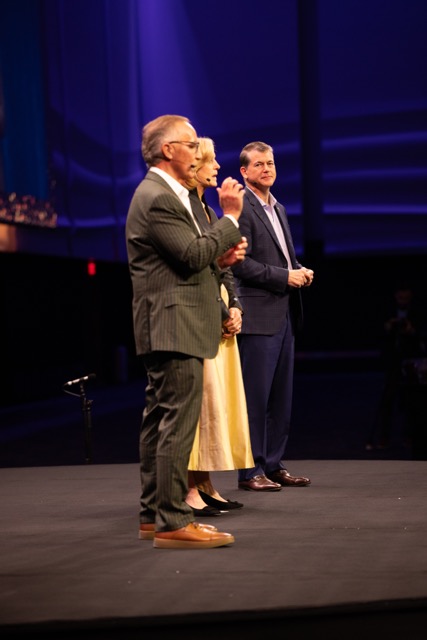
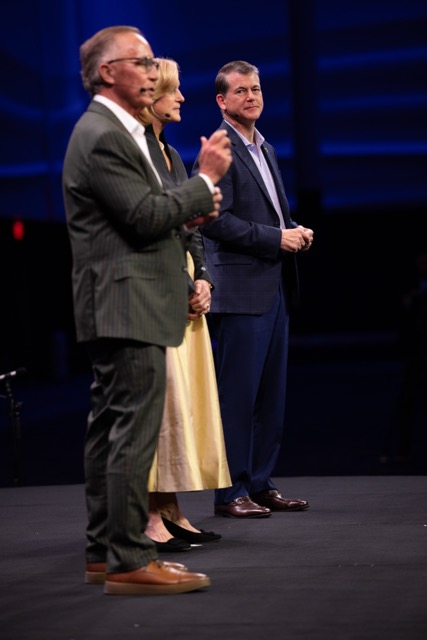
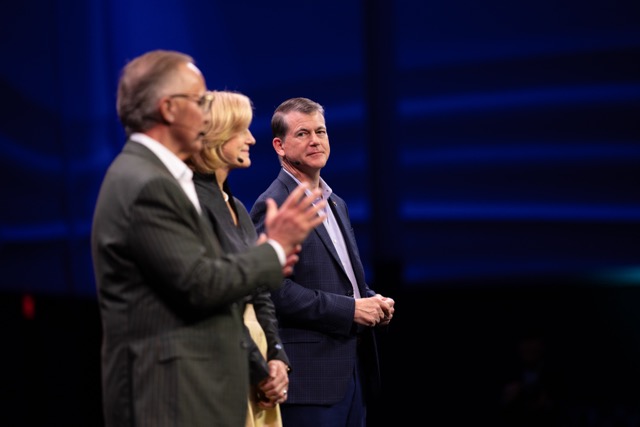
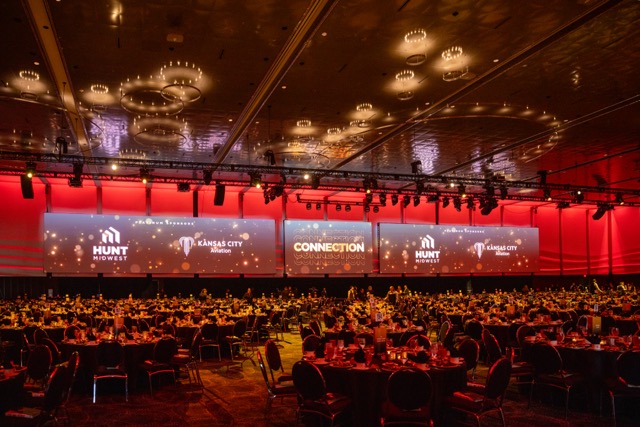
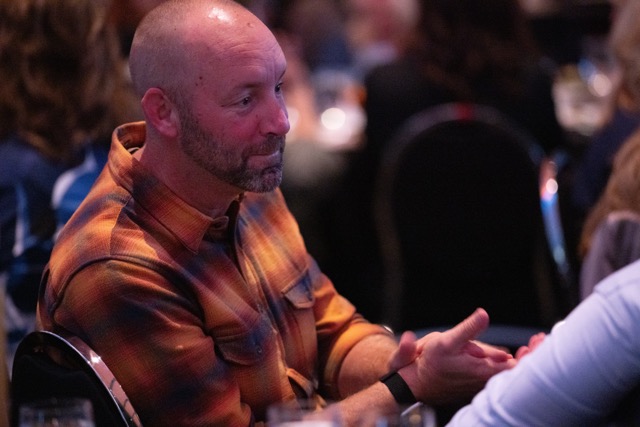
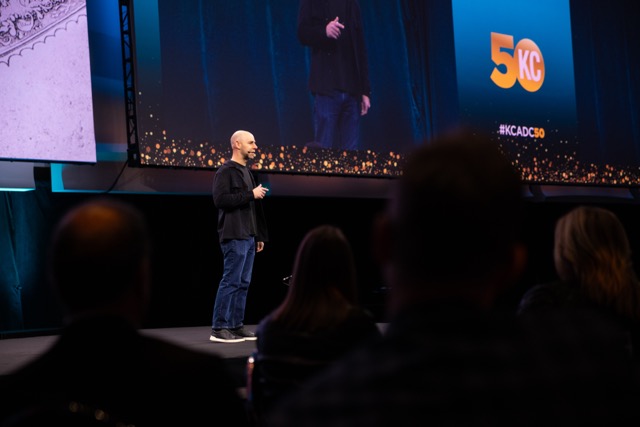
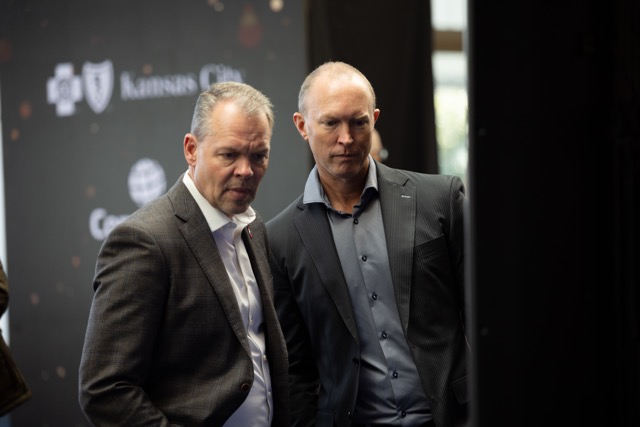
Those themes emerged across presentations and discussions at the 2026 Animal Health Summit, which brought together more than 675 animal health executives, investors, entrepreneurs and other industry leaders this week in Kansas City. Here’s more:

Trend 1: Innovation that simplifies

As veterinary teams contend with increasing workloads and an expanding array of technologies, industry leaders said innovation will increasingly be judged by whether it makes care easier to deliver.

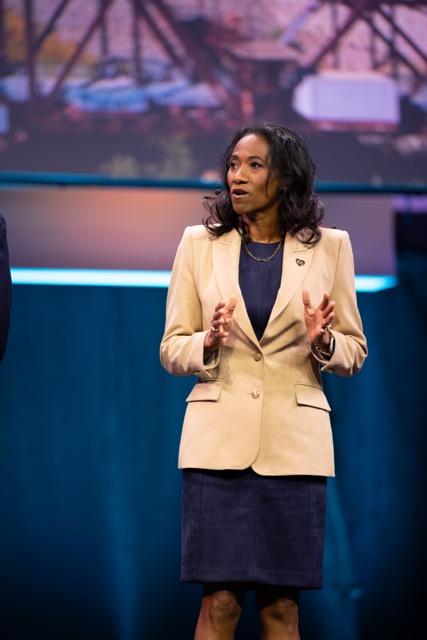
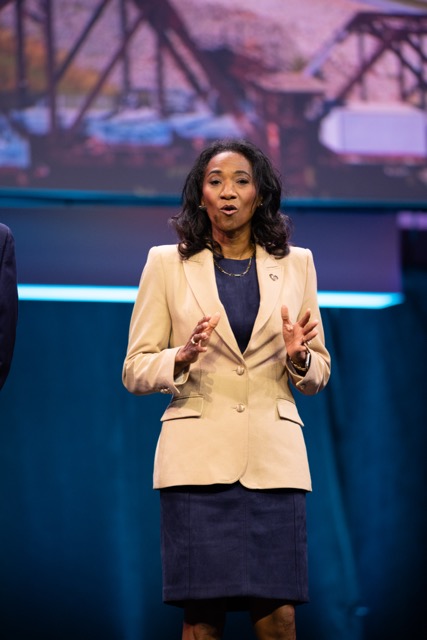
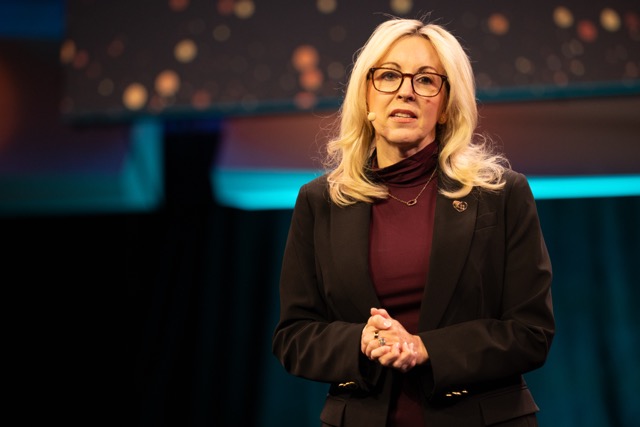
“We have to look at it through the lens of, is this going to take work off of the team, or are we adding another step?” said Julia Loew, chief commercial officer for MWI Animal Health. She noted that disconnected technologies can create fragmented records and duplicative work, placing an additional mental load on already stretched veterinary teams. Automation and connected workflows, she said, can instead give time back to veterinary professionals for patient care and team engagement.

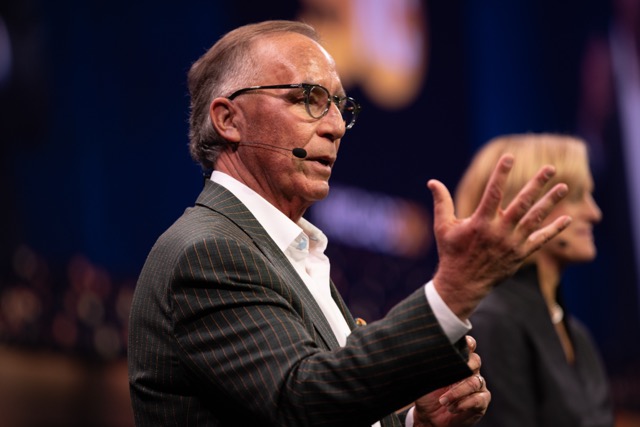
In their talk on innovation, industry consultants Chad Terrell and Juerg Baggenstoss of Stonehaven Cozmix estimated that roughly two-thirds of industry growth in the past decade has come from new products and innovation, and they expect innovation to remain a primary engine of growth even as the overall market matures. But they noted that innovation runs the spectrum from blockbuster therapies to simple changes in formulation or delivery that can drive real value.

Artificial intelligence is increasingly part of that equation, but executives suggested a shift is happening. Rauf Gurbuz, US president and general manager of Hill’s Pet Nutrition, said AI differentiation will come from tools grounded in proprietary clinical and biological data and integrated into “the backbone of company operations.” Scott Bormann, SVP, North America, at Merck Animal Health, agreed: “It’s not a matter of whether it’s going to be here. It’s a matter of how you choose to use it.”

Trend 2: Greater focus on access and affordability

Of course, scientific advances don’t mean much if veterinarians, producers or pet owners cannot access them, panelists said. Loew characterized access to care as a “structural issue” across both companion and production animal health. Pet owners increasingly expect care that is continuous and affordable, she said, while the production sector faces persistent shortages of veterinarians and skilled labor needed to deliver new solutions at scale.

“You need to have the right infrastructure, the right economics and the right delivery mechanisms,” Loew said.

Those pressures may also impact competition. The Stonehaven Cozmix team estimated that approximately $15 billion in revenue among leading animal health brands is already off patent or will lose patent protection in coming years, while generics are being introduced more quickly than ever. This may help meet consumer demand for affordable medicines, Terrell and Baggenstoss said, while increasing pressure on both pioneer and generic manufacturers to differentiate through continued innovation.

Trend 3: A shift toward longevity and ‘health span’

As pets live longer, there’s an increasing focus on extending their healthy years. Terrell and Baggenstoss identified longevity—or, as it’s increasingly being referred to, “health span”—as one area likely to attract investment and innovation, alongside oncology, chronic kidney disease and metabolic disease. Advances in treatment and diagnostics are also synergistic: better therapeutic options create greater reason to identify disease earlier, supporting a shift from episodic treatment toward earlier intervention and ongoing care.

That interest is mirrored by pet owners. In his consumer insights presentation, Michael Johnson of BSM Partners said heart health, kidney and urinary health, and longevity rank among the functional benefits pet owners most want in their nutrition products, even though consumers may struggle to evaluate the outcomes of products that improve these factors.

“If you can crack longevity in the pet space and prove it, that is the holy grail,” Johnson said.

Underpinning it all: Trust 

Running through each of these trends was another priority emphasized by Summit speakers: trust. Johnson described pet care as operating increasingly within a “trust economy,” where consumers have access to more information than ever but often lack the scientific expertise to assess competing claims. That makes simple communication from trustworthy sources increasingly important.

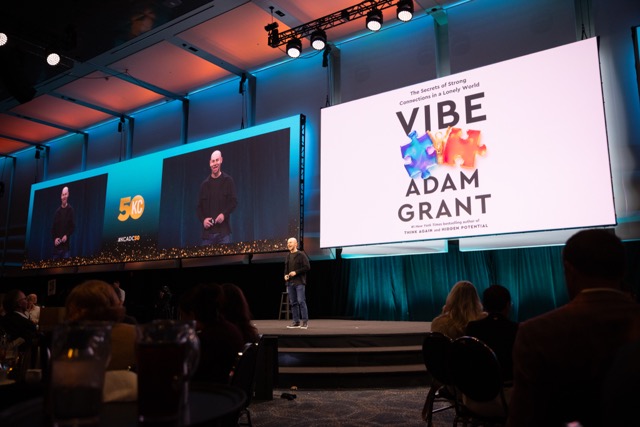
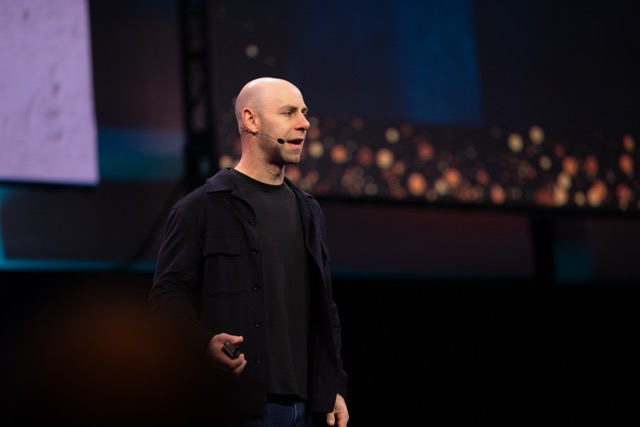
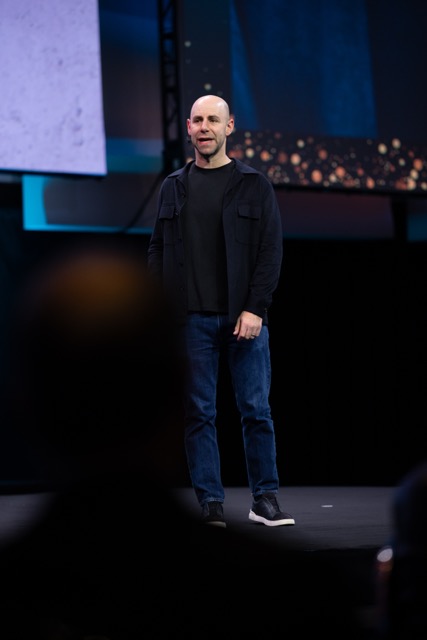
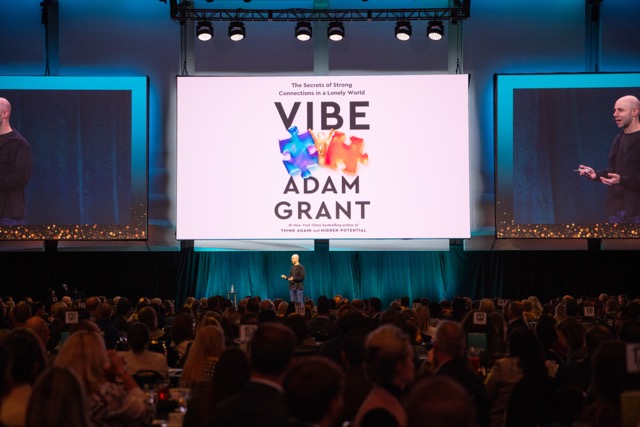
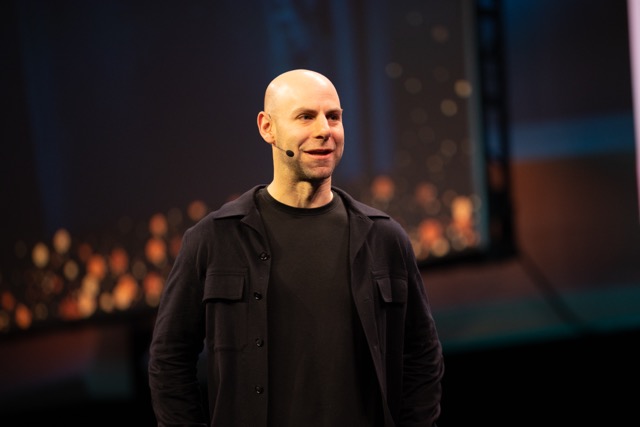
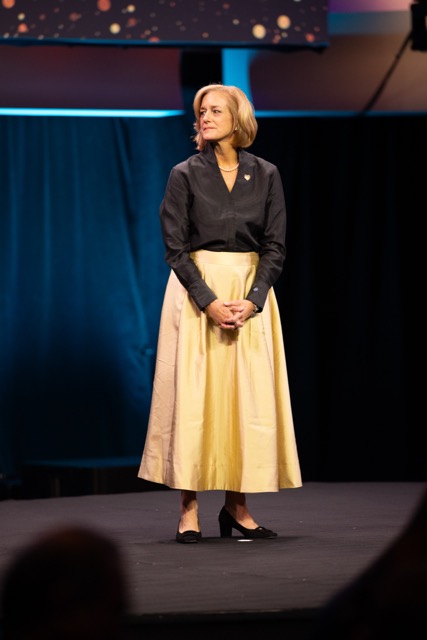
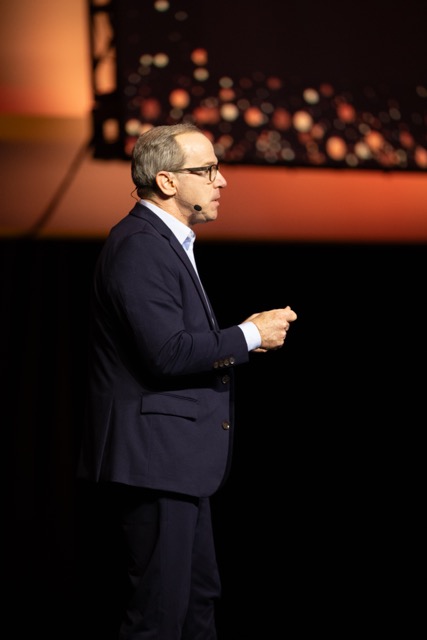
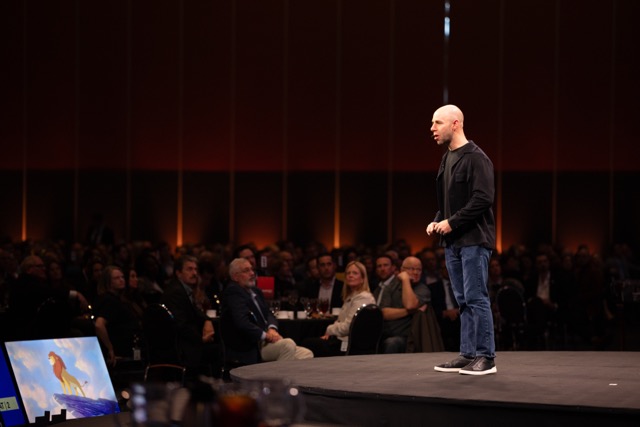
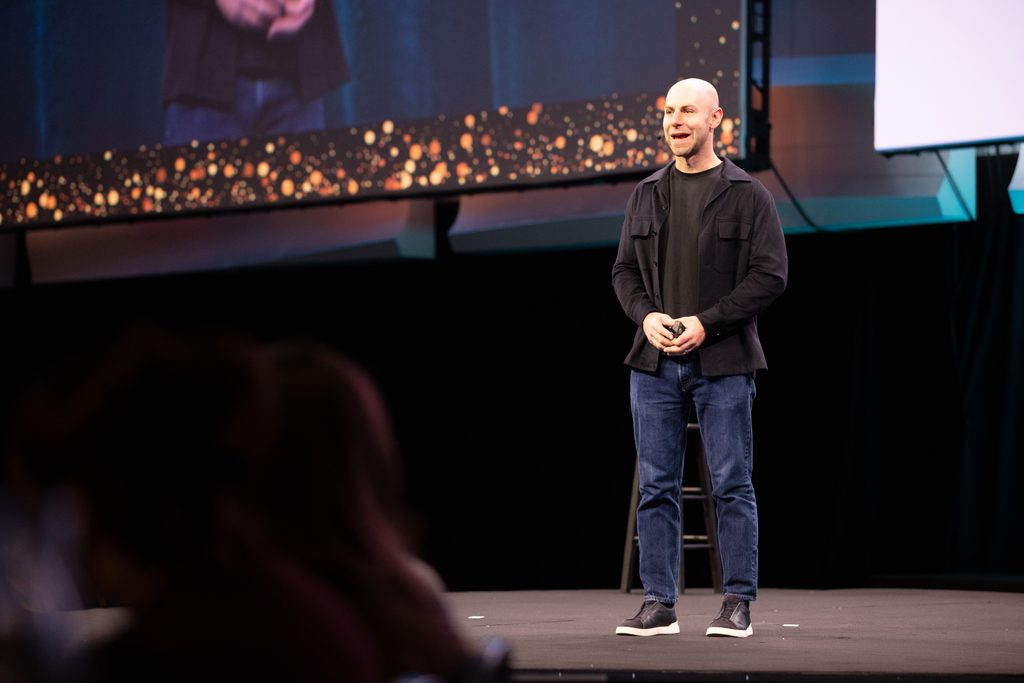
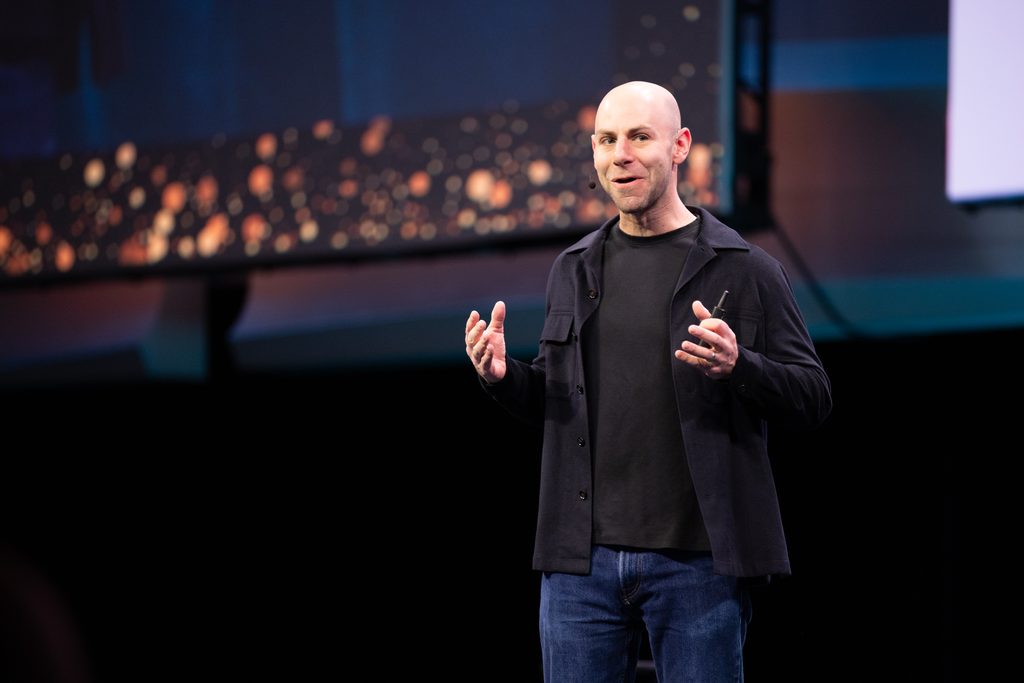
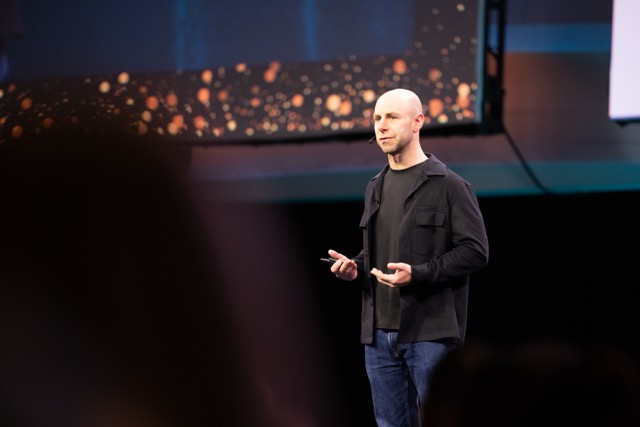
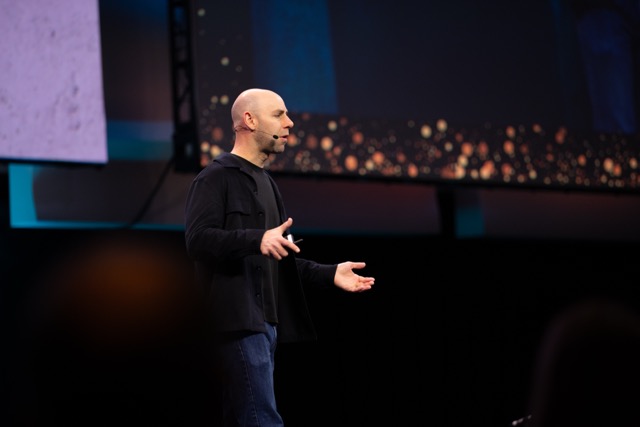
Trust was also the focus of keynote speaker and Kansas City Royals broadcaster Joel Goldberg, who drew lessons from nearly two decades traveling with the team. “The business of people is the business of trust,” Goldberg told attendees.

His framework—build trust gradually, strengthen it by making life easier and anchor it by making interactions meaningful—also carried a message for an industry rapidly adopting AI and automation. “I’m a firm believer in embracing the technology, but we can’t let go of the personal relationships,” Goldberg said. “The relationship piece still is the heart of it all.”

Production animal draws new attention

Innovation may also be poised to accelerate in livestock and production animal health, where challenges around labor, disease detection, productivity and efficiency are creating opportunities for new approaches—and investment.

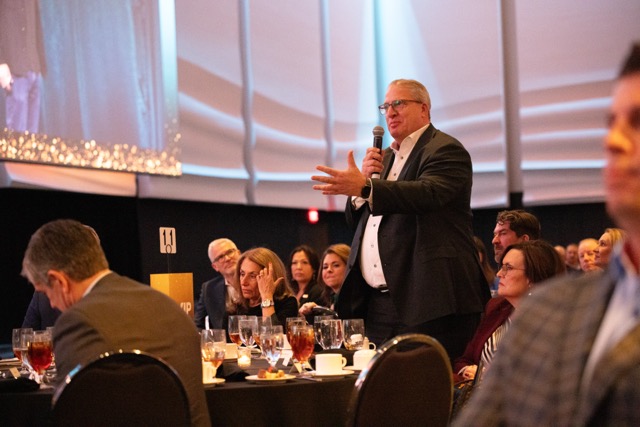
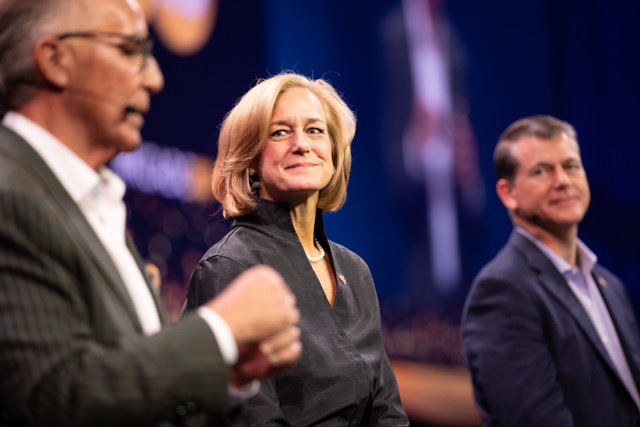
During the Summit’s investor Q&A panel, Eric Moore, managing director of DW Healthcare Partners, described production animal health as one of the most interesting areas for private equity today, citing a market that is not yet overcrowded with solutions while increasing numbers of innovators turn their attention to its unmet needs.

In fact, a production animal startup drew the Summit’s Emerging Companies Innovation Award, presented to ProtonDx for Dragonfly, an on-farm molecular diagnostic platform being launched with an initial focus on PRRSV surveillance in swine. The company said its process takes approximately 40 minutes from sample preparation to result, using a simple field-based system that enables faster surveillance at the farm level. The same underlying technology could ultimately support additional livestock and food-safety applications.

The 2026 Summit also recognized industry achievement and community service:

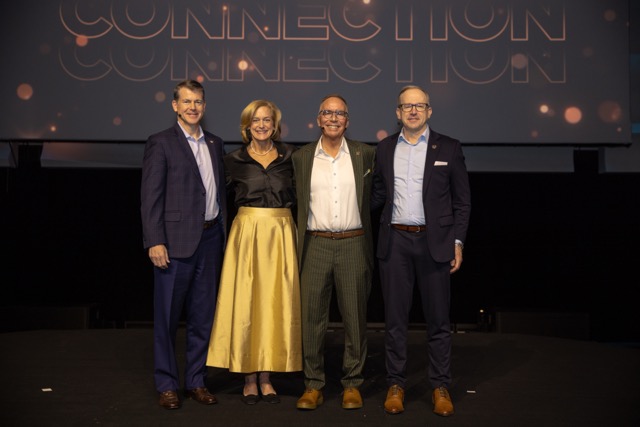
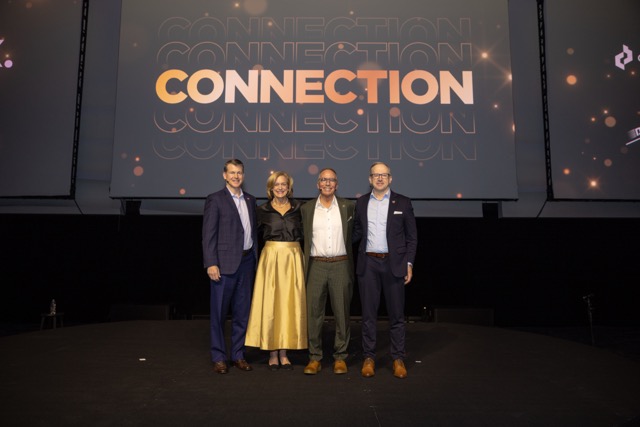
  • Iron Paw Award: Richard R. DeLuca Jr., executive vice president and president, Merck Animal Health
  • Spirit of Service Award: War Horses for Veterans. 

The Animal Health Summit, organized by the KC Animal Health Corridor, is held annually in Kansas City. Next year’s event is scheduled for August 30-31, 2027.  

ABOUT THE KC ANIMAL HEALTH CORRIDOR 

Companies with a business location in the KC Animal Health Corridor account for more than half of the sales generated by the global animal health industry. The Corridor, anchored by Manhattan, Kansas, and Columbia, Missouri, is home to more than 300 animal health companies, representing the largest concentration in the world. For more information, visit www.kcanimalhealth.com. 

Media Contact:

Kristi Fender

kristi.fender@stephens-adv.com

913.396.1938

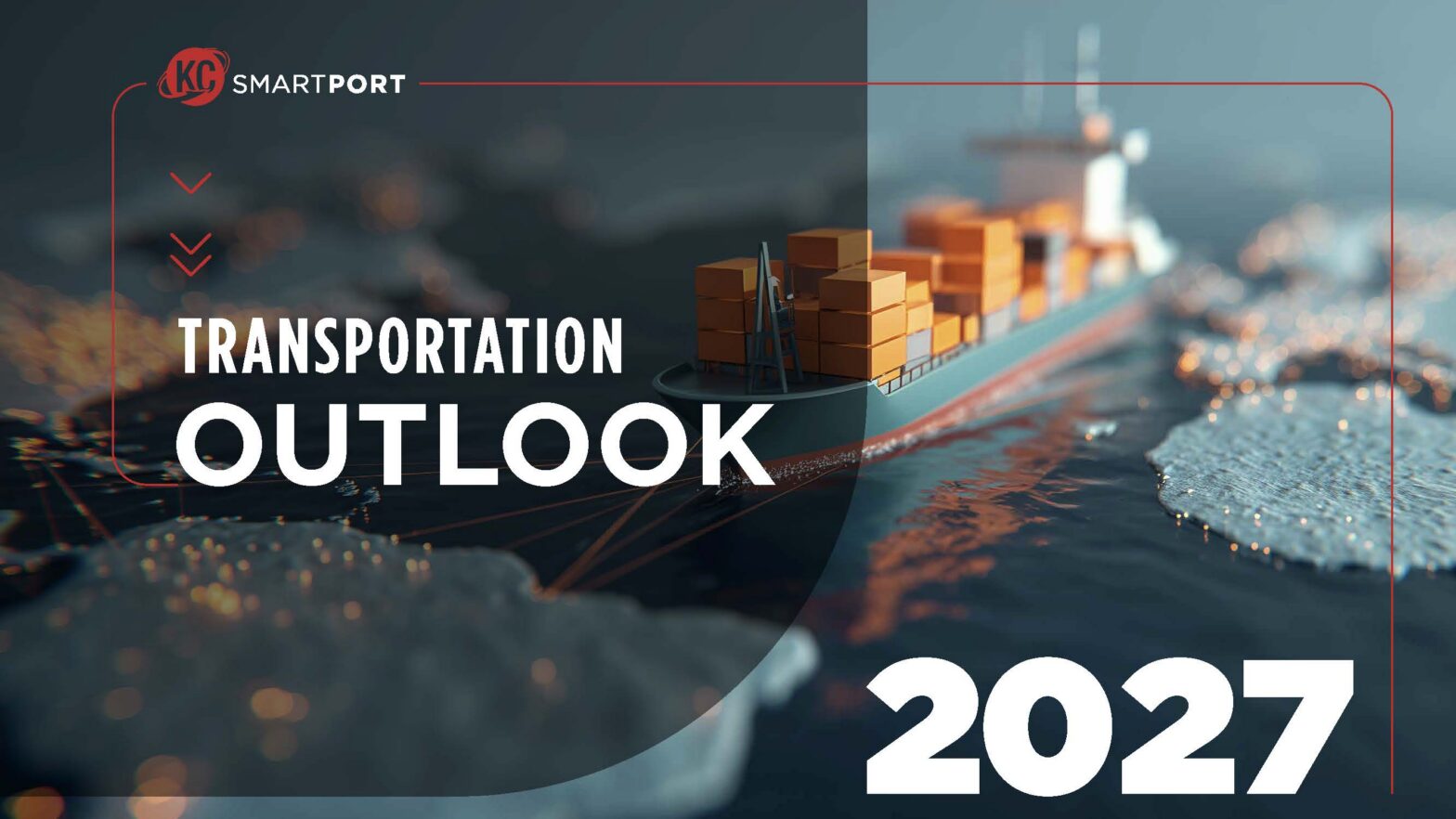
Building the Platform, Catching the Wave: The 2027 KC SmartPort Transportation Outlook

by Ayden Ammann | Intern, KC SmartPort

The transportation industry is entering one of its most consequential periods of change in history. In 2027, three forces will converge to reshape the movement of goods and people: decarbonization mandates, major investments in infrastructure modernization and the accelerating demand for autonomous and electric technology across all transportation networks.

Combined, these shifts are not incremental — they are redefining the competitive landscape for cities, regions and industries.

Advantageously positioned in the center of the continent, Kansas City delivers access to the largest navigable inland waterway, a new state-of-the-art airport, significant highway infrastructure and four Class I railroads. Kansas City is not simply responding to these trends; it is built for them.

This report examines significant changes across major modes of transportation and what those changes mean for economic competitiveness in the years to come.

Water Transportation | A New Era For Inland Shipping

The maritime industry is currently undergoing one of the most significant shifts in water transport history.

The International Maritime Organization (IMO) is pursuing a net-zero emission goal by 2050. A fleet of 90,000 vessels altogether emits roughly 20 million tons of sulfur dioxide and consume 370 million metric tons of fuel annually; the offset from this net-zero achievement would be significant.

Simultaneously, the electric ship market grew by $4.9 billion in 2024, with projected growth of $22.73 billion by 2034. Europe currently leads the electric maritime market share globally at 55%. 

Missouri’s central positioning with inland waterway access is growing in strategic weight as shippers aim to get closer to their end customers. According to the Missouri Department of Transportation, Missouri has access to over 1,000 miles of the Missouri and Mississippi rivers — more than the length of Interstates 44, 55 and 70 combined.

The Missouri and Mississippi rivers move more than 500 million tons of goods annually, the equivalent of 19 million trucks moving on the nation’s highways. When IMO carbon emissions prices start to change how shippers calculate logistics costs globally, the river access will turn from a legacy asset to a competitive edge.

Kansas City is not passively waiting for that advantage to materialize. The region is investing to capture it.

The Missouri River Terminal (MRT) project is backed by $30 million in state funding, along with an additional $1.2 million awarded to Port KC by the U.S. Department of Transportation for early planning and development. Modeled after Port Duisburg, Europe’s largest inland port, MRT aims to create a transformational intermodal hub connecting river, rail and highway freight at a large scale. Work is currently underway on environmental mitigation, permitting and Phase I site assessment.

On the technology side, autonomous ships operate across four levels, ranging from human-assisted navigation to fully self-directed operations. But autonomous doesn’t mean crewless or unregulated. This shift creates a need for a different kind of workforce: remote operators, systems engineers, data analysts and compliance officers.

For Kansas City, an opportunity exists in pairing the physical platform MRT provides with the workforce development needed to operate it. The regions that move both infrastructure and talent forward at once are the ones that lead.

Air Transportation | New Airport & Workforce to Support Growth In KC

The aviation industry is navigating the challenge of balancing industry ambitions with current realities across transportation modes in 2027.

The aviation industry contributes to around 2.5% of CO2 emissions globally. While industry targets call for sustainable aviation fuel (SAF) to make up around 10% of total fuel use by 2030, current adoption is sitting below 1%. The International Air Transport Association (IATA) says SAF production doubled in 2025, reaching 1.9 million tons, but this is still not nearly enough fuel supply to meet the 10% goal. Operators are responding through fuel management tools that optimize payload-range trade-offs and route forecasting, while new facilities like Avina Synthetic’s production plant aim to develop the first on-airport production facility in the U.S.

Aviation’s 2027 moment is also defined by converging investment and innovation in its infrastructure and technology. The industry posted near-record revenue, approaching $1 trillion in 2025, with 5% annual traffic growth and approximately 3% air freight growth driven by AI investment and e-commerce demand.

The Federal Aviation Administration (FAA) is funding $12 billion toward a full overhaul of the country’s air traffic control system and is targeting 8,900 new air traffic controllers by 2028. Advanced Air Mobility (AAM) — with technologies like electric vertical takeoff and landing aircraft and autonomous drones — is developing in parallel, working within existing flight safety and air traffic systems while building the infrastructure needed to support new aviation applications, including cargo and supply chain use cases.

Kansas City couldn’t be better positioned for these shifts. The region is among the most biofuel feedstock-rich areas in the country, with strong logistics and agricultural legacy that position it as a natural candidate for SAF for supply chain development.

Kansas City International Airport (MCI)’s new $1.5 billion LEED Gold terminal supports 12 million passengers annually and serves 47 nonstop markets through 50 gates. Downtown, a $55 million airport development — including expanded hangar capacity and a growing Red Tail Academy workforce pipeline — is underway and set for completion mid-2027, positioning the region to supply a trained aviation workforce at a time when the industry needs it the most.

Road Transportation | Industry & Greenhouse Gas Phases In Action

Unlike other modes of transportation, road transportation in 2027 is simultaneously shaped by emission regulations, infrastructure investment and autonomous technological convergence.

As noted by the Environmental Protection Agency (EPA) and state regulators, net-zero emissions standards are no longer a future goal for businesses in this sector but a present reality. Companies are beginning to take note of high-emission machinery such as heavy-diesel trucks, which are a primary source of nitrogen oxide pollution in the transportation industry, and have faced an 80% nitrogen oxide reduction requirement in 2025. The EPA’s Phase 3 of reducing greenhouse gas standards for heavy-duty vehicles, taking effect from 2027 through 2032, pushes industry decisively toward electric and hydrogen fuel cell vehicles. 

The U.S. is currently navigating infrastructure investment challenges. Truck charging availability is a leading obstacle, with fewer than 100 public charging stations and zero public hydrogen fueling stations as of 2024.

The industry has developed a four-phase response to this shortage:

  • Phase 1: Establishing priority hubs (2024-2027)
  • Phase 2: Connecting priority hubs along critical freight corridors (2027-2030)
  • Phase 3: Expanding the network (2030-2035)
  • Phase 4: Achieving national zero-emission coverage by 2040

The Department of Energy’s $7 billion hydrogen hub investment is set to begin in Phase 2.

Missouri has received $98.9 million in National Electric Vehicle Infrastructure (NEVI) Formula Program funds, and Kansas has restarted its Charge Up program, both aimed at building EV charging infrastructure along I-70 and I-35. The Kansas City region enters Phase 2 with a strong infrastructure base — Evergy’s existing 1,000 charging ports — providing a foundation for extending distribution center fast charging of commercial trucks. 

Autonomous vehicle technology is increasingly centered on improving safety across the freight industry. According to Kodiak AI, from 2021 to 2023, more than 85% of truck crashes in the U.S. were caused by human error; large truck crashes led to more than 15,000 deaths in the U.S.

The national trucking industry is projected to face a shortage of roughly 175,000 drivers by 2028. Autonomous systems can help address that labor shortage while raising safety to a higher standard. Physical infrastructure is well-structured to help support this technological shift nationally. The Self-Drive Act requires enhanced federal safety standards for autonomous vehicles by September 30, 2027.

With four major highways — I-29, I-35, I-49 and I-70 — Kansas City has 30% more interstate miles per capita than any other U.S. metro, positioning the region at the center of the autonomous freight conversation. The I-70 corridor is already being used to prove that autonomous trucking works, and companies across the region are advancing cutting-edge innovations that support the technology. 

Rail Transportation | KC Sits At Top of U.S. Metros With Four Class 1 Railroads

Rail enters 2027 with more complex decarbonization challenges than the rest of the transportation industry.

Voluntary corporate commitments are being set for Class I railroads to hit net-zero emissions by 2050. This will be exceedingly difficult to accomplish, as a full locomotive fleet transition is expected to take 15 or more years, compared to three to five years for commercial trucking. That timeline gap could leave rail behind in terms of sustainability as aviation, shipping and road freight accelerate their own emission reductions.

Moving freight from truck to rail already carries an emissions advantage, cutting greenhouse gas output by up to 75% for the same cargo. Trading 25% of long-haul trucks with rail would reduce emissions by 13.1 million tons, which removes 2.8 million cars off the road each year. Rail is three to four times more fuel efficient than trucking — a single gallon of diesel can move freight roughly 500 miles by rail, compared to roughly 125 to 165 miles by truck.

Rail’s next generation of decarbonization efforts should focus on hydrogen fuel cells, battery-electric locomotives and alternative fuel blends. This will establish a strong foundation to keep pace with other transportation modes working toward net-zero.

The American Society of Civil Engineers (ASCE) grade for the nation’s rail infrastructure fell from a “B” to a “B-“ in 2025, compounding a sense of urgency. Federal financing tools like the Transportation Infrastructure Finance and Innovation Act (TIFIA) are helping fund public and private improvements that would otherwise be cost-prohibitive. Investment in regional rail networks benefits communities by reducing supply chain friction and connecting smaller markets to larger economic hubs.

On the technology side, autonomous rail is seeing positive advancement. Autonomous trains are already operational in controlled environments globally — airport connectors and dedicated metro systems, for instance. Rail is working to develop AI-driven sensors and decision-making systems needed to navigate the complexity of the national freight networks. The workforce conversation around autonomous rail isn’t about reducing headcount — it’s about expanding rail efficiency, capacity and the jobs that come with transformation. 

Kansas City sits near the top of U.S. metros with four Class I railroads and serves as a natural convergence point for North America’s rail network. As autonomous technology drives efficiency and capacity forward, Kansas City stands to benefit directly from those efficiency gains. The challenge is keeping up with infrastructure changes and keeping pace with the workforce pipeline, so that more autonomous rail networks could help create a positive influence moving forward.

Forecast: Kansas City in 2027 | What Sets KC Apart

Kansas City’s geography is quietly becoming one of its most valuable economic assets as decarbonization mandates tighten globally.

Coastal cities are scrambling to retrofit aging port infrastructure for low-carbon freight and investing in aviation hubs to secure SAF supply chains. Kansas City, by contrast, sits at the center of some of the most productive biofuel feedstock territory in the country, with access to a river network that moves freight at a fraction of the carbon cost of highway transport. Kansas City can get ahead of the tightening regulatory environment — the opportunity is to claim its position deliberately before other Midwest cities recognize the same advantage and move first.

The cities benefiting most from the current wave of transportation infrastructure investment aren’t necessarily the largest; they’re the ones that built capacity ahead of demand.

Kansas City has done exactly that across multiple transportation modes simultaneously, and 2027 is when that timing will pay off. What sets KC apart from peer metros isn’t any single project, but the convergence of investments across water, air, road and rail happening at the same time. That includes MRT advancement, a downtown airport expansion, fully operational logistics parks along I-70 and I-35 and a rail network that continues to anchor national freight connectivity.

Many cities are making targeted infrastructure bets in one or two modes. Kansas City is positioned across all four, with a multimodal depth that becomes increasingly rare and valuable as national freight volumes grow and supply chain resilience moves to the top of every logistics company’s priority list.

The cities leading in autonomous and electric transportation in 2027 share one common trait: they said yes early.

Successful metros have welcomed pilots, partnered with technology companies and built the regulatory and physical environment that made their corridors attractive for innovative investment.

Kansas City has a meaningful opportunity to follow that model on its own terms. Rail is exploring further opportunities in autonomous transitions to increase supply chain efficiency while moving industrial goods. The I-70 corridor is already being used to prove that autonomous trucking works. Overland Park-based Ryan Transportation made history as the broker on America’s first humanless commercial truckload delivery in April 2026. The next step is to position KC as the Midwest’s preferred destination for autonomous freight investment and electric fleet infrastructure, rather than waiting for that designation to arrive on its own.

Will KC Take the Next Step? | The future of transportation isn’t on the horizon — it’s here.

Decarbonization mandates are transitioning from voluntary commitments to legal requirements across every mode, infrastructure investment is determining which cities are ready for the next generation of freight and passenger demand, and autonomous and electric technology is no longer a future concept but a current reality.

The transportation industry will continue to evolve well beyond 2027, and decisions cities, businesses and policymakers make in the near future will help shape the nation for years to come.

The platform is built, and the wave is arriving. The question for Kansas City in 2027 isn’t whether the opportunity is real; it’s whether the region moves boldly enough to claim it. 
The KC Advantage: 15 Reasons KC is a Top 15 U.S. Industrial Market

The Kansas City region didn’t become a top 15 U.S. industrial market by accident. It earned its status through decades of strategic growth, intentional investment and a foundation of unmatched connectivity. 

  1. Kansas City enables distribution to 90% of the contiguous U.S. within two days or less by truck.
  2. Four major interstate highways intersect in Kansas City — supported by 30% more interstate miles per capita than any major U.S. metro.
  3. As the largest rail hub in the U.S. by tonnage, Kansas City serves as a critical link in North American freight movement.
  4. The region’s multimodal advantage is strengthened by four Class I rail lines and four intermodal parks.
  5. Kansas City’s location along the largest navigable inland waterway in the U.S. adds a powerful, cost-effective freight option.
  6. KC’s two-state region creates a competitive incentive environment, with a strong mix of state and local programs that offers businesses lower costs and speed-to-market. 
  7. A state-of-the-art terminal at Kansas City International Airport handles more cargo than any other airport in a six-state region.
  8. Kansas City ranked 7th in the U.S. for industrial net absorption in 2025.
  9. Kansas City ranked as a top 15 U.S. city for foreign multinationals to do business.
  10. KC ranks in the top 10 markets for industrial pre-leasing activity, showing confidence in future development.
  11. Nearly 200,000 people are employed in manufacturing and logistics across the region.
  12. More than 1,400 architectural, engineering and construction firms call KC home.
  13. KC Foreign Trade Zones move $2 billion in goods annually, positioning regional operators for more efficient, cost-effective supply chain operations.
  14. 30+ institutions and dozens of industry-aligned training programs work together on tailored solutions that fuel KC’s industrial workforce pipeline.
  15. Kansas City consistently ranks among the most affordable major metros for industrial real estate, labor and operating costs.

Want to learn more about why you should invest in KC? See about why KC stands out.

What Actually Makes an Internship Meaningful?

Kansas City intern programs are gearing up for an intern season unlike any other. Ranked a Top 10 city for Gen Z and recent grads in 2025, talent have their sights set on KC opportunities. With higher demand for internships in Kansas City and more than 650 thousand people expected to visit the region this summer, internship programs are undergoing a real-time stress test. 

Here’s the exciting part: program leaders are getting creative and rising to the challenge, and the TeamKC network is here to support.

Across TeamKC conversations, one question keeps surfacing: what actually makes an internship meaningful? The answer isn’t one-size-fits-all — and this summer, that’s more clear than ever.

Approaches are diverging. Some organizations are embracing flexibility, offering remote options and tailoring start and end dates to meet both business and intern needs. Others are holding steady with structured, business-as-usual programs, betting on consistency to best serve their interns.

But regardless of approach, there’s a shared shift underway. With 46% of hiring managers saying that internships are the leading way for students to gain early-career skills, employers are redefining what a “meaningful experience” really looks like — and it’s becoming far more intentional.

We’re seeing programs:

  • Design internships to mirror full-time roles as closely as possible
  • Prioritize hands-on, project-based work
  • Expand training and professional development opportunities
  • Focus on select schools to recruit from, and get creative with their on-campus presence
  • Secure housing as early as the summer before for the next intern class
  • Introduce simulated application and interview experiences to better prepare interns for what’s next 
  • Organize fewer, more intentional events outside of business responsibilities

As leaders reframe the goals of their programs, internship success is increasingly defined by full-time conversion.

Employers are building year-round talent pipelines, not just summer programs. That looks like:

  • Maintaining relationships with past interns through newsletters and ongoing communication
  • Encouraging multi-year experiences 
  • Providing curated guides to local opportunities (Pro tip: 83% of 2025 interns shared that the KC 101 program helped them explore the KC region in ways they wouldn’t have otherwise!)

This summer is more than another internship cycle; it’s a proving ground.

As Kansas City employers test new approaches, refine what meaningful experience really looks like and build more intentional pathways to full-time talent, they’re doing more than adapting to the moment. They’re shaping what internship programs will become, here in KC and well beyond.

TeamKC is here to help your interns create meaningful connections in KC. 98% of 2025 interns said they would recommend KC 101 to future interns! Don’t miss out — get plugged into KC 101 Programming.

Creating Talent Strategy M.A.G.I.C. | TeamKC Training Camp 2026

Part strategy session and part pep rally, this year’s Training Camp brought fresh workforce insights, practical tools and plenty of connection.

The takeaway? In today’s talent market, the organizations that win will be the ones that make genuine connections with people first.

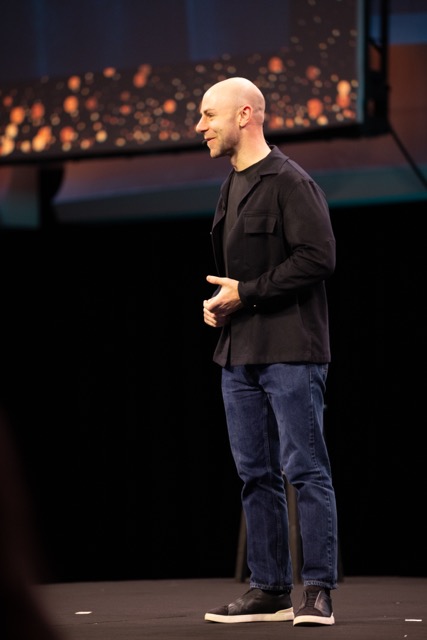
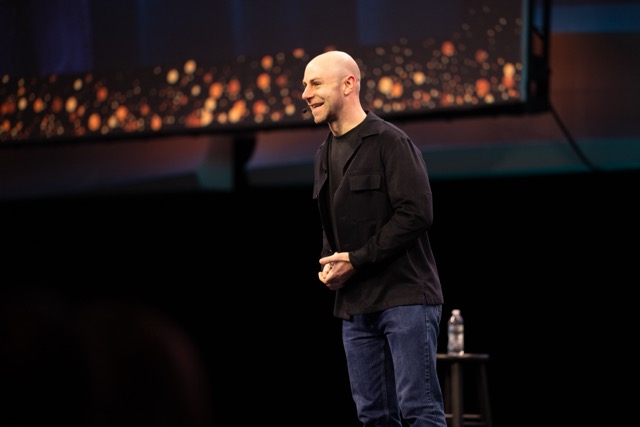
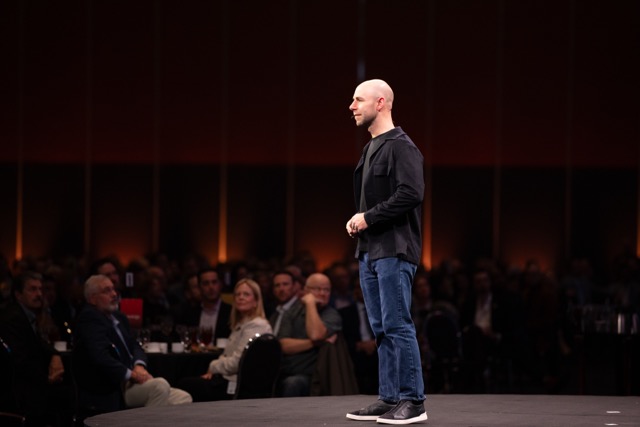
Man talks from stage.

Building Trust in Changing Times

One of the day’s standout conversations came from Royals sportscaster and leadership speaker Joel Goldberg, who drew on years covering both rookie phenoms and veteran stars like Salvador Pérez to explore how leaders can earn trust in a constantly changing workplace.

Meeting emerging talent — especially Gen Z — where they are, he said, means understanding their language (“org” vs organization), expectations and mentorship needs. Trust isn’t automatic; it comes when leaders show they are committed to growing alongside their team.

Four women sit in chairs on a stage, speaking out to an audience.

Demystifying Workforce Initiatives

Training Camp 2026 also highlighted several incredible workforce programs already shaping KC’s talent pipeline. Moderator Katy Hamilton with the Ewing Marion Kauffman Foundation led a panel with leaders from KC Tech Council, KU Edwards Campus and Great Jobs KC, showing employers how to engage confidently and meaningfully.

The key theme? Workforce development can be complex, but it’s easy to connect. Reach out. Plug in. Develop the talent your org needs.

Woman opens an amazon package from stage to fins a refrigerator lazy suzan. Woman sstands next to her with a microphone laughing.

Hiring Needs More Surprise (Yes, Really)

Best-selling author and innovation expert Diana Kander brought a different kind of energy to the stage — challenging employers to rethink how hiring actually feels from a candidate’s perspective.

Her message: most hiring processes are predictable, transactional and overly focused on resumes instead of people.

She shared her hiring framework, M.A.G.I.C. (IYKYK) — a formula centered on identifying traits that predict long-term success rather than short-term fit. Kander encouraged employers to design hiring experiences that reveal personality and see candidates as humans first, not just professionals.
New Tools to Help Win Talent

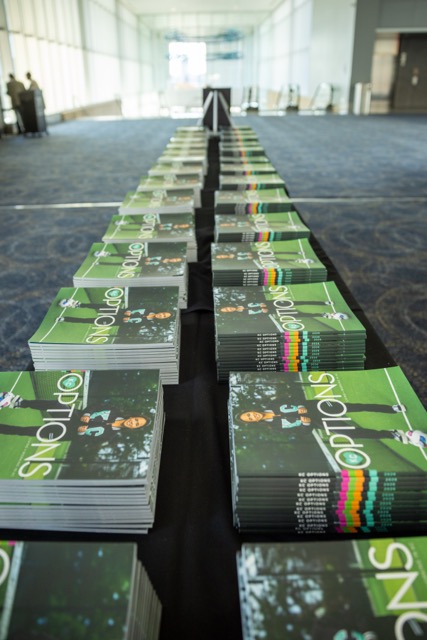
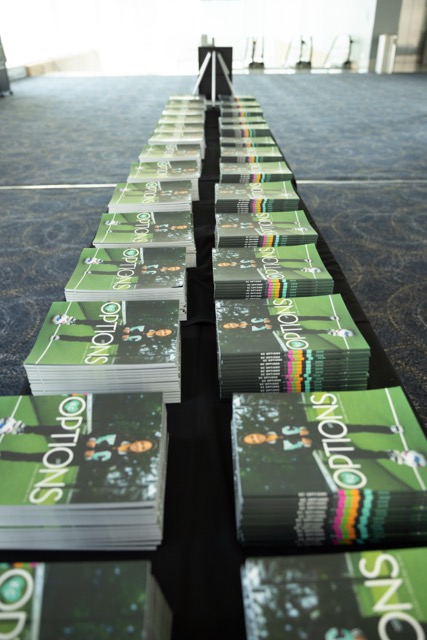
Beyond inspiration, Training Camp delivered practical resources that employers can use immediately, including the Scouting Report, KC Options and video tools. A fresh, investor-exclusive Relocation Guide was also announced, providing talent with everything they need to jump-start life in KC.

The expanded suite of recruiting tools is designed to support the entire talent journey — from first impression to long-term retention.

A group pose for a photo with an award held by the man in the middle.

Celebrating a Connector

The KC Streetcar Authority was honored with the 2026 TeamKC MVP Award, recognizing its transformational role in connecting people, neighborhoods and opportunity across the region.

More than transportation, the streetcar represents the kind of urban experience today’s workforce increasingly values when choosing where to live and work.

The Big Takeaway: Talent Is Human Work

Orgs that succeed go beyond posting jobs — they build trust, create meaningful candidate experiences and understand the humans behind the resumes.

And after Training Camp 2026, it’s clear Kansas City’s talent community is making the M.A.G.I.C. happen.

Ready to engage with TeamKC to level up your talent game? Contact us.

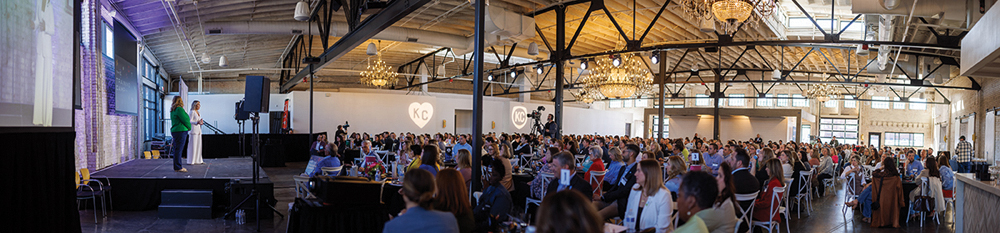
Wide shot of two women on stage addressing hundreds of seated attendees in a large, chic industrial event space

Women Community

Women Community

Kansas City is home to a very supportive community of empowered women. We hope you feel at home here and encourage you to explore these available resources, amenities and opportunities.

Community Connections

Central Exchange Emerging Leaders Program
Join high-potential women for a year-long course focused on empowerment through actionable education.

United WE Appointments
Project A resource for women that provides training and can advocate their behalf when applying to public boards, commissions, task forces and/or committees.

Centurions Leadership Program
The program prepares a representative cross section of the community’s emerging leaders for their role in shaping the future of KC.

OneKC for Women
An alliance of the Women’s Employment Network, Women’s Business Center, Women’s Capital Connection and Women Lead Initiative.

Women of Color Leadership Conference
An annual conference from UMKC that seeks to provide an environment for, by and about women of color that promotes equity, education and professional development.
Local Organizations​

Want to keep exploring?

Vietnamese Community

Vietnamese Community

Kansas City is home to a very supportive Vietnamese community. We hope you feel at home here and encourage you to explore these available resources, amenities and opportunities.
People
0

in KC’s Vietnamese community, including 4,523 who identify as being native to Vietnam. Source: U.S. Census, 2023

Check out this map to find the most populous Vietnamese areas in the KC region.

Taste of Home

Cafe Cà Phê
More than just a delicious coffee shop, the team behind Cafe Cà Phê is deeply committed to promoting Asian American representation and inclusion.

Pho & Banh Mi Co
Authentic Vietnamese Pho and Banh Mi in north KC.

Xugen Vietnamese Cafe
Restaurant and market with authentic food, tea and coffee offerings.

Vietnam Cafe
Casual, pint-size institution serving up hefty portions of pho and other Vietnamese specialties.

Hung Vuong Market
The go-to spot for hard-to-find authentic Vietnamese grocery items, located in the River Market.
888 International Market
You’ll find a dizzying array of grocery staples, baked goods, both locally grown and imported produce, fresh seafood, fish and more

Little Saigon Plaza
Located in north KC, Little Saigon Plaza is a hub for a variety of Vietnamese restaurants, groceries and more.

Local Organizations

Want to keep exploring?

Veteran Community

Veteran Community

Kansas City is home to a very supportive Veteran community. We hope you feel at home here and encourage you to explore these available resources, amenities and opportunities.

Veterans call the KC region home.
0

Community Connections

VFW
There are 49 local posts to help foster camaraderie among Veterans of overseas conflicts and serve Veterans, the military and our communities.

American Legion
There are 44 local posts committed to mentoring youth and sponsorship of wholesome programs in communities, advocating patriotism and honor, strong national security, and continued devotion to fellow service members and Veterans.

Veterans Community Project
Dedicated to supporting every man and woman who took the country’s oath, VCP is determined to make a difference in the lives of homeless Veterans by building a specialized community of tiny homes and on-site services, providing housing stability and address the underlying cause of the Veteran’s homelessness.

St. Michael’s Veteran Center
Professional staff are available to assist Veterans and their families in finding and maintaining permanent housing and support services.

Veteran Affairs Resources
Kansas City is home to an array of VA medical centers and outpatient clinics in both Kansas and Missouri.

Local Resources

Want to keep exploring?

Polynesian Community

Polynesian Community

Kansas City is home to a very supportive Polynesian community. We hope you feel at home here and encourage you to explore these available resources, amenities and opportunities.

People
0

in the region, identify as Native Hawaiian or Other Pacific Islander. Source: U.S. Census, ACS 2023

Taste of Home

888 International Market
You’ll find a dizzying array of grocery staples, baked goods, both locally grown and imported produce, fresh seafood, fish and more.

HITIDES Coffee
A Hawaiian-inspired coffee shop in Kansas City’s Crossroads Arts District, offering specialty lattes, tropical drinks, Dole Whip and treats from local favorites including Donutology and Meshuggah Bagels.

Kontiki
A mid-century modern tiki lounge located in Kansas City’s Crossroads Arts District that offers a tropical escape with exotic cocktails, vibrant décor and a lively atmosphere.

Longboards Wraps & Bowls
A local eatery serving fresh wraps and bowls with bold Pacific flavors. Known for customizable, vibrant dishes, they bring the taste of the islands to Kansas City with a laid-back atmosphere.

Pan-Asia Market
Kansas City Find 10,000+ Asian products, meats, seafood, fruits, vegetables and more.

Uce Kitchen
A family-owned food trailer and catering service offering authentic Hawaiian and Samoan comfort food, including hearty plate lunches and island-style sides, at local events and private gatherings across the Kansas City metro.

Festivals & Celebrations

Lei Away Festival
A tropical-themed weekend event in Kansas City that supports and represents the Polynesian community every September. It features local Polynesian makers, musicians, dancers and food vendors.

Taste of AAPI Food & Cultural Festival
A vibrant food and cultural festival held in May. celebrating the rich heritage of Asian American and Pacific Islander communities through authentic cuisine, live performances and family-friendly activities.

AANHPI Heritage Festival
A vibrant celebration hosted by Hella Good Deeds, showcasing the rich tapestry of Asian American, Native Hawaiian and Pacific Islander cultures through food, performances and community engagement.

Ethnic Enrichment Festival
Held annually in August at Swope Park, this festival celebrates Kansas City’s diverse cultures, including Polynesian communities. It offers cultural booths, performances and cuisine from over 60 countries.

Feel at Home

Aloha Pumehana Polynesian Dancers of Kansas City
A local dance troupe specializing in traditional Polynesian performances, including hula and fire dancing. They perform at various events and festivals around the city.

Island Breeze Missouri
A nonprofit performing arts group that celebrates Polynesian and multicultural traditions through music, dance and storytelling. They offer performances and cultural education throughout the region.

Kona Winds Polynesian Entertainment
With over 50 years of experience, this Polynesian group brings the South Pacific to life with traditional music, dance and fire performances, offering an unforgettable cultural experience.

Polynesian Dancers for Hire
For events or private gatherings, you can hire professional Polynesian dancers through platforms like The Bash, which lists verified performers in the Kansas City area.

Missouri Polynesian Community
A vibrant, active Facebook group for Polynesians in Missouri to connect, celebrate their culture, share events and support one another.

Want to keep exploring?